Los Angeles County has launched a new effort to address high rates of homelessness and mental health issues among young people, particularly those who have grown up in its foster care and juvenile justice systems.
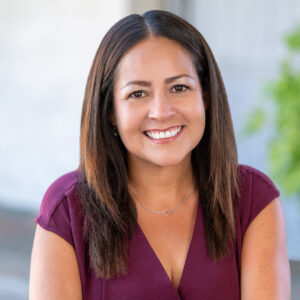
The new Office of Transition Age Youth opened late last year and is a division within the county’s Department of Mental Health. Overseen by psychologist Erica Reynoso, it connects those aged 16 to 25 and with serious mental health needs to therapeutic services as well as housing, education and career resources.
Among chronically homeless youth, 36% report having been in foster care. More than half of 18- to 25-year-old foster youth who were experiencing housing instability reported a serious mental health disorder.
The array of services coordinated by the Office of Transition Age Youth include emergency and transitional housing; access to substance use disorder specialists; and mental health clinicians.
In her 25-year career with L.A. County, Reynoso has worked as an in-home counselor for families in the child welfare system, provided therapy for young people in the county’s juvenile detention facilities, and developed services for sexually exploited youth.
She said the new Office of Transition Age Youth tries to connect young people to services before they end up homeless or in crisis. That involves engaging with them in nonjudgmental ways, hiring former foster youth as mental health workers and maintaining a focus on what wellness means for young adults.
“We really want to work upstream as much as possible and ensure that young people have what they need to prevent more intensive services,” Reynoso told The Imprint.
Mental health is a priority for many young adults, according to a recently released L.A. County Youth Commission survey that included many young adults who spent time in the foster care and youth justice system.
Many have had negative experiences with the county’s mental health system, Reynoso said. Some told her that the traditional “sit down on my couch and talk to me” kind of therapy doesn’t work for them. Others felt they grew up being forced to go to therapy, or not having an opportunity to choose the services that could help them.
When they finally have a choice in the matter after leaving government custody at 18 or 21, few want to go back for mental health support.
“It’s very understandable that especially system-impacted young people aren’t banging down our doors at community clinics to tell us, ‘I want mental health,’” Reynoso said.
“THE MAGIC IS REALLY STAFF THAT KNOW HOW TO GIVE THEM SPACE, AND TALK TO THEM WITHOUT JUDGMENT.”
— ERICA REYNOSO
Part of the way the office hopes to connect young people to services is its support of 10 young adult drop-in centers, which work with homeless youth or those who are at risk of ending up on the streets. Reynoso said the centers’ staff don’t try to pressure young people into accepting services. Instead, workers provide a meal, a shower, internet access or simply opportunities to play board games with peers.
“The magic is really staff that know how to give them space, and talk to them without judgment,” Reynoso said.
Later, young people feel comfortable enough to return to the center, she added, and a trusted staff member can walk them through how to find therapy or services related to trauma, without fear of an agenda or criticism.
Reynoso also said the new office hopes to bring on more peer advocates with lived experience to work alongside clinical workers through a new state program that allows young people to become community health workers after 300 hours of training and a certification test.
“Having just as many young people with lived experience alongside my mental health professional colleagues would be a game-changer,” Reynoso said.
“HAVING JUST AS MANY YOUNG PEOPLE WITH LIVED EXPERIENCE ALONGSIDE MY MENTAL HEALTH PROFESSIONAL COLLEAGUES WOULD BE A GAME-CHANGER.”
— ERICA REYNOSO
While the new office views clinical care as key to young people achieving stability, Reynoso said, it is also investing in a “holistic wellness” approach to their mental health— helping young people with their physical, financial and educational needs through offerings such as financial literacy training and free creativity workshops and art classes.
“If they don’t feel like they can sustain their housing or their lifestyle, you’re going to have unwell young people,” she said. “All these needs are woven together, and what we’re looking to do is to bring it all together to support their well-being.”