
When there’s nowhere else for foster children to go, some states are turning to a controversial option — incarceration.
That’s according to a report released last Thursday by Georgia Democratic Sen. Jon Ossoff and Virginia Rep. Jen Kiggans, a Republican. Since 2024, the lawmakers have investigated why children with special needs are spending prolonged periods of time in juvenile detention. A survey of facilities nationwide found that foster children “who have not been charged with any offense” had been jailed in at least four states.
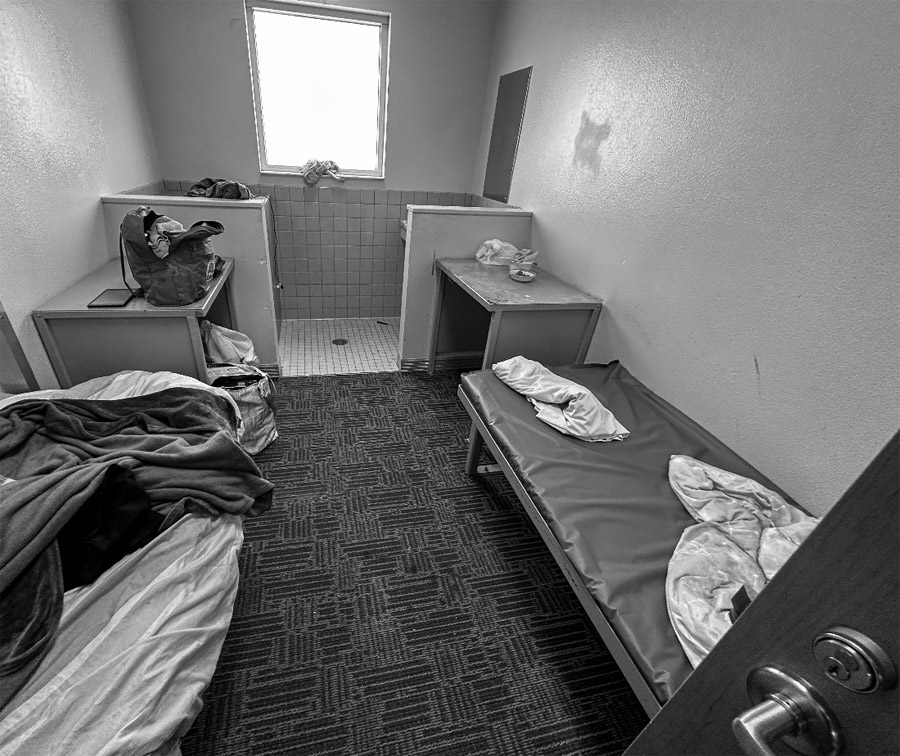
The report stated that these children are subjected to the same restrictive conditions as those who are incarcerated for alleged crimes, simply “because no other placements were available.” Ossoff did not immediately respond to The Imprint’s request for comment.
“It is unacceptable that children are being locked up instead of being placed in a home with caregivers that can provide a stable environment,” Ossoff said in a press release. “The findings of our bipartisan investigation should concern us all, and I will continue working in the Senate to expose the mistreatment of children.”
The lawmakers’ findings include survey results submitted by 157 juvenile detention centers, as well as summaries of news reports. In seven states, children who’ve been “removed from their homes for abuse or neglect” were detained because they couldn’t place them with a foster family, group home or other licensed foster care setting.
While the results bring renewed attention to the crisis, it’s been well-documented that foster children, particularly those with mental health challenges, are placed in these punitive settings.
One leading advocate for foster youth said the report should be seen as a civil rights concern, not just a “placement shortage” issue.
“It is the criminalization of children in foster care,” said Jennifer Rodriguez, executive director of the California-based Youth Law Center. “A detention center is not a placement option for a child in foster care. It is the most restrictive, least developmentally appropriate setting we have, and it can cause real harm — especially for adolescents and for youth with mental health needs or disabilities.”
Ossoff and Kiggans released the first batch of results of their nationwide survey this February. That report revealed that children with mental illness were being incarcerated solely to obtain treatment. Dozens of states also reported keeping kids who had been criminally charged locked up after they were eligible for release because they wouldn’t be able to access necessary treatment in the community.
The latest report focuses specifically on this happening to foster youth who are not accused of crimes.
A nationwide shortage of foster homes is exacerbating the problem, the report states. More than half of states reported a “significant” decline in licensed foster homes in recent years.
Wellroot Family Services, a Georgia foster care agency, has experienced the impact firsthand. The organization has seen a 60% drop in its network of licensed foster homes since 2021, said CEO Allison Ashe.
“We’re having a hard time recruiting foster parents right now — and then you think about recruiting foster families willing to go through the training and do the work to support a child with behavioral health needs, or who is coming out with juvenile detention,” Ashe said. “Foster care is not just about fostering the adorable 1-year-old. All kids need loving families, and we really need foster parents to step up.”
Ossoff and Kiggans’ report released last week does not identify any of the facilities detaining foster youth. One facility in the Southeast responding to their survey reported that a child with autism spectrum disorder was detained because there were no other placement options available for him after his guardian died.
Another facility in the Midwest reported that it held children “without charges when foster homes would not accept them because of the children’s mental health issues.”
The report is just seven pages long and includes no recommendations for how to prevent foster children from being sent to lockups. Ossoff and Kiggans did not respond to questions sent to their legislative offices about the report or whether they planned to introduce legislative fixes.
But Ashe believes lawmakers have a role to play.
“It is a systemic issue, and it’s going to take more than one department or one entity to solve it,” Ashe said. “I hope that Senator Ossoff and his team really look at what can be done at the federal level.”