
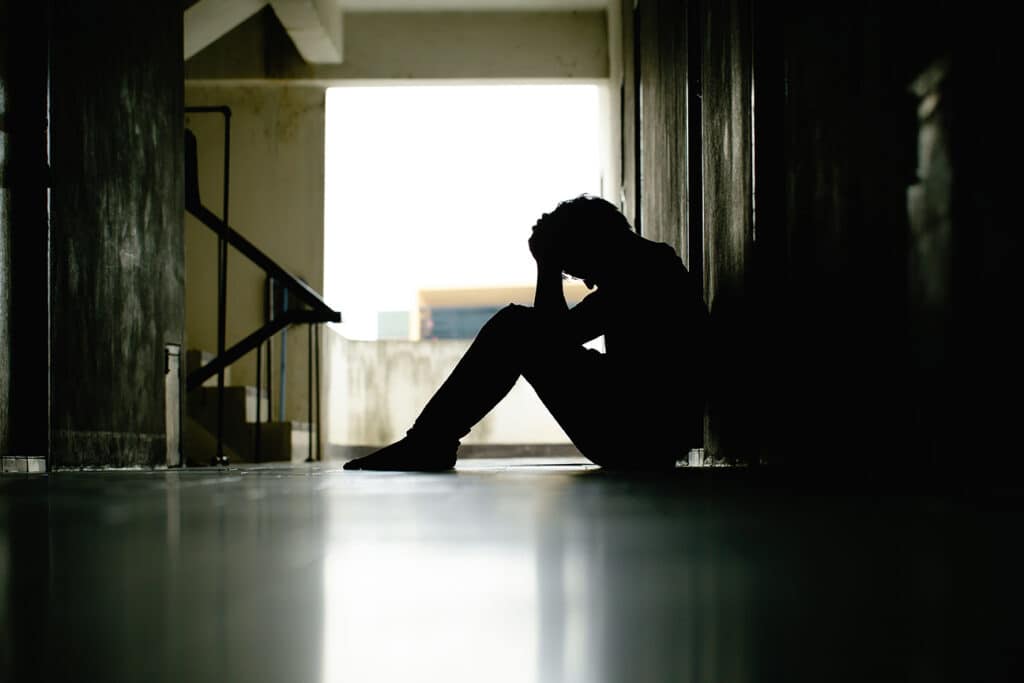
Across the country, children are being locked up in detention centers solely because of their mental health challenges, a new bipartisan congressional report has found. In some cases, they haven’t committed a crime.
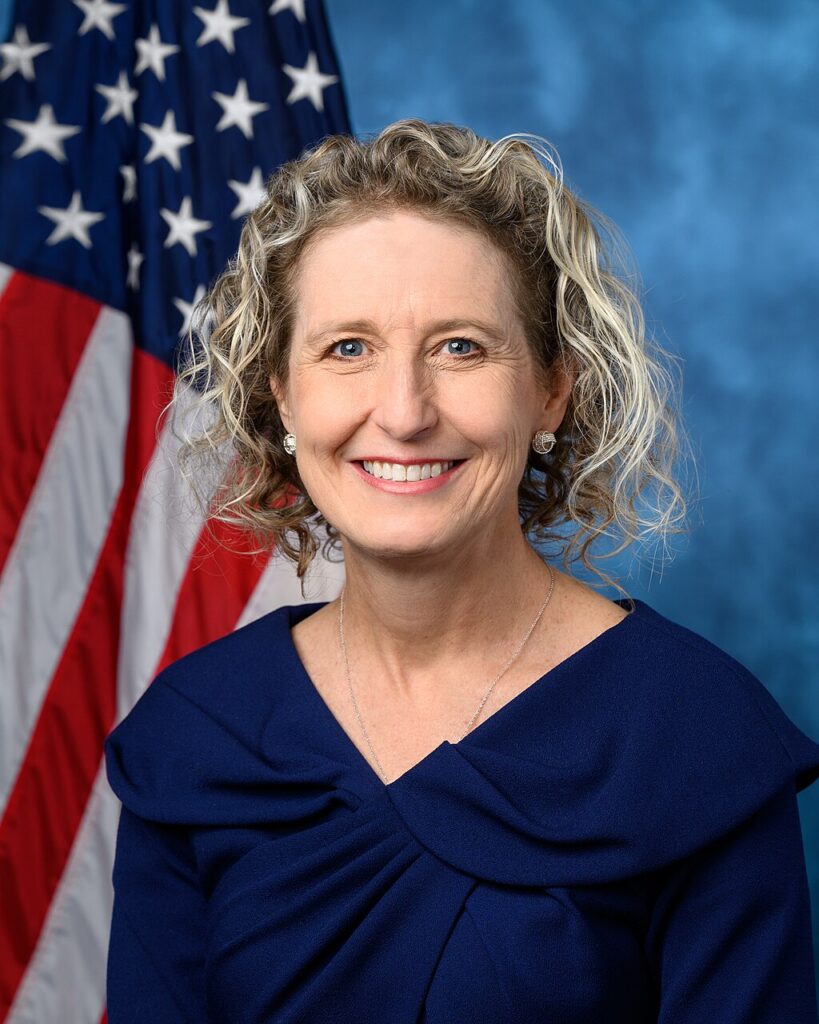
On Thursday, Democratic U.S. Sen. Jon Ossoff of Georgia and Rep. Jen Kiggans, a Republican from Virginia, released the results of a more than year-long investigation into the prolonged incarceration of children with mental health conditions. John Hopkins University and the National Partnership for Juvenile Services contributed.
In the nationwide survey of 157 juvenile detention centers, 75 of them across 25 states reported detaining children because outside mental health resources are limited to nonexistent. Centers reported being forced to wait weeks to months until children can access more appropriate care through in-home services or long-term psychiatric residential treatment.
More than half of these facilities reported incarcerating kids for at least one month. Some are detaining kids for a year or longer.
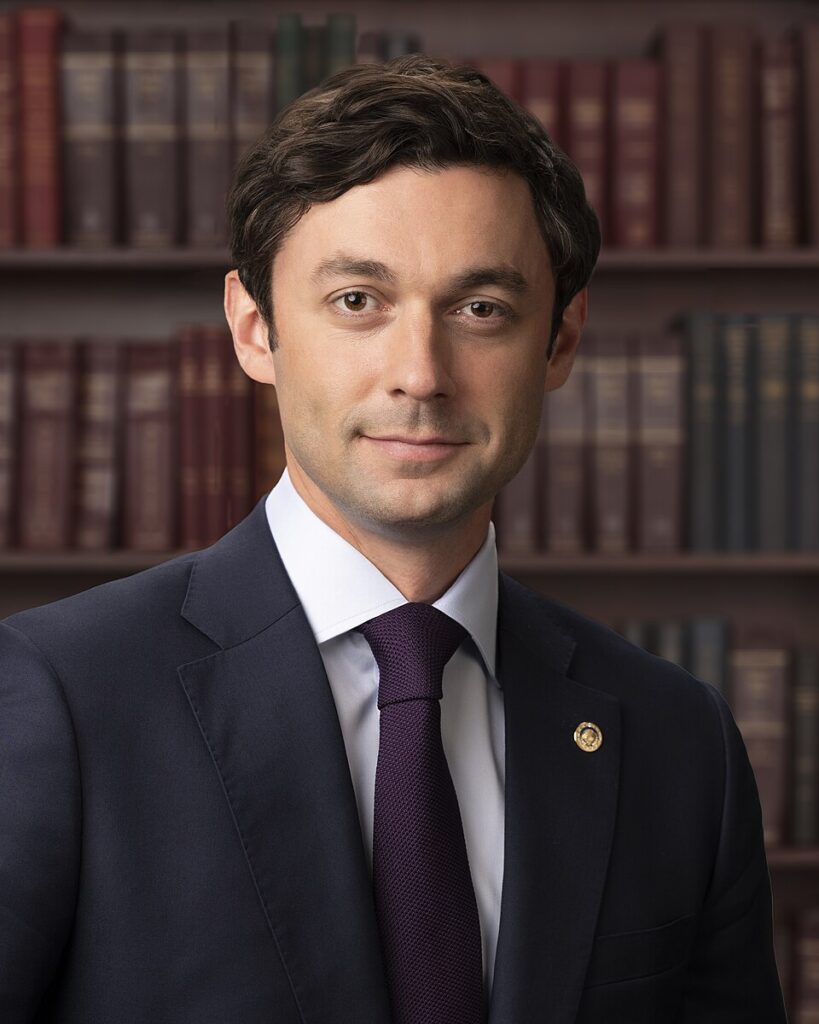
“No child in America should be locked up instead of getting the mental health care they need and deserve,” Ossoff said in a press release. “The results of our bipartisan investigation shock the conscience and demand action, and I will continue working in the Senate to expose the mistreatment of America’s children.”
These scenarios are especially prevalent among youth who have neurodevelopmental issues — such as autism spectrum disorder — or engage in severe self-harm, according the report.
As one North Dakota juvenile detention center put it, there is “no secure and safe public placement option for mentally ill youth who have violent outbursts in North Dakota, and so they come to corrections.”
Twenty juvenile detention facilities in 13 states reported detaining children who either had no charges at all or had charges that would not ordinarily lead to being placed in juvenile detention. Several echoed the sentiment that the behavior leading to criminal charges appear to stem from mental health crises, rather than “criminal intent.”
The report describes the case of a 10-year-old boy who was arrested and charged with a crime after their parent claimed they could no longer care for him safely. The report goes on to state that “situations like this arise frequently and reportedly cause more trauma for the children and their families.”
But kids in these settings are often still forced to live without adequate support for their complex needs, according to the report. It states that incarcerated children, who generally have high rates of physical, mental health and developmental challenges, “face limited access to evidence-based medical care” and their conditions can be “undiagnosed or underaddressed” while in custody.
Kiggans called the findings “deeply jarring.”
“As a nurse practitioner and a mother, it is incredibly troubling to learn that these children are not receiving the care and attention they need,” she said. “Children need counseling and treatment to help them address their struggles and grow into healthy, functioning members of society.”