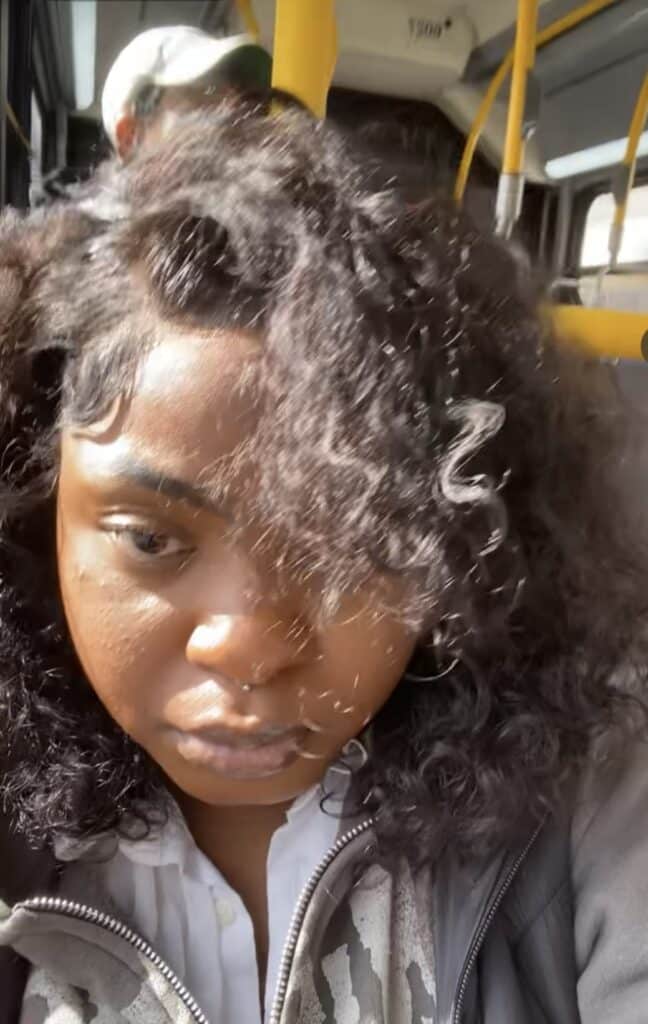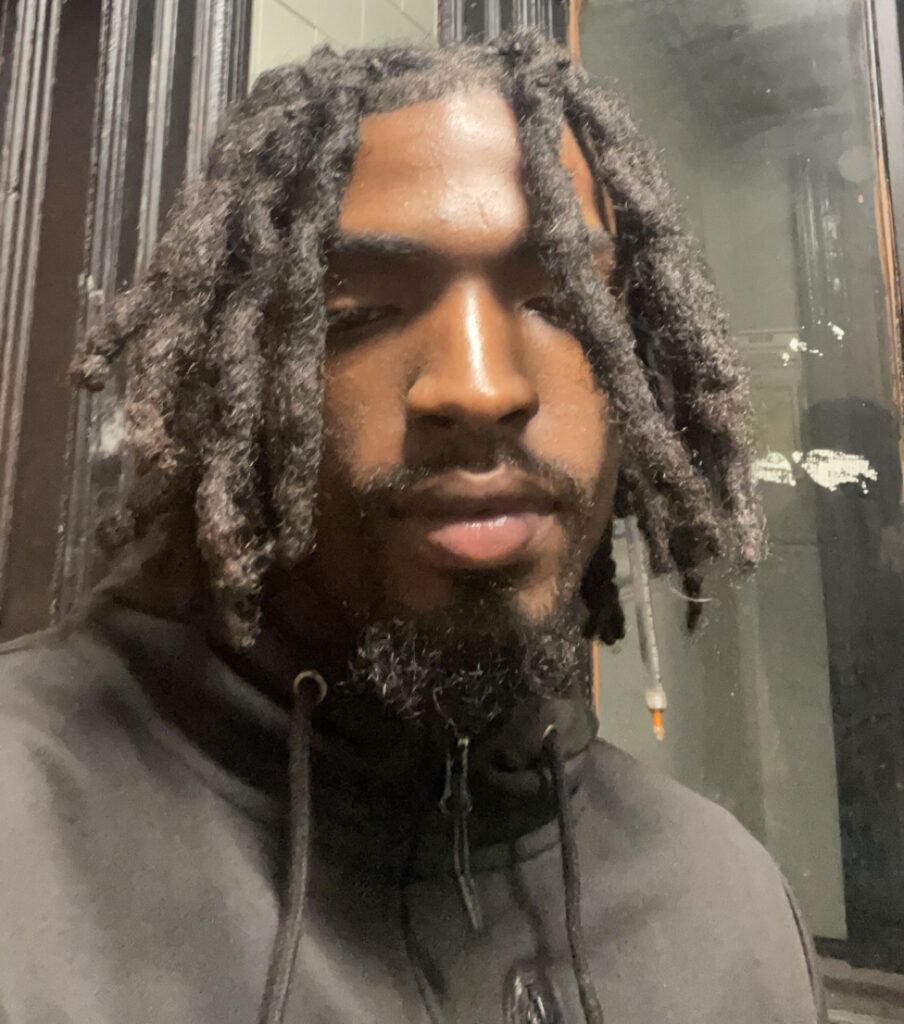

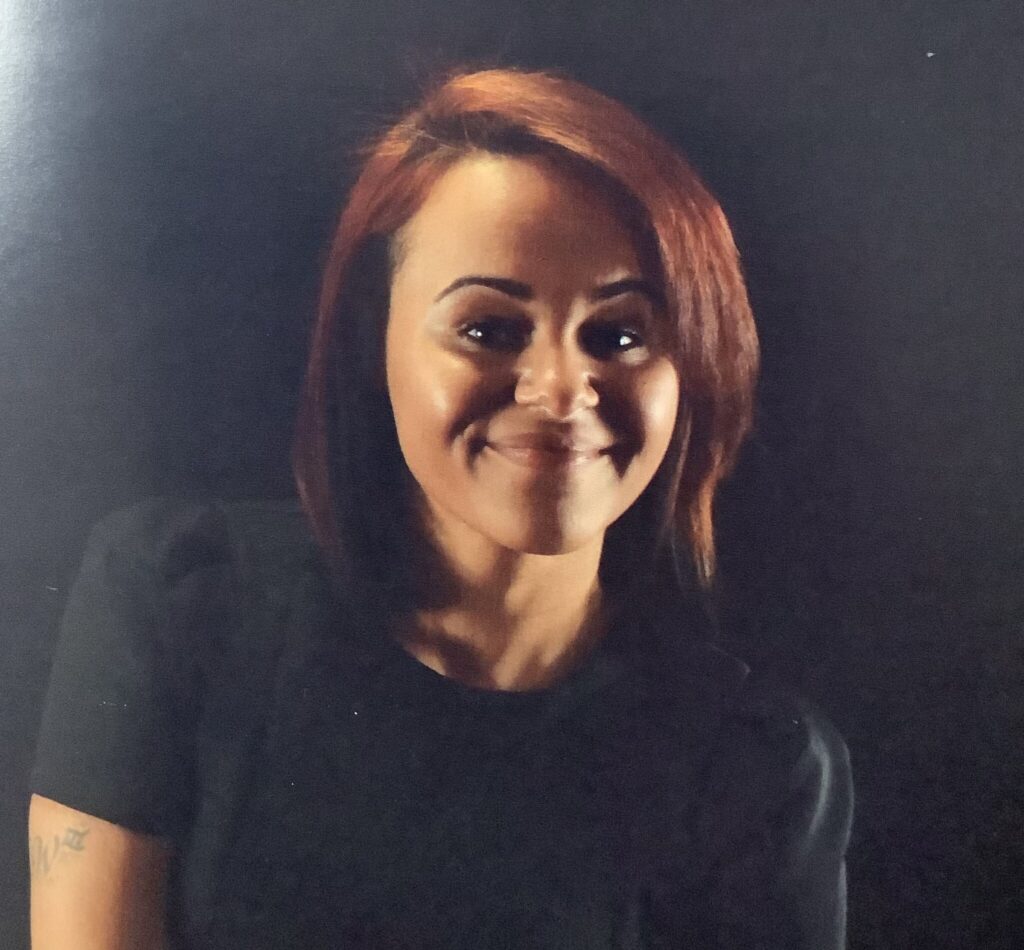
It was three of us. My sister and I got to stay together. My brother was put in a foster home by himself. That alone taught us something: staying together isn’t a given. It’s a privilege.
When we were taken from our mom, we were told the decisions were in our best interest. My mom is German and Polish, and she was our full-time caregiver. Our dad is African American, and he wasn’t around to care for us. My mom got to choose the race of the foster family, and she picked Black. The idea was that it would feel familiar and safe. It didn’t.
The first home we went to was Black, but it was racist. The language, the jokes, and the way we were treated was intolerable. Eventually, they moved us out. The next home was “better.” And in some ways, it was. The racism wasn’t obvious anymore. The adults seemed more stable. On paper, it looked like progress. But safety isn’t measured on paper.
In that home, the foster mom’s daughter bullied me all the time. She pinched me, hit me, and humiliated me. The abuse was obvious, and nothing happened. The message was clear: blood matters more than foster kids. It was worse because of our skin. My sister and I are light-skinned Black girls with what people called “pretty hair.” That made us targets. We got teased and compared constantly. Every time we tried to speak up, we got told we “sound white” or we were trying to have hair “like a Black girl.”
My sister got it too. The daughter thought we looked better than her, so she found anything she could to attack us. She called me fat, pinched my skin, and made jokes about my body. She called my sister “four eyes” for wearing glasses. My sister was too scared to say anything. Even now, she rarely says a word about it. Seeing her stay silent taught me that survival meant shutting up and putting up. Still, I told myself it was better.
That’s what foster care teaches kids. You learn to lower your expectations. You learn to celebrate moving from a zero to a three, far from a 10 that equals real safety. That lesson stayed with me for years. Even after I left foster care, I carried it. I didn’t know how to fully trust safety or speak for myself. I’m 38, and I’m only now starting to heal from that.
From the outside, it looked like progress. From the inside, I still wasn’t safe. This is foster care’s quiet failure. It’s not the big scandals that make headlines, but the daily harm that gets ignored because it looks like improvement. Adults get checks to take care of other people’s kids the way they see fit. Kids live with the consequences and are told they’re “lucky.”
I’m not telling this story to blame anyone. I’m telling it because foster care often confuses less harm with care. It congratulates itself for moving kids from a zero to a three while still leaving them unsafe.
Listening to foster youth isn’t a favor. It’s how you figure out what’s really going on.
If the system had listened to me, it would have learned that matching by race without accountability doesn’t make a home safe. It would have learned that stability without emotional protection isn’t success. It would have learned that kids know when they aren’t safe, even when adults think they are. We don’t need a system that teaches kids to be grateful for surviving. We need one that measures whether we are protected, believed, and allowed to heal. Better is not the same as safe. And foster youth should never have to pretend it is.