Content warning: This piece mentions death.
Growing up impressionable and innocent in our days of our youth, we don’t know life truly and what comes with it. Our community, surroundings, and family all leave an impression on us to make us who we are. But as we grow up, we learn to live with more emotions like grief and depression. Most kids aren’t introduced into these emotions without their parents’ guidance, but some do. Some youth solely experienced these emotions without help, which ultimately ruined their childhood or expedited their maturity. I was a youth who dealt with the rough hand of life and knew some youth like me at the time. Grief and death shapes adults and children; emotions don’t discriminate. Everybody goes through grief, but how we deal with those emotions sets us apart.
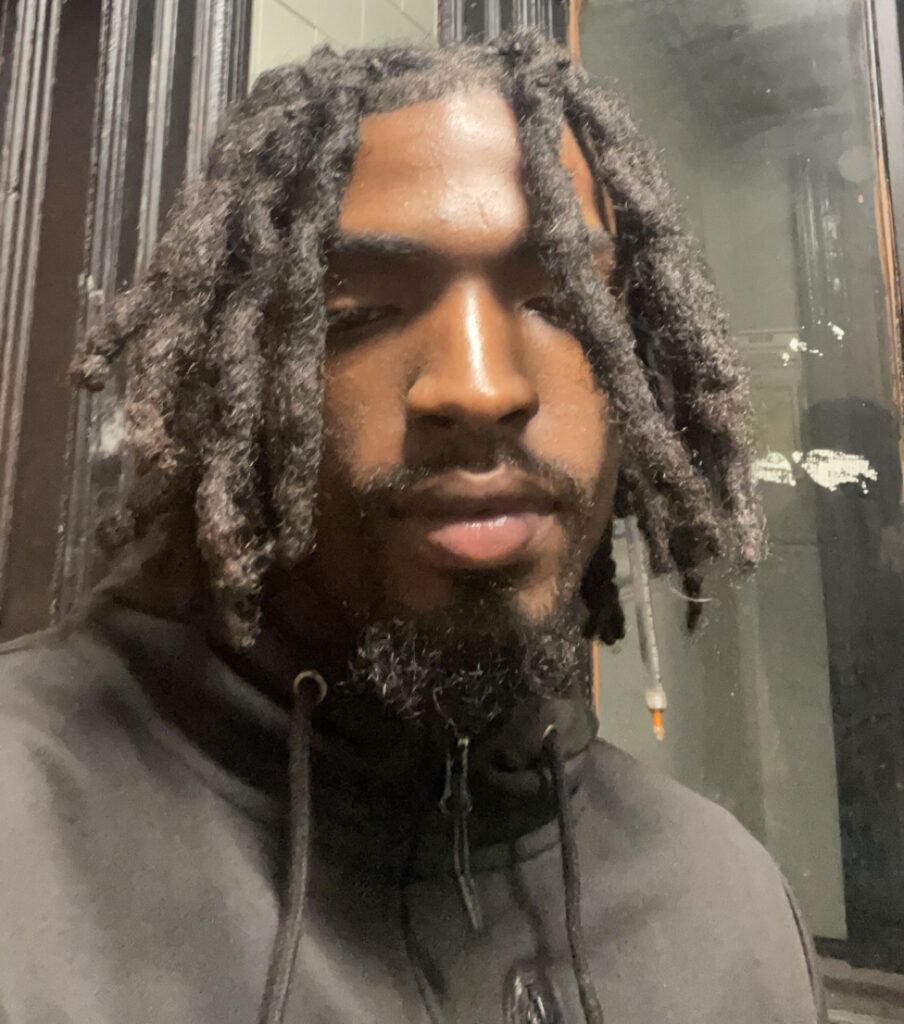
I was introduced to death at 6 years old. I grew up in the early 2000’s, in a small cramped household shared between me and my siblings. My mother did the best she could until my siblings and I were taken into care at the age of 4 because of her situational incompetencies, including not being able to keep up with care for all of her children as a single mother. Even though she did the best she could, I always loved and admired my mother for her acts of determination and the humility she showed us. It showed by example what actual love was.
I was 4 years old when I was placed into my first home in foster care. Most youth that are put into the system at a very young age mature early because of the pressure and constantly moving from house to house, especially in New York City. I don’t remember much from when I was first placed, except for one memory that still comes and goes out of my head ‘til today. It was an eerie night, not much different than most nights at the time. I was tossing and turning on the mattress I shared with my brother like every night that I couldn’t sleep. So I got out of my bed and went for a walk. I don’t really remember the time much, but I remember just hearing the loud ringing sound of sirens.
As I was walking down the street, I turned a corner and saw it just laying there. I barely walked outside from my apartment complex just a block and turned a corner to a disgusting smell. At first, I really couldn’t see anything, and as a young boy, I must have thought it was a mannequin or something. But it piqued my interest where I wanted to look closer. Since then, that face couldn’t escape my mind because I knew he was a friend of my mother. That detail is really all I could remember from that day. That was the day I first saw someone I knew dead. With my photographic memory, that image still stays with me to this day. I was not able to process what I saw that night until I was old enough to talk about it. It did change my personality in my childhood.
My mentality has been warped and changed through the years due to my personal experiences and the succumbing deaths happening around me when I was a teenager. Being in care, being around so many faces, the pressure, and the anxiety from it just altogether made me feel more isolated. I’ve lost a lot in my years. But throughout my teenage years, I lost almost six to seven loved ones back to back yearly. I have lost loved ones to cancer, Covid, gun violence, and bizarre accidents. Someone I loved died at the time, and I still don’t even know why or how, nor does my family. I was really depressed at one point in my teens, trying to figure out what is the actual point of living if we all have to go one day, which even might be tomorrow. I had to find a resolution to living: an ambition to make something of myself, especially because of my circumstantial environment in which a lot of my friends/peers almost faced the same trauma and problems that I’ve had. Some aren’t here to tell their story today, which is sad. But it’s just life and choices.
Some paths are different from others, like my friend, who I’ll refer to as Miles for privacy reasons. Miles and I had similar backgrounds. We grew up in the same neighborhood and lived a couple blocks down from each other in Brooklyn apartment complexes, commonly known as the PJs. Although I was in foster care for the majority of my life, he had a loving mother at home that made sure he and his siblings were taken care of very well. In some cases, his mother took care of me. I thought of her like a motherly figure to me too.
Growing up in east New York, there was a huge amount of poverty back then in the early 2000s, so there were a handful of easy-money influences that could dilute a young man’s mind. A few influenced me and Miles, but Miles was more easily influenced since his mother trusted him more. Thus, it gave him more freedom to be influenced by the wrong crowd. Miles and I both had the same friend group at certain times in our lives. When our close friends died from gun violence, we both coped in different ways. We weren’t being coached or encouraged to talk about our feelings. Instead, we put our energy into something else to try to cope with the hard reality. I turned to sports and weed when I was younger. Miles chose other drugs and got into street life to gain fast money. I stopped using weed when I started high school. Once I was finishing high school, Miles and I weren’t friends any more. Our two opposite decisions in life pulled us into two different paths which just made us fall apart. The deaths we had in our lives and the way he handled them definitely took a toll on him. They were big enough to change his personality, decisions, and perspective. There is no difference between me and Miles, just circumstantial decisions and consequences to those decisions. The trauma was given, and the decisions we made are the lives we live. Miles is dead now, just like most of my friends that I was raised around.
We all grieve it differently. Hopefully, by sharing my perspective on how grief can affect who you are as an individual, it will give people a better understanding of how growing up in poverty and dealing with death could shape a person’s mental health and decisions.