

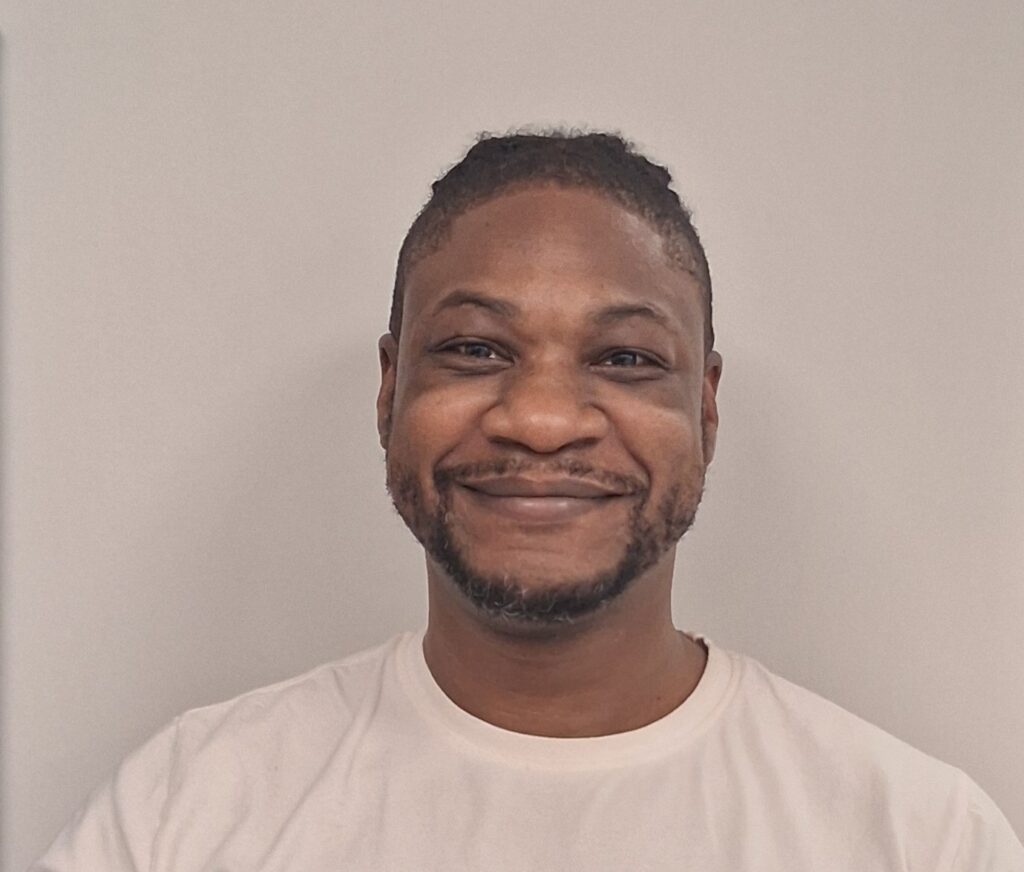
I learned how to survive before I learned how to be a child. Long before adulthood arrived, responsibility had already claimed me. I knew how to read a room, anticipate danger, and brace myself for disappointment. But I didn’t know how to ask for help, regulate my emotions, or imagine a future that felt stable. Growing up too fast didn’t make me exceptional. It made me unfinished.
In 1996, at 17, I aged out of foster care when my time in the Bureau of Child Welfare system expired. I aged out not because I was ready or because I was supported. I aged out simply because the clock ran out. Childhood didn’t end organically — it ended administratively. I was released into the world with adult expectations and no adult guidance, carrying trauma I did not yet have the language to name.
The systems charged with protecting me focused on placement, compliance, and closure, not development. There were no consistent mentors to help me understand manhood, no culturally responsive mental health services to process abandonment and loss, and no preparation for the emotional weight that comes with independence without support. My father was incarcerated for most of my life, leaving another critical absence where guidance should have been. What I learned instead was how to survive alone.
That early independence is often praised as resilience. But resilience built in crisis comes at a cost. When children are forced to grow up too fast, they adapt, but adaptation is not the same as healing. Survival skills keep you alive. They don’t teach you how to live.
By the time I became a father, I was still trying to become a man. I fathered twin boys who were later adopted when they were around two years old. That loss fractured something deep within me. The grief was overwhelming, layered with guilt, shame, and a sense of failure I had no framework to understand. There were no mentors to guide me through fatherhood, no counseling to help me process the trauma of separation, and no safe spaces for young Black men to talk honestly about loss.
So I did what many men do when emotions feel unbearable and unsupported — I numbed them. Alcohol and other drugs became a way to silence pain I didn’t know how to hold. Depression followed quietly at first, then became all-consuming. Addiction was not a moral failure. It was a coping strategy developed in the absence of care.
This is the hidden cost of growing up too fast. The pain doesn’t disappear. It waits. It shows up later as depression, substance use, emotional disconnection, and cycles of instability. What looks like strength in youth often becomes burnout in adulthood. What looks like independence often becomes isolation.
In the 1990s, conversations about trauma, mental health, and harm reduction were limited, especially for young Black men in foster care. Services were fragmented. Parenting education lacked cultural context. Substance use was criminalized rather than understood. Manhood was defined by silence, toughness, and self-reliance, leaving no room for vulnerability or growth. I wasn’t taught how to heal. I was taught how to endure.
Today, I see these same patterns repeating. Youth age out of systems without preparation. Young fathers navigate parenthood without models of healthy masculinity. Communities respond to trauma with punishment instead of support. We continue to mistake early maturity for readiness and survival for success.
Growing up too fast didn’t make me ahead. It delayed my development. Much of my adulthood has been spent unlearning what I had to become to survive and relearning what I was never allowed to be. Healing required mentors I never had, services I never received, and language I had to acquire on my own. It required a community where systems once stood silent.
My lived experience is not unique, and that is the problem. It is evidence of a broader failure to invest in children beyond their case numbers, to support fathers beyond their mistakes, and to see addiction and mental health struggles as signals, not shortcomings. When systems withdraw too early, they don’t create independence. They create generations of adults carrying unresolved childhoods.
If we truly want youth to thrive, we must stop celebrating how quickly they grow up and start questioning why they had to. The cost of growing up too fast is not paid in childhood. It is paid across a lifetime. Until we build systems rooted in mentorship, healing, and purpose, rebuild and support the nuclear family in Black and brown communities, empower youth early, and treat Black fatherhood as essential public infrastructure, we will continue asking children to carry adult burdens with child-sized support.
That is not resilience. That is abandonment with a deadline.