
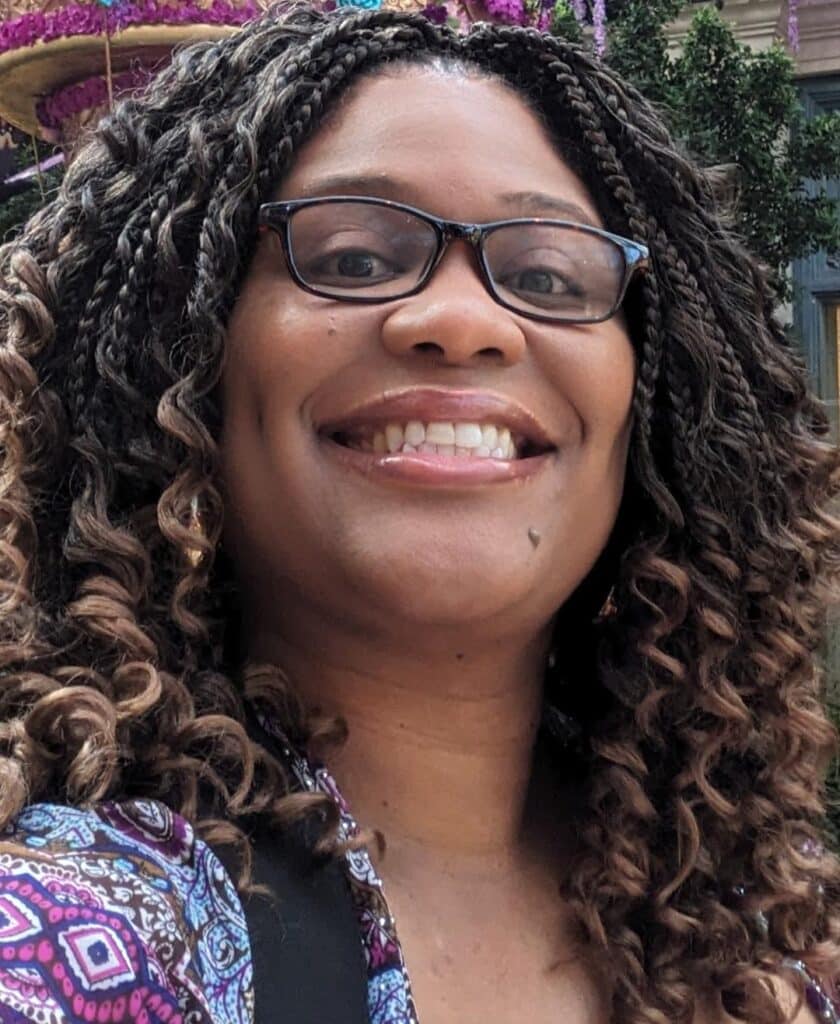
On Thursday, February 19th, 2026, I served as a panelist on Youth Voices Rising’s webinar, “Love Shouldn’t Hurt: How Lived Child Welfare Experience Shapes Romantic Relationships.” This was my first experience being on a panel with such a large group of lived experience experts. What I found to be the most interesting is that the very first question had the most hands raised. The mutual and simultaneous interest in answering the question immediately demonstrated how all of us had something to say about how being in the foster care system shaped our romantic relationships. Even though all of us had all been in the foster care system for different reasons and had different experiences, we all agreed that being in the foster care system shaped the way we love ourselves, the way we love others, and what we have learned about love.
Several of the panelists shared stories about being abused either by their biological parents, their adoptive parents, or by their foster parents. Hearing those stories really made me sad because, as the title of the webinar says, love shouldn’t hurt. Love shouldn’t hurt, and no one has the right to abuse us in any kind of way, whether they are our biological parents, our adoptive parents, or our foster parents. When it comes to abuse, all people should be held accountable for abusing other people, especially children and youth in the foster care system. But I have witnessed a double standard. I’ve seen how biological parents may be held accountable for abuse more than a foster or adoptive parent. While I was in the foster care system, I experienced abuse. I learned, while in the foster care system, that had I experienced that same kind of abuse in my biological home, I would have probably been taken away from my parents. Yet, I wasn’t taken away from the state when I was abused in their care. That experience and becoming a mother myself is what inspired me to create Freedom From Foster Care A Nonprofit Organization.
While hearing the stories of abuse made me sad, hearing the stories of hope, courage, and love kept a smile on my face long enough to erase my frown because Freedom From Foster Care’s mission is to end generational foster care. Sharing that sacred space with so many other lived experience experts who know what abuse is, know how to expect dignity and respect, and who know how to treat others with dignity and respect made me feel optimistic that their children will never end up in the foster care system. People who were in the foster care system should know how to be the best parents because our experience in foster care was either one that would help us ensure our children never went into foster care, or because going into the foster care system was an escape from a home that we would never want our own children to have to live in. In other words, we know better, and we should. It made me feel good to know that I was sitting with a group of people who not only know better, but who want and choose better.
The one-hour webinar was definitely not enough time for our discussion. So, we should continue to have these discussions because learning to love and loving ourselves and others is an activity that will never stop. I am a person of faith, and Jesus said our only commandment was to love one another. With all of the harm and traumas we have all experienced in our lives, the only way to begin the journey of healing is to begin giving love and being receptive to being loved. Yes, giving love and allowing ourselves to be loved is easier said than done, but living without love is so much harder. Serving as a panelist on the webinar reminded me of that. Growing up, I often heard people say we have not lived if we have never loved. Trust is the foundation of love, and trusting is hard sometimes. But it feels good to trust and to not have our hearts guarded so intensely that we are unable to let our hearts feel joy. We deserve love and joy, but sometimes, we have to give and represent love and joy first. Be love.