
The Mamdani administration says it has no choice but to trim in a tight budget year; city nonprofits warn the cuts could lead to more children removed from home.
In its effort to rein in city spending, New York City officials have proposed cutting foster care prevention services in Brooklyn and Queens, a belt-tightening that contracted providers say would threaten families at risk of separation.
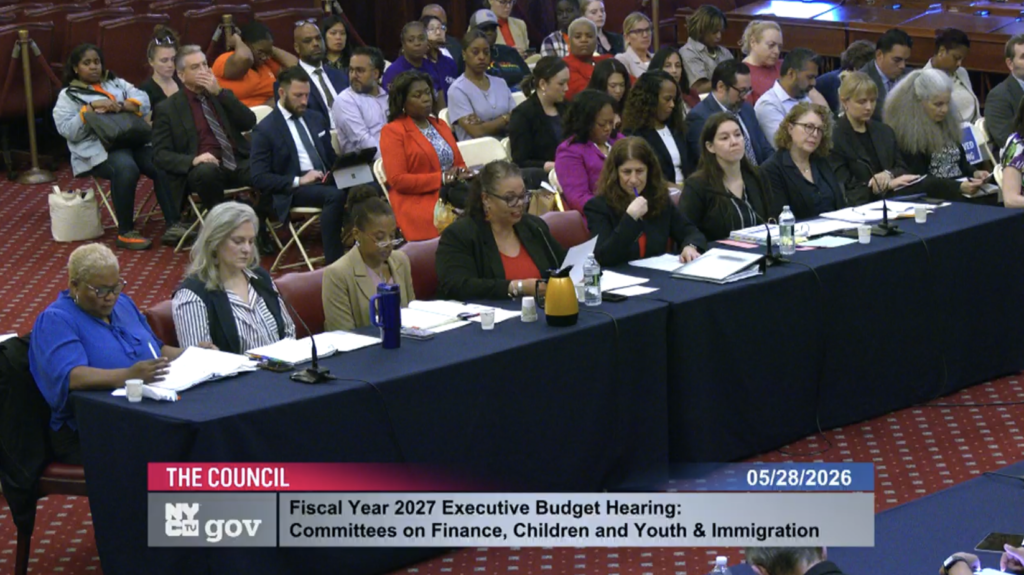
At a city council budget hearing Thursday, leaders of the Administration for Children’s Services (ACS) defended the decision to shutter the four contracted prevention programs, saving city taxpayers $2.7 million and more than $7 million when combined with the loss of state funds over the next two fiscal years.
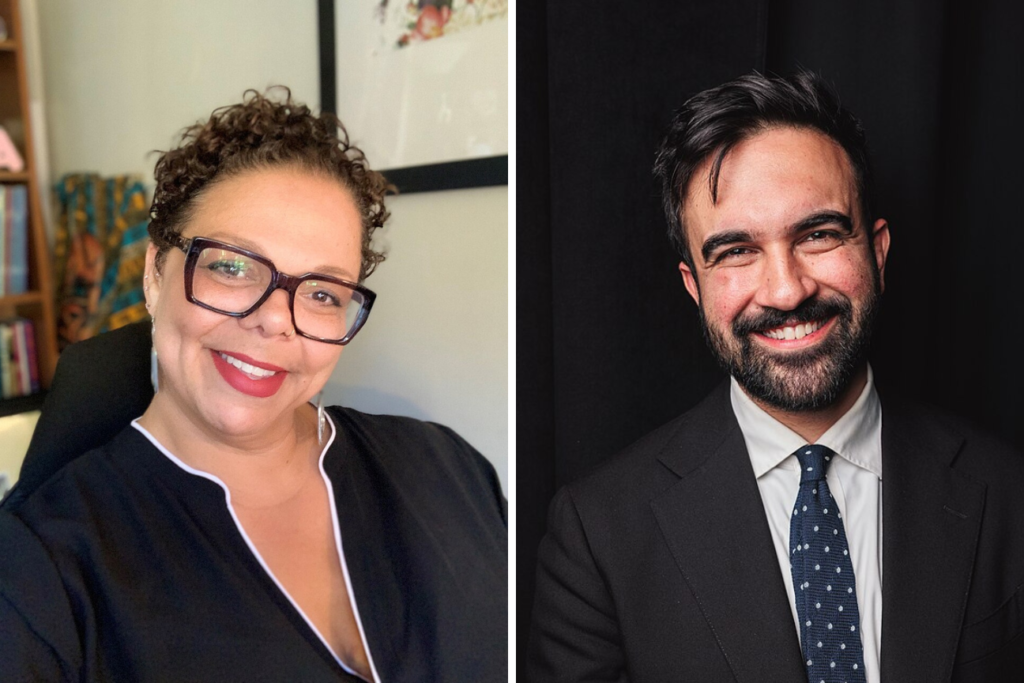
Commissioner Rebecca Jones Gaston, who was appointed by Mayor Zohran Mamdani in April, assured council members that her agency would minimize disruptions by transferring affected families to other local prevention programs within 90 days of the closures.
“Our work at ACS centers on continuing to reduce the number of children in care, both by preventing children from entering in the first place and from intensifying efforts to reunify children more quickly,” Jones Gaston said. “We will also continue to monitor community needs and make sure families continue to have access to services.”
The plan to reduce spending on prevention follows directives from Mamdani, who asked a variety of city agencies to curb spending under his proposed $124.7 billion executive budget released last month. The final New York City budget must be approved by the city council by June 30.
In interviews, heads of foster care agencies described why they’re opposed to the cuts to prevention programs, which they describe as clashing with the mayor’s otherwise ambitious “affordability” agenda. They also said the mayor’s office is underestimating the long-term consequences for families at risk of losing their children to foster care and becoming further embroiled in yearslong child welfare cases, they added.
“It’s just a real gut punch,” said Good Shepherd Services CEO Michelle Yanche. “Families are struggling economically, with mental health challenges, and this is part of the safety net that protects families and helps them navigate through these challenges.”
At last Thursday’s meeting, some city council members also objected to cutting foster care prevention services and urged the child welfare agency to look for trims elsewhere.
“My hope is that we come up with a better solution,” said Council member Althea Stevens. She lamented the job cuts that will follow when the targeted programs are shut down. Stevens called it “heartbreaking to think that people will be losing their jobs in 90 days.”
The city agency initiates roughly 40,000 child abuse and neglect investigations annually, its statistics show.
Foster care prevention services are geared toward families who are dealing with stressful situations that put them at risk of child welfare involvement or foster care placement. Some families seek out services on their own, through referrals in their communities. Other times, the services are offered to families who have an open case with CPS following a report of suspected child maltreatment.
“We’ve gone too far in making progress to create the prevention services that we have in New York City, which is really the envy of the country. In making these cuts, we’re going in the wrong direction, away from this incredible progress that has been made to center family support and keep families together.”
—Kathleen Brady-Stepien, director of the Council of Family and Child Caring Agencies
Prevention programs provide resources for mental health care, substance abuse counseling, parenting classes, and assistance with basic needs such as applications for housing and food stamps. The resources are aimed at supporting families early, preventing the need to remove children from home.
In New York City, prevention programs are run by private foster care agencies using city and state funding. If the proposed cuts are finalized in June, in the ensuing three months, Forestdale, the Coalition for Hispanic Family Services, the Church Avenue Merchants Block Association and Good Shepherd Services would shut their prevention programs that collectively serve hundreds of people a year.
That would cause an unfortunate backtracking, said Kathleen Brady-Stepien, who represents foster care nonprofits statewide. She said the city’s lengthy commitment to prevention services has fueled the steep reduction in the number of children in foster care — from roughly 13,000 a decade ago to a historic low of 6,300 today.

“We’ve gone too far in making progress to create the prevention services that we have in New York City, which is really the envy of the country,” said Brady-Stepien, director of the Council of Family and Child Caring Agencies. “In making these cuts, we’re going in the wrong direction, away from this incredible progress that has been made to center family support and keep families together.”
Council member Stevens, who chairs the city’s Committee on Children and Youth, said if the cuts go through, impoverished families from Brooklyn and Queens will have difficulty traveling farther distances for services.
“This is a disinvestment in those communities, because we don’t want to criminalize poverty, and a lot of these cases are often around poverty,” Stevens said. “There is no way that families who are already vulnerable — families who already don’t trust the system — are now going to say, ‘Alright, well, there’s a slot over here, so I’m gonna go.’”
Mamdani’s executive budget takes aim at a projected budget deficit over the next two years totaling $12 billion, which his office says was caused by “underbudgeting, unfunded mandates and fiscal mismanagement under the prior Administration.” The city’s largest proposed reductions would come from delaying pension payments and stalling a mandate to reduce school class sizes.
A chief savings officer was placed at the Administration for Children’s Services, along with all other city agencies. The mayor’s proposed budget calls for smaller cuts at Fair Futures and Career Choice, two programs that help aging-out foster youth.
Some of the targeted foster care prevention programs have already started to prepare for the reduction.
In Brooklyn, the nonprofit Good Shepherd Services has been running a Family Reception Center for over 50 years for local residents, many of whom have open CPS cases. The center offers counseling, assistance with public benefit applications, food and clothing. The proposed budget cuts would shut down the center, which currently serves up to 96 people a year.
Anticipating the reduction, Yanche said the program has already started turning away prospective family members.
She has also given notice to prevention caseworkers at her agency — some who will be able to transfer to departments, others who will lose their jobs.
Yanche said she wanted to give her employees time to search for other jobs, but she still hopes the Mamdani administration will reverse this decision.
At Forestdale, a nonprofit foster care agency in Queens, 57 families are currently enrolled at the family support program, which is also slated to be cut. These families will have to start all over with a new caseworker, possibly travelling to a different agency that is more than an hour away by subway.
Many families are already resistant to allowing caseworkers into their lives, and forcing them to switch caseworkers would only prolong their interaction with the child welfare system, said Forestdale’s executive director, Lorraine Stephens.
“This is a family in crisis,” Stephens said. “It’s very hard to allow someone in your home and talk about your domestic violence. It’s really hard to have someone in your home and say ‘I’m a substance abuser.’ These are really hard, threatening conversations with families and communities.”
At her agency, Stephens added that the cuts would affect more than just one program. Forestdale stands to lose $750,000 of its funding for next year, so to avoid staff layoffs she’s planning to end other initiatives that aren’t being funded by the city. One is a reproductive health education program her agency has run for 10 years at a neighborhood high school.
“We’re gonna keep fighting,” Stephens said. “But it doesn’t seem like there was a lot of thought put into what the impact would be out here in Queens.”