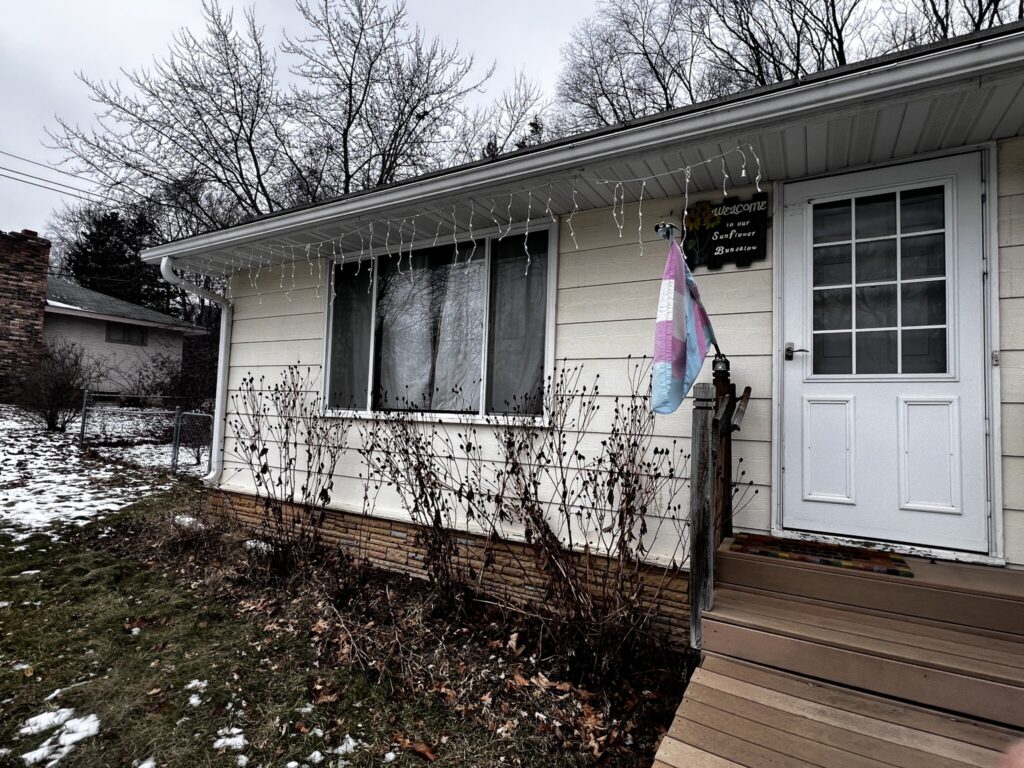
Amid a historic surge in anti-LGBTQ+ legislation across the country targeting youth, a 25-year-old Minneapolis nonprofit reports an upsurge in calls and requests for help and support. For ConneQT, which offers temporary housing for LGBTQ+ youth facing homelessness, housing inquiries from teens and young adults have doubled, the organization reports. The growing need follows passage last year of a Minnesota law declaring the state a refuge for families with youth seeking gender-affirming care who face threats in their home states.
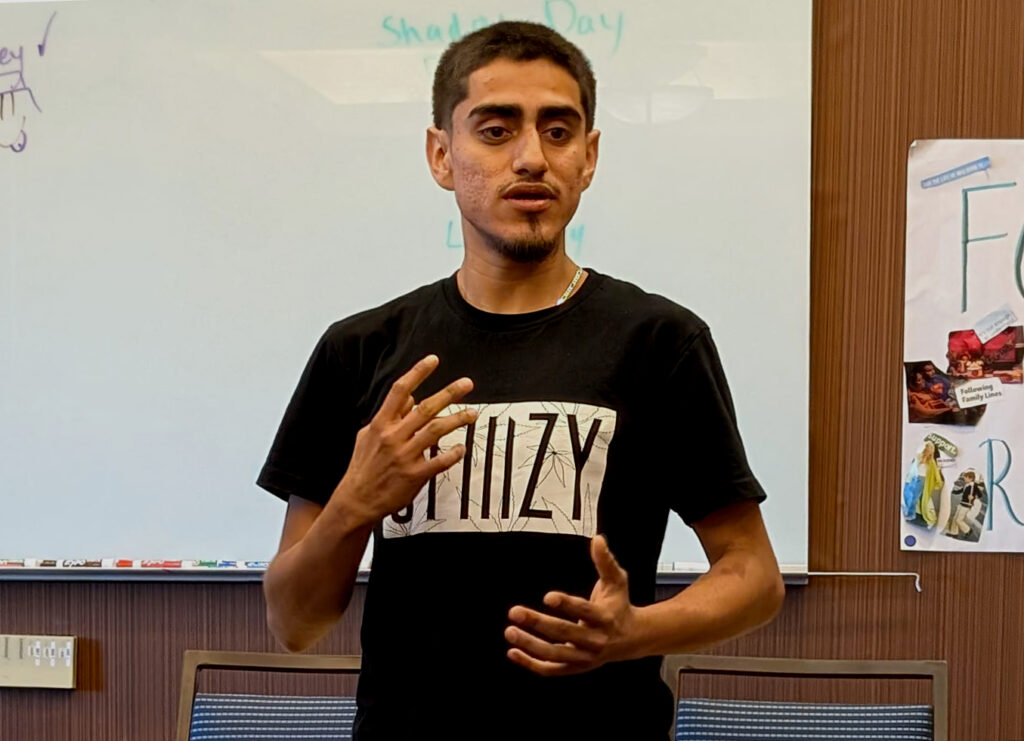
“We are seeing an influx of youth needing support from out of state as they flee from anti-trans states that either surround Minnesota, or from hundreds of miles away,” said Ryan Berg, who manages ConneQT, an Avenues for Youth program that provides “host homes.”
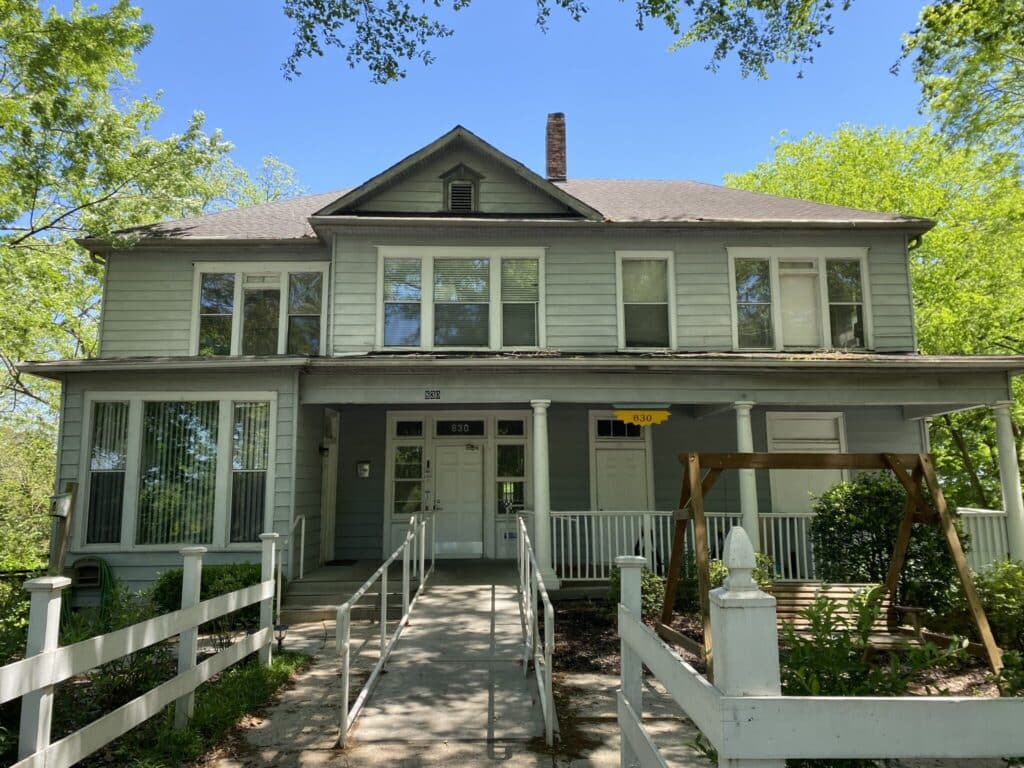
The arrangements can last weeks, months or as long as a year or more. The program’s parent nonprofit also serves youth facing homelessness in two shelters that provide transitional living services, and a “rapid re-housing” program for young families. But the ConneQT host home program, supported by public and private funds, provides perhaps the most unusual service — described by Berg as a “form of mutual aid.”
Volunteers must be 25 or older, and pass a background check. They receive 16 hours of training, and attend support groups. Once verified, hosts provide housing and food to teens and young adults, ages 16 to 24.
Berg, who has managed the Hennepin County-based ConneQT for the past decade, is the author of the 2016 book “No House to Call My Home: Love, Family, and Other Transgressions,” which is based on his experiences working in a group home for LGBTQ+ homeless youth in New York City. ConneQT provides alternatives “through the lens of solidarity rather than charity,” he said.
Not letting go
One recent participant, Archie, sat recently with a reporter and his former hosts in the softly lit living room of their two-story New Brighton home. Archie — who The Imprint is identifying by first name only to protect his privacy — is now 20 years old and living on his own near downtown Minneapolis.
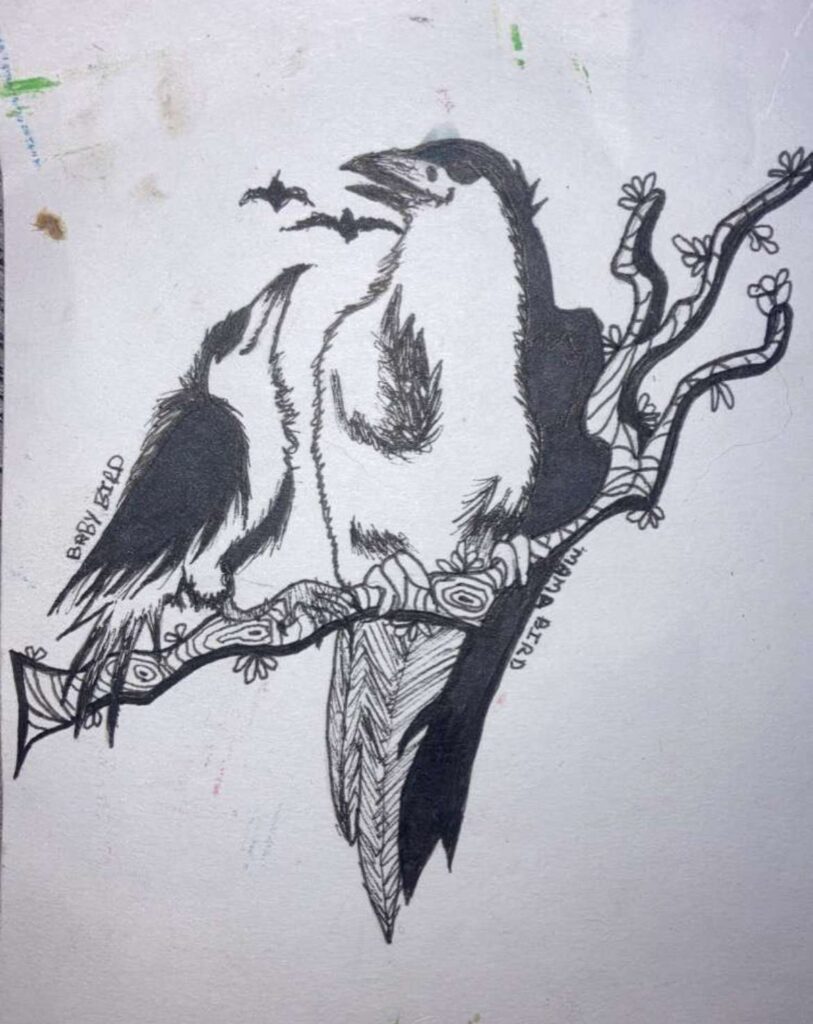
He was 17 when he met hosts Katie Leverentz, a social worker, and her husband Tim Leverentz, an English Learning and literacy teacher. At the time, Archie had fled childhood abuse and neglect at home, and struggled with addiction. He spent a brief period in foster care, with caregivers he said made life uncomfortable for a trans teen living openly. As his 18th birthday approached and he was finishing up a drug treatment program, navigating homelessness felt like a safer option than moving to a group home or a halfway house. But a social worker at the rehab center suggested a better alternative, and recommended the ConneQT program.
Before the in-person meeting with his new hosts, Archie recalls sitting in his high school class so nervous that he felt sick to his stomach. But surprisingly, over time, the three got to know each other, and it started to feel more like a family. Archie and Katie Leverentz now have tattoos from one of Archie’s line drawings. Hers is a “Mama Bird,” and his, a “Baby Bird.”
“I could tell that I wasn’t gonna go anywhere, even if I wanted to disappear,” he said in a December interview with his former hosts. “You guys weren’t gonna let me go. I was already in your lives and you guys are just very positive people and it was impossible not to love you.”
Katie Leverentz had been volunteering at a local homeless shelter when she learned about ConneQT. The program appealed to her as someone who couldn’t have children of her own, and she wanted to be a part of young people’s fresh starts.
“In this program we try to give the youth as much power as they can have,” Leverentz said. “The youth get to decide how we refer to them. And for us, and for our community here, Archie was our ‘roommate.’”
LGBTQ+ youth in need
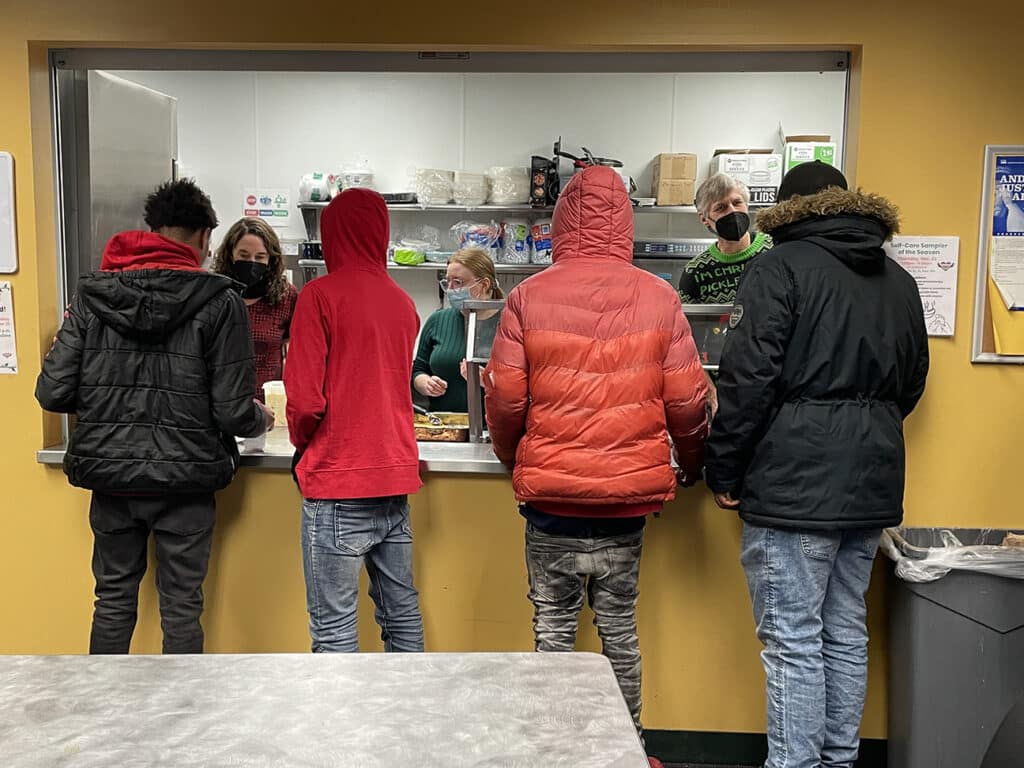
According to studies of Minnesota’s homeless, each year, an estimated 13,300 children and youth through age 24 experience homelessness on their own in the state. That figure is considered conservative. It includes as many as 5,800 minors 17 and younger, and 7,500 young adults ages 18 and older who are couch-hopping or sleeping in cars and on public transportation. Black and Native youth are overrepresented, by large margins, among this population.
Twenty-three percent of the homeless youth identify as lesbian, gay, bisexual, transgender, queer, or questioning, according to the Wilder Research firm. They are often alone, the researchers found. While most young people 20 and younger said they have a trusted adult they can talk to about their problems, nearly two out of three reported they don’t think they’ll ever live with their families again.
The New York-based Point Source Youth nonprofit supports the Minneapolis host homes program and 10 similar models in California, New York, Washington, Maryland, Ohio and Kentucky. The approach is defined as a “youth-centered” solution to the homelessness that far too many LGBTQ+ young people of color face.
“In this program we try to give the youth as much power as they can have … The youth get to decide how we refer to them. And for us, and for our community here, Archie was our ‘roommate.’”
-Katie leverentz, host home provider
Point Source describes the model as a mobilization of adults who put “care into action by literally opening doors.”
The short-term intervention serves youth who would otherwise be on the streets due to family conflict, poverty, gender identity and sexual orientation. The reprieve gives them time to repair relationships with “self-identified family” and make decisions about a more permanent living situation, with the support of a case manager.
All host applicants must have an extra bedroom, provide references and pass through the interview stage. Once selected, they sign a waiver of liability, as well as a contract with the youth, the terms of which are mutually agreed upon. Household standards — meals, chores and basic rules — vary depending on the home, but they are typically far less restrictive than foster care or a residential program, and the young people are expected to be respected as adults in charge of their own lives.
Hosts are advised that the young people will be navigating a life of multiple traumas — issues that may be far from properly treated or resolved when they arrive on their doorsteps. ConneQT works to provide LGBTQ+-affirming holistic mental health support and services.
“Trauma can cause us to react to present events in ways that seem wildly inappropriate, overly charged, or otherwise out of proportion. Whenever someone freaks out suddenly or reacts to a small problem as if it were a catastrophe, it’s often a trauma response,” the training manual for Minnesota hosts advises. “Something in the here and now is rekindling old pain or discomfort, and the body tries to address it with the reflexive energy that’s still stuck inside the nervous system.”
There are other potential difficulties to navigate as well. Hosts tend to be white, and the youth come from communities of color. There can be class differences as well, making young people from lower-income communities feel uneasy in a far more affluent home. Conflicts can arise over food preferences, lengthy periods away from home and visitors.
The role of hosts
Some discomfort is an expected part of the challenges these blended households experience, said Alexis Kantor, a former Avenues for Youth board member. She and her wife Jacqui have welcomed numerous young people into the home they share with their own child.
“When you’re bringing someone into your home, you have all the power, and it is scary,” Kantor said. “I can’t even imagine walking into a person’s home that you just met — and you’ve read about them and you’ve met them a couple of times — and here you are supposed to trust us to sit at our table and to eat a meal, which can be intimate.”
ConneQT parents like these are asked to assess whether they will, indeed, provide a welcoming home. If they have never lived with a queer or transgender youth, they’re asked to get acquainted with LGBTQ+ youth issues, explore their own feelings about sexual orientation and gender identity — and to remain open to discussions.
They are also vetted for sensitivity to “white privilege and racism.”
“If you are white,” program trainers advise, “it is extremely important that you become more aware of race, racism, and white privilege and the implications of living with that privilege.”
Chuck Clingman and his partner Bob Brentrup, a white couple in their retirement years, raised their own children before becoming hosts. Numerous young people have come through their home, some for as long as a year and a half. Unlike some hosts, they didn’t feel too strongly about shared meals, but they were happy to take youth on trips to the grocery store.
One of their visitors was a West African immigrant who liked to cook dishes she grew up with. “Chuck learned all the African food markets in our neighborhood that he didn’t know existed,” Bob says in a training video. Another teen had a severe eating disorder, resulting in very careful shopping trips.
On the whole, they worked to make their home casual and welcoming, they said. The couple has reminded themselves they are hosts, not parents, and the young people they’ve taken in are adults who can make their own decisions.
But they’ve allowed the opportunity for the young people to let their guards down a bit, and experience some of the childhood they may have missed out on. Many of the youth had “good survival skills on the street,” Brentrup said. But in host homes like his, a favorite pastime can be something as simple as watching cartoons.
An artistic path
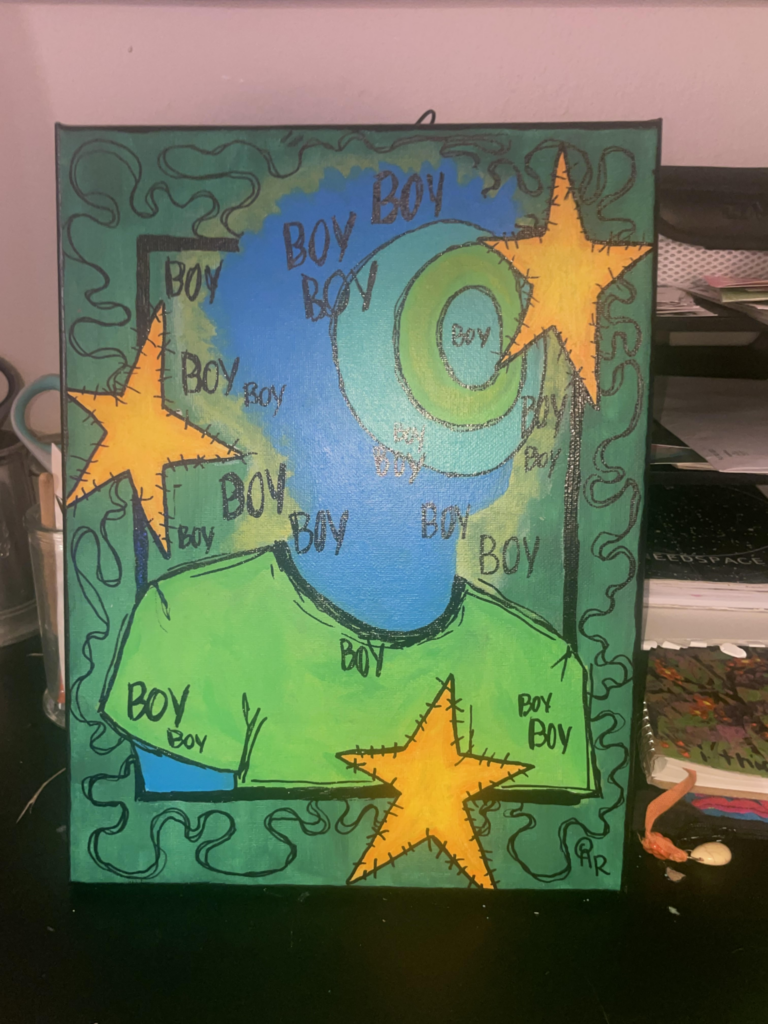
Archie stayed with the Leverentz couple for a year until 2021, when he moved out on his own after finding work as a security guard.
But the three remain close, and the Levernetz home still boasts Archie’s artwork. Paintings on canvas and collages line the walls of the Leverentz kitchen. The impressive work is inspired by Dadaism, a 1900s avant-garde movement.
“Why buy art when I have all this?” Katie Leverentz said.
Archie plans to finish up his last few remaining credits to earn his high school equivalency and attend a college somewhere in the Pacific Northwest. Eventually, his sites are set on the Paris College of Art.
These are the visions for the future that hosts hope to inspire.
“There’s nothing easy about being a young person in the host home program, but there’s a lot of magic,” Rocki Simões, former ConneQT manager, advises those becoming hosts. “Messy and magical.”