

Clinicians and advocates for LGBTQ+ youth decry the controversial bill, stressing the negative mental health impacts for young people whose gender identity is rejected.
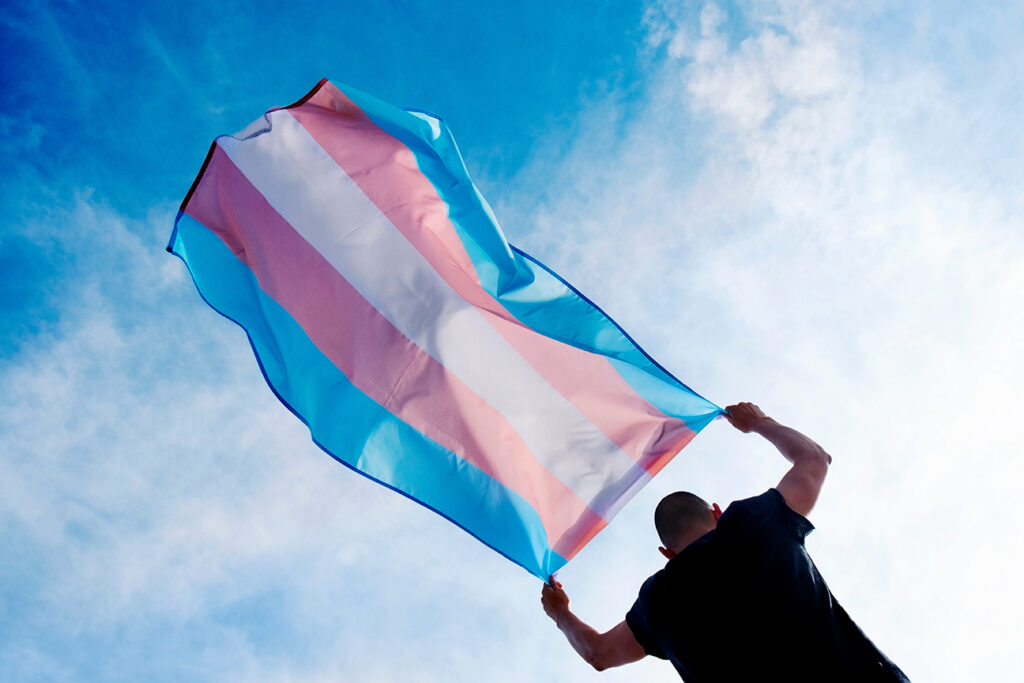
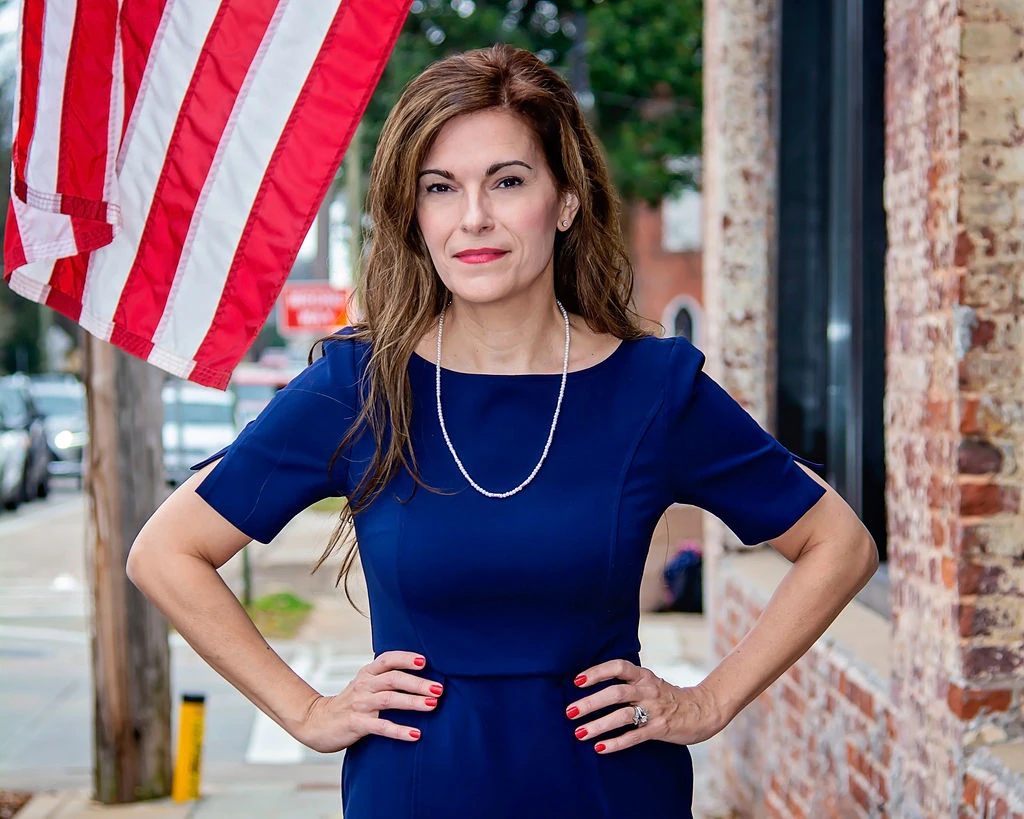
Following similar efforts nationwide and encouragement this week from President Donald Trump, a Georgia lawmaker wants to double down on curtailing the rights of transgender and nonbinary youth. Rep. Noelle Kahaian’s bill focuses on their parents and caregivers.
The first-term Republican frames her newly introduced legislation as providing “protections for children who adopt an identity that differs from their sex.’’ It would establish that parents, foster parents and kinship caregivers have the right to raise their children in accordance with their biological sex — even if the child identifies differently. The proposed measure specifically safeguards caregivers’ “religious or sincerely held beliefs.”
The definitions would apply specifically to the child welfare system, protecting parents and caregivers from losing custody or being accused of abuse solely for denying their child’s expressed identity. The bill also restricts how state employees and contractors can support trans youth.
While the legislation’s stated purpose is to protect kids, some child welfare advocates believe it will do just the opposite.
“What it’s really doing is putting a target on the backs of children, and a small population of children,” said Daniele Gerard, lead counsel at the national advocacy group Children’s Rights.
Georgia does not publish data tracking this population, but one 2019 study from California found that about 30% of youth in foster care identify as LGBTQ+ — and 5% as transgender — compared to 11 % and 1% not involved with the child welfare system. These foster youth are more likely to experience mistreatment and to be placed in institutional settings rather than homes. They are also less likely to be adopted or reunified with their families.
Kahaian’s measure defines “affirming” a child’s sex as using their legal name and pronouns assigned at birth. That’s the opposite of how LGBTQ+ advocates and medical providers use the term “affirming,” which for years has referred to social support and medical treatments for someone who is transitioning to a different gender as an adolescent or an adult.
Kahaian’s office did not respond to requests for comment about the bill.
Before taking office, Kahaian worked as a consultant and paralegal. She also co-founded Protect Student Health Georgia, a nonprofit that seeks to protect children from “harmful indoctrination” and “transgender ideology.” Since taking office a year ago, she has sponsored bills calling for stronger gun ownership rights, voter ID requirements, fewer vaccine mandates and a measure that would require schools to post the Ten Commandments in classrooms.
In his Tuesday State of the Union address, Trump issued a call similar to Kahaian’s new parental rights bill. He shared a lengthy anecdote describing Sage Blair who, at 14, was allowed to “socially transition” and identify as a male at a Virginia school. Blair eventually ended up in the Washington, D.C. area, where Trump proclaimed that a Maryland “left-wing judge refused to return Blair to her parents because they did not immediately state that their daughter was their son.”
Blair attended the State of the Union address with family members.
“Surely we can all agree, no state can be allowed to rip children from their parents’ arms and transition them to a new gender against the parents’ will,” Trump said. “We must ban it.”
Trump did not mention publicly available court documents from a 2023 lawsuit filed by Blair’s grandmother. According to the filing, the teen’s public defender told the judge that Blair felt “unsafe” at home due to emotional and physical abuse related to Blair’s gender identity.
The grandmother stated in court filings that those allegations were false.
“What it’s really doing is putting a target on the backs of children.”
— Daniele Gerard, Children’s Rights
The Georgia measure reflects a broader policy push both in the state and nationwide. More than 700 anti-trans bills have been proposed this year, with 11 pending in Georgia.
In Ohio, GOP lawmakers recently introduced the Affirming Families First Act, which would prohibit abuse allegations or custody decisions based solely on a parent rejecting their child’s gender identity.
“No parent should lose custody, face state intervention or be deemed unfit simply for affirming a child’s sex,” said Ohio Rep. Josh Williams in a press release. “The Affirming Families First Act restores common sense to our child-welfare and family-law systems by making clear that affirming biological sex is not abuse, neglect, or contrary to a child’s best interest — it is a protected parental right.”
Uncertain ramifications
If passed, the Georgia legislation would also prohibit state employees, contractors and volunteers from encouraging a child to adopt an identity different from their biological sex, and from maintaining “materials, policies or training” suggesting that sex can be altered through “social or medical interventions.” Additionally, if a child expresses a desire to make such changes, including going by a different name or pronouns, these individuals must notify the child’s parents.
These requirements would apply widely to child welfare workers, school staff and court personnel — including court-appointed attorneys who represent LGBTQ+ foster youth, like Danni Leader.
Leader warned that the bill could make already difficult jobs, such as social work and teaching, even harder by creating confusion or fear about how to safely support kids without breaking the law.
“The way that it is written, I wouldn’t be allowed to work because I have the audacity to say, ‘I’ll call you by the name you want me to call you, and that’s OK,’” Leader said.
The bill would also bar courts from requiring parents to consent to any “social, hormonal, chemical, or surgical interventions” that affirm a child’s gender identity. But Leader noted that even if such intervention is desired, that type of medical care is largely already mostly out of reach in Georgia.
Georgia banned most gender-affirming surgeries and hormone therapies for minors in 2023, with the exception of hormonal treatments known as puberty blockers. But earlier this month, the Georgia Senate extensively revised a health care bill to include a ban on these treatments. It would also prohibit state-run health care facilities from providing any gender-affirming care. The House still has to approve those changes.
How Kahaian’s bill would be enforced is uncertain, and it does not lay out penalties for noncompliance. Leader said the vague language leaves room for broad interpretation. Could simply not challenging a child’s expressed identity be interpreted as support?
These are the types of questions being asked by staff at CHRIS 180, one of the first organizations to serve LGBTQ+ youth with mental health, foster care and adoption services in Georgia.
“The way that it is written, I wouldn’t be allowed to work because I have the audacity to say, ‘I’ll call you by the name you want me to call you, and that’s OK.’”
— Danni Leader, attorney for LGBTQ+ foster youth
Rick Aranson, CHRIS 180’s chief program and operations officer, said his organization will comply with the law if passed. But the ramifications remain unclear. For a service provider that openly supports LGBTQ+ youth, he said the bill’s framing of terms like “affirming” could impose new restrictions on the kind of therapeutic interventions it can offer — and even the language it uses.
“We will certainly comply with whatever is legislated,” Aranson said. “That said, we will have to tread more lightly, be more sensitive, watch our words and more carefully consider the recommendations we provide.”
Melissa Bauman-Fletcher, a licensed marriage and family therapist who oversees CHRIS 180’s school-based mental health programs, worries the restrictions could undermine trusted relationships between children and providers, and thwart progress.
Bauman-Fletcher fears Kahaian’s bill will have a “chilling” effect, since trans and nonbinary youth already face higher risks for depression, anxiety, suicidal ideation and isolation, especially in foster care. LGBTQ+ youth with at least one adult who accepts them as they are are 40% less likely to attempt suicide, according to The Trevor Project.
“As therapists, our first ethical obligation is to do no harm; one of the underlying tenets is allowing someone a safe space to be their authentic selves,” she said. “Even just being able to use a preferred name has positive and lasting impacts on mental health. If I were a client, it just might change the way I would approach therapy — maybe I would be more hesitant to even engage in therapy at all.”
The bill is pending in the House Judiciary Juvenile Committee and has not yet been voted on.