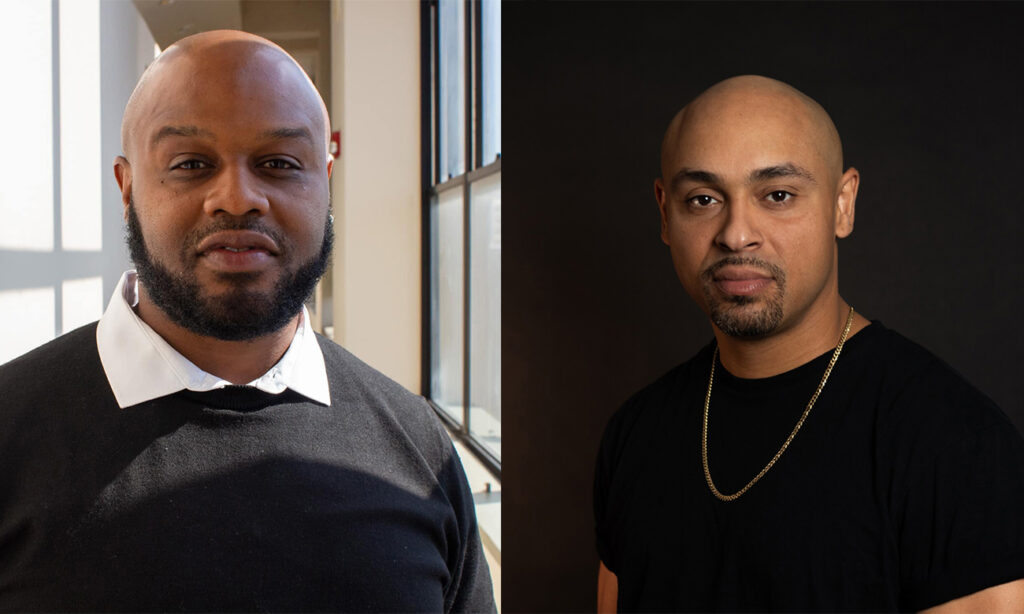
We met as teenagers in a New York state prison, boys sentenced as men, growing up behind razor wire. The courts decided who we were before we could even become ourselves.
Still, we clung to scraps of childhood: arguing about sports, studying, joking to hide fear. Any message to each other that said, “you still matter,” felt like oxygen in a place designed to take breath away.
That shared experience shapes how we understand youth incarceration today: it is a public health crisis. When the criminal legal system confines young people before their development is complete, it exposes them to environments that cause lifelong psychological, physical and communal harm.
We lived, and still live, that reality. New York legislators have a chance to prevent that kind of harm for its future generations.
In prison, childhood wasn’t just delayed; it was erased. José entered custody at 13 at the now-shuttered Vernon C. Bain Correctional Center, a floating jail boat in the Bronx. He was strip-searched by grown men as gates slammed and teenagers screamed before being moved on to Clinton Correctional Facility, one of the state’s most violent prisons.
Hypervigilance replaced sleep. Trauma became routine. Then came the harm that can’t just be walked off. Ten years in, staff assumed severe stomach pain was fake and threatened solitary confinement for José calling it an emergency. Only when neighbors shouted through the night did staff act. Without that intervention, death surely would have come next.
Reggie suffered similarly. After a gruesome knee injury, the prison delayed and mishandled treatment, forcing him to live in the infirmary for 13 months. Permanent nerve damage left him with mobility issues, preventing exercise and triggering chronic conditions he battles to this day.
What happened to us was not unusual. It was a predictable result of incarcerating young people in institutions that are neither designed nor equipped to protect health. Many enter the system already carrying significant trauma, including adverse childhood experiences. Adolescence and early adulthood are periods of rapid brain development, when judgment, impulse control and emotional regulation are still forming. Instead of receiving care, incarcerated youth are exposed to violence, isolation, chronic stress and medical neglect.
The damage follows people home. Many leave with serious conditions and no pathway to care. Prison taught survival, not how to navigate health insurance or preventive medicine. Years later, we still carry injuries, delayed diagnoses, deep distrust of medical systems and post-traumatic stress. Our families and communities carry that burden too.
Reggie writes more about this experience in “The Public Health Impacts of Youth Incarceration,” a recent policy brief he co-authored. The research cited in this brief shows that incarceration during adolescence and early adulthood increases early mortality and worsens mental and physical health outcomes across a lifetime. The harsher and longer the confinement, the greater the harm. Chronic stress floods the body with cortisol and adrenaline, degrading organs, weakening immune systems and shortening lives. These are not abstractions. They show up as emergency room visits, funerals and lost potential.
Policy helped create this crisis, and policy can dismantle it. The Youth Justice and Opportunities (YJ&O) Act recognizes what science and lived experience make clear: emerging adults are developmentally distinct. The legislation would create a “young adult” legal status, expand diversion into community-based programs, limit excessive sentences and seal records to ensure a smoother reentry process. In short, it aligns justice with public health.
We grew up as boys among men, carrying injuries our communities still shoulder. We can keep counting scars, but we’d prefer to count how many young people get the chance to become healthier and safer, and mature into who they’re meant to be. Our society’s most valuable resource is its youth. Their lives — and the health of our communities — depend on the decisions we make now.