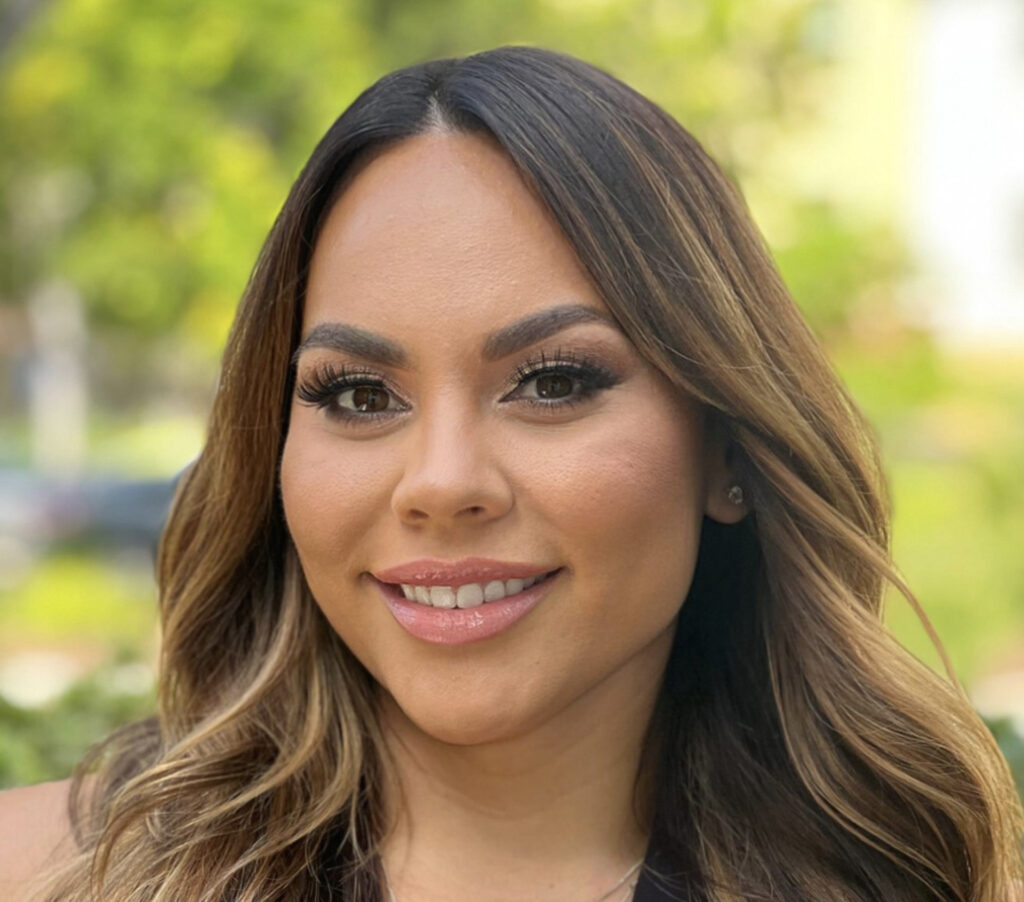

I am a return on investment for American taxpayers.
I was raised by a young mother, alongside my siblings, in public housing. Our family relied on the social safety net: food assistance, WIC, cash assistance, Medicaid, free school meals and summer nutrition programs to support my development. Poverty did not define my childhood because the safety net worked.
Now, I serve as a youth advocate supporting youth who were in the same position I once found myself in.
But let’s be honest: America no longer invests in children the way it once invested in me, and now young people ages 16 to 24 — especially those disconnected from school, work and social support — are being destabilized and abandoned. As a parent who understands the difficulties of balancing the rising costs of living with the changing needs of a young family, my heart goes out to the millions of households struggling to survive.
The cuts Congress has made to important social safety programs over the last year meant to support children and young people transitioning safely into adulthood have been brutal. This raises an uncomfortable question: If children and youth are truly a national priority, why does so little of America’s attention and federal budget go toward supporting them? I fear things will worsen for our nation’s youth in 2026 if leaders refuse to put young people above hyperpartisanship and fail to pursue meaningful policy reform.
Since President Donald Trump’s second inauguration, decades of progress toward advancing equity and access in classrooms across America have come under direct attack. Within weeks of taking office, the President and U.S. Secretary of Education Linda McMahon explicitly stated their desire to destabilize and dismantle the U.S. Department of Education. The president issued an executive order to eliminate the department itself, laying off nearly half its workforce, and closing seven regional civil rights offices even as they faced a record backlog of disability, race and sex discrimination complaints.
When the Department of Education began operating in 1980, it consolidated federal civil-rights enforcement into the Office for Civil Rights. The office has since served as the nation’s primary guardian of equal access and civil rights in education, particularly for Black, Latino and Indigenous students, English learners, and youth with disabilities. Now, we have fewer protections in classrooms for young people, weaker civil rights enforcement and school systems operating with diminished federal support.
The notion that state systems can simply take over the department’s federal responsibilities ignores the fact that many state education agencies are already under-resourced, overextended and have track records of failing to provide equitable access to services on their own. The challenges are particularly acute within the special education field and school districts in rural areas.
In July, the situation grew even more dire for young people and their families with the passage of H.R.1, the federal budget reconciliation bill. That law severely weakened the nation’s social safety net infrastructure by decimating both the Supplemental Nutrition Assistance Program (SNAP) and Medicaid, lifelines that keep millions of young people healthy, fed and stable. These cuts will disproportionately impact young people and families suffering from poverty, further disrupting their learning and compounding the inequities their schools already struggle to address. Furthermore, SNAP provisions that were once in place for former foster youth, like exemptions for work requirements, were also lost. Those young people are now susceptible to food insecurity as they are more likely to experience gaps in employment.
If things were not already difficult, the government shutdown deepened the crisis facing much of America’s youth. As funding lapsed, delays at the Administration of Children and Families and the U.S. Department of Housing and Urban Development disrupted payments for foster care, shelters and housing vouchers. These disruptions forced many youth who had little to begin with to make impossible choices, like returning to unsafe homes, trading safety for survival, or risking living life on the streets.
These challenges stall growing up. As a criminologist, I recognize that system failures, like severe federal funding fluctuations, inflict disproportionate harm on Black, Latino, Indigenous and immigrant youth, subjecting them to cycles of surveillance and punishment. Urban Institute research shows LGBTQ+ youth are frequently subjected to criminalization for engaging in survival behaviors that stem from systemic neglect and lack of supportive resources. The administration’s cuts over the last year only make these populations vulnerable to even more injustice.
It saddens me to say the outlook for our nation’s young people in 2026 is increasingly grim. Proposals to weaken the Affordable Care Act (ACA) will make matters worse. At the end of 2025, enhanced ACA marketplace subsidies expired, resulting in higher premiums and out-of-pocket costs for millions of enrollees in 2026. At the same time, Congress has already authorized new Medicaid eligibility restrictions and administrative barriers to coverage through H.R.1, including work requirements for people between the ages of 19 and 64 years old. Together, these disastrous actions pose an immediate threat to young people and their families.
If we fail to intervene now, these compounding issues could deepen opportunity gaps from childhood through young adulthood, making it nearly impossible for disconnected and systems-impacted young people to navigate hardship and achieve stability in their lives.
Youth advocates must take action on Capitol Hill and in statehouses nationwide. As workforce reductions continue at the Department of Education as part of the latest efforts to dismantle the agency, we can anticipate additional stress on our public education system and widening equity gaps in K-12 schools. The decision to disinvest in education, health care and social safety programs reveals what our leaders truly value and who they deliberately leave behind. Every funding decision impacting young people is a message about their perceived worth.
At Children’s Defense Fund, we see this all as a profound failure to protect the welfare of our nation’s children and youth. The way forward requires us to build institutions that truly support all young people, ensuring they have the stability, opportunity, knowledge, skills and sense of purpose needed to thrive and grow regardless of political shifts in Washington.