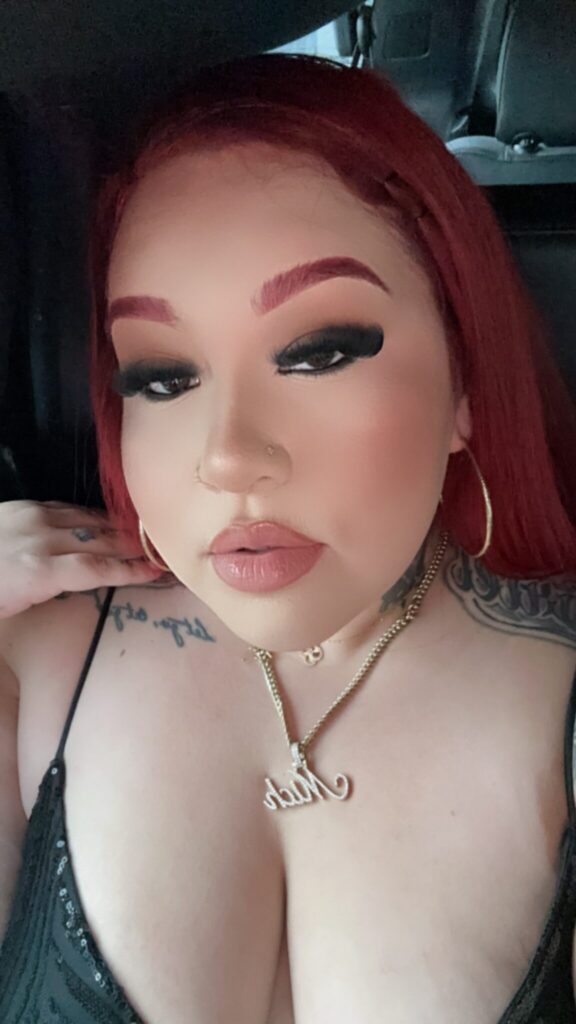
My mom always told me to “breathe in the good and let the bad go.” I try to pass that on to my kids, especially my older son who is learning to live with a life-long health condition. I want him to grow up believing that what he can’t change can still be his superpower.
But it’s hard to hold on to that belief right now. We are living in a dark time as a nation. We have a government that is making it harder for families to survive, let alone thrive. The “big, beautiful” federal budget bill is devastating families and children. It cuts Medicaid, food and other programs that families rely on to make ends meet. Meanwhile, it pours billions of dollars into immigration enforcement that cuts families off from vital services and rips them apart through detention and deportation.
These actions are not just policy choices. They will determine whether a parent can take their child to the doctor or put food on the table. They make families more vulnerable to involvement with the family policing system — a system that routinely removes children for conditions related to family poverty and regards it as neglect. Taking kids away from their parents causes lasting harm, no matter how brief the separation.
These cuts could also cause more children to be institutionalized in the same damaging settings that failed me as a teenager. These are places where no child belongs. I know because, from the age of 13, I lived in congregate facilities in New York — places that promised healing but delivered trauma instead. I was assaulted by other youth and ended up in the hospital, but no adult ever talked to me about it or fought for me. They never even told my mom. The message was clear: safety isn’t guaranteed, and no one is really listening. Living in these facilities meant staff controlled every aspect of my life, from when I ate and used the bathroom to who I could talk to. Violence and bullying were constant threats. There were many days I felt like I was in jail. I was abused and mistreated and signed myself out as an act of survival at the age of 18.
The reality of growing up in congregate settings is grim. I still carry the scars, and I’m not the only one. About 2,000 New York children live in congregate placements. Black, brown, and LGBTQ+ youth are overrepresented. The impact of institutionalization on children is well-documented and tragic. The damage to their mental health can last a lifetime, leaving them more vulnerable to anxiety and depression, ill-equipped for future education and career opportunities, and unprepared for independent living. There is nothing that happens in there that heals or mends children — just the opposite. They get angry, learn bad behaviors, and/or shut themselves down. When children are institutionalized, parents suffer too. Their faith in themselves and their ability to care for their children is stripped away by a system that defines poverty as neglect and control as care. When we aren’t heard, and people stay silent and ignore our pain and stories, the harm gets worse. To be listened to is powerful and is the first step toward healing and change. It’s what every young person deserves.
That’s why I fight for it now as a member of the Are You Listening Collaborative, a statewide initiative led by youth with lived experience, pushing to end the institutionalization of children. New York, along with other states, has been making efforts to reduce family separation and restrictive placements that can follow, but the percentage of children and youth living in group settings hasn’t changed. Now, as budget cuts force greater numbers of families into poverty, the risk of institutionalization is growing again. This is why the Are You Listening Collaborative is calling for change. We’re urging New York to close group shelters for youth in the system, end the placement of children under 13 in congregate settings, and support families by investing in local, community-based supports that keep children safe at home and not institutionalized.
I am, at heart, a woman of optimism. I believe deeply in transforming pain into purpose and turning bad into good. I refused to let the dark world I grew up in define me, and that is what Are You Listening stands for. My hope is that in this moment of reckoning in our country, the question of whether we truly cherish and value our children doesn’t get lost in all the noise. There has never been a more important time to listen, to learn and to turn what’s broken into something better for children and the families who love them. If we really want to help children heal, we have to stop funding institutions that harm families and start investing in communities that hold them together.