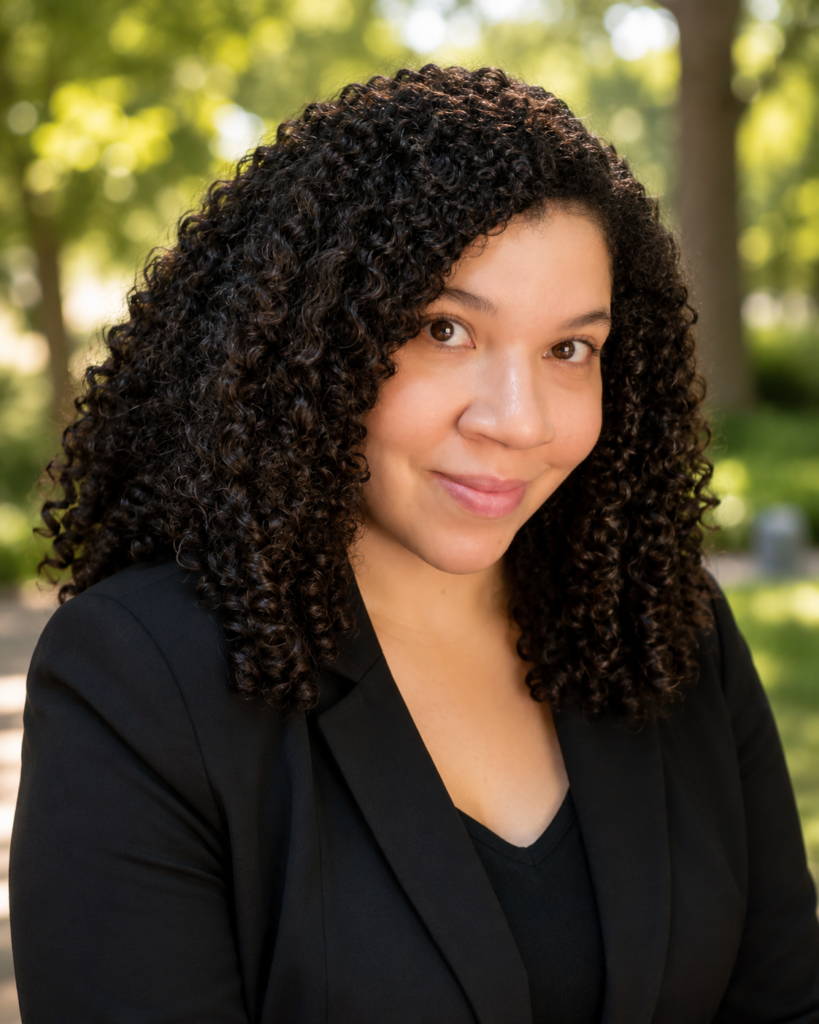


At 30 years old, I am finally sharing my story not because the pain has ended, but because silence allows the foster care system to keep failing the very youth it claims to protect.
I entered foster care at 10 years old after being abused by my aunt, someone who was supposed to keep me safe. Instead of receiving protection and stability, I was removed from my family and placed with strangers, thrust into a system that demanded resilience while offering very little support. From that moment on, I lived in constant fight-or-flight mode, navigating trauma without a safety net.
When I asked for help, no one listened. The system that was meant to protect me failed my mental health, my safety, and my overall well-being. All I wanted was to belong, but instead, my innocence was taken. During my time in foster care, I became a survivor of human trafficking and domestic violence. I also experienced teen pregnancy outcomes that are far too common among foster youth and rarely discussed outside of crisis moments.
At 18, I aged out of foster care into homelessness. I was also a teen mother, expected to suddenly navigate adulthood without guidance, housing, or financial stability. There was no transition plan that truly prepared me for independence, and no consistent adult to turn to for support. This is not a personal failure. It is a systemic one. Too many foster youth are released into adulthood with little more than a goodbye and a list of resources they are expected to navigate alone.
Despite this, I am proud of who I am today. For more than a decade, I have used my lived experience to advocate for foster youth and young adults impacted by the system. I have worked to influence policy changes that improve outcomes for youth transitioning out of care because I know firsthand what happens when the system stops showing up.
Foster care reform must go beyond short-term safety and focus on long-term stability. Youth aging out of care need guaranteed access to housing, mental health services, education support, and consistent adult relationships. Preparing young people to survive is not enough. We must prepare them to thrive.
Too often, foster care success is measured by compliance rather than well-being. Did the child attend school? Did they follow the rules? These metrics ignore the deeper impacts of trauma and instability. Healing does not end at 18, and support should not either.
My story is not unique, and that is the problem. Former foster youth are disproportionately represented among those experiencing homelessness, incarceration, and economic instability. These outcomes are not inevitable; they are the result of policy choices that fail to prioritize long-term care and accountability.
My story is a call to action. Policymakers, child welfare agencies, and communities must listen to those with lived experience and invest in solutions that center dignity, stability, and healing. Foster youth deserve more than survival stories. They deserve systems that work.
I survived foster care. Others shouldn’t have to.