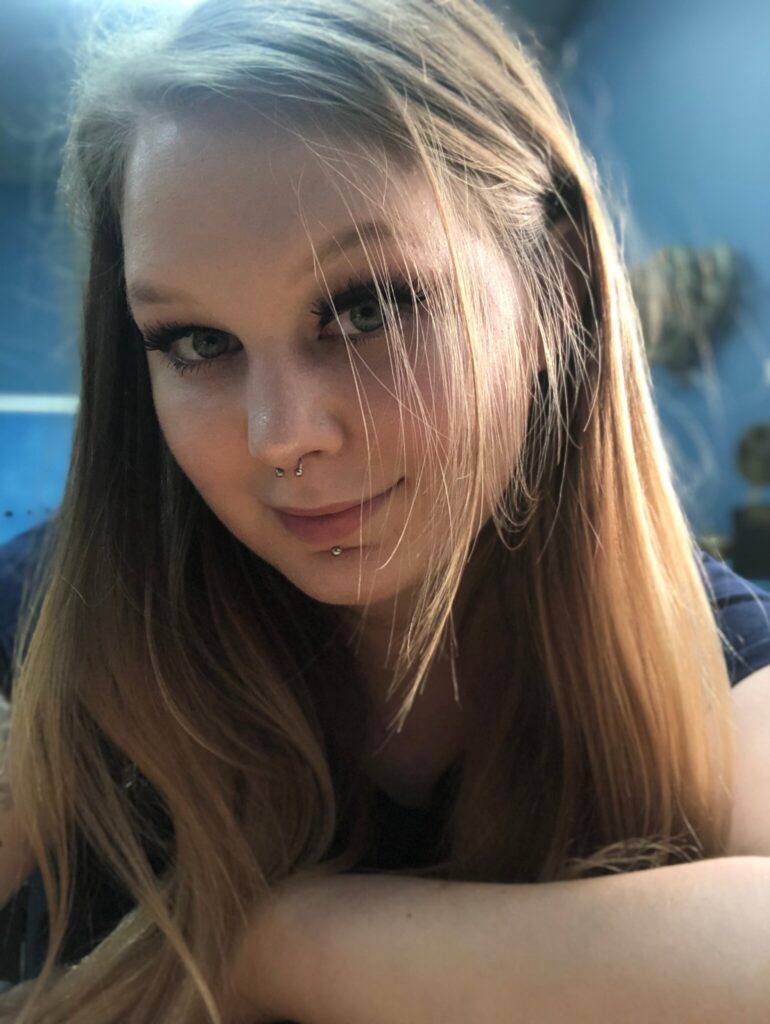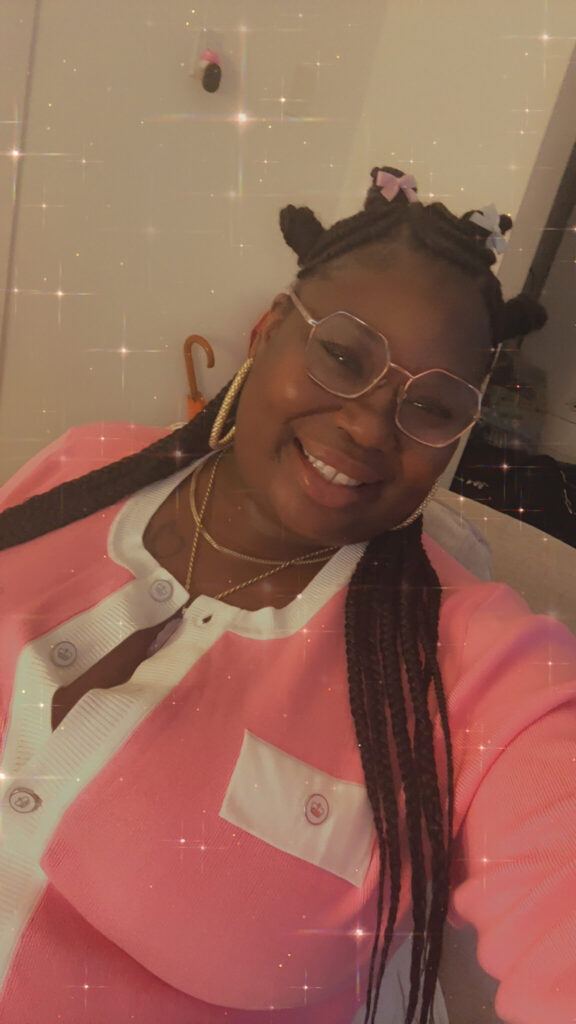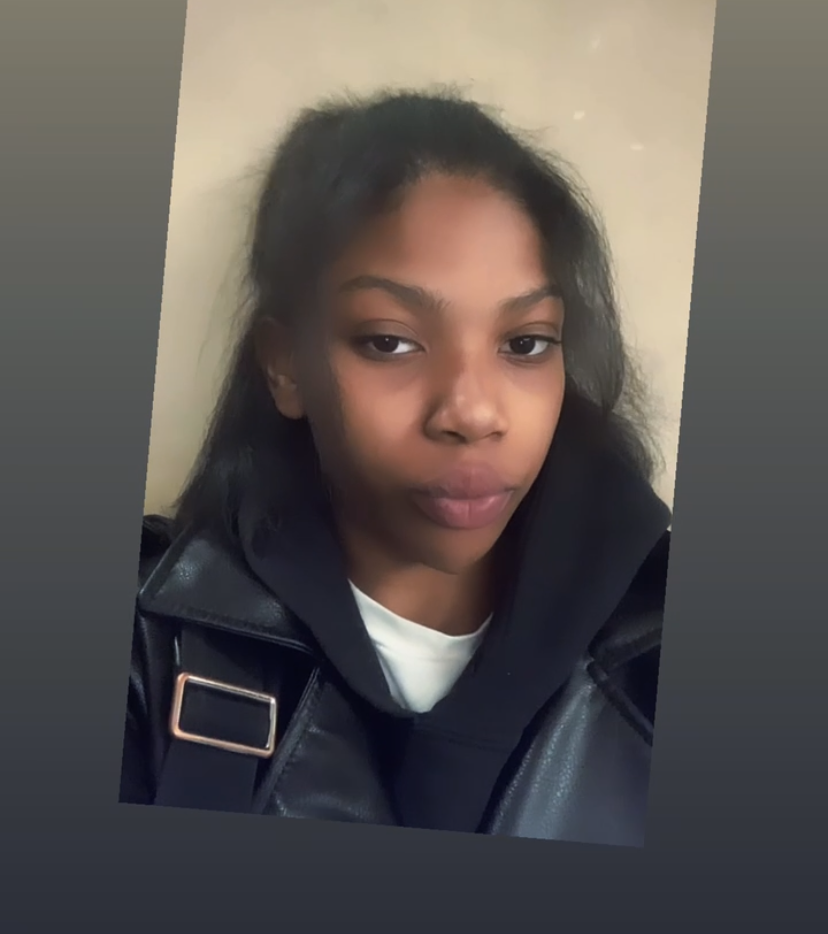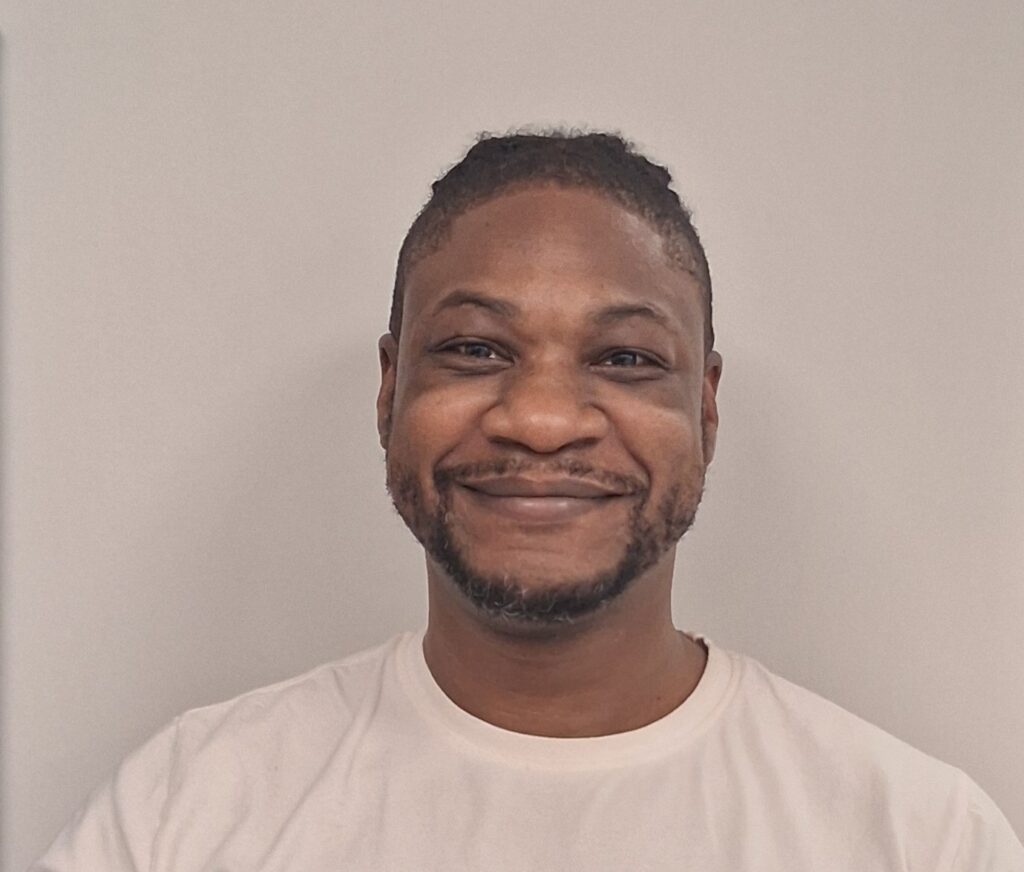

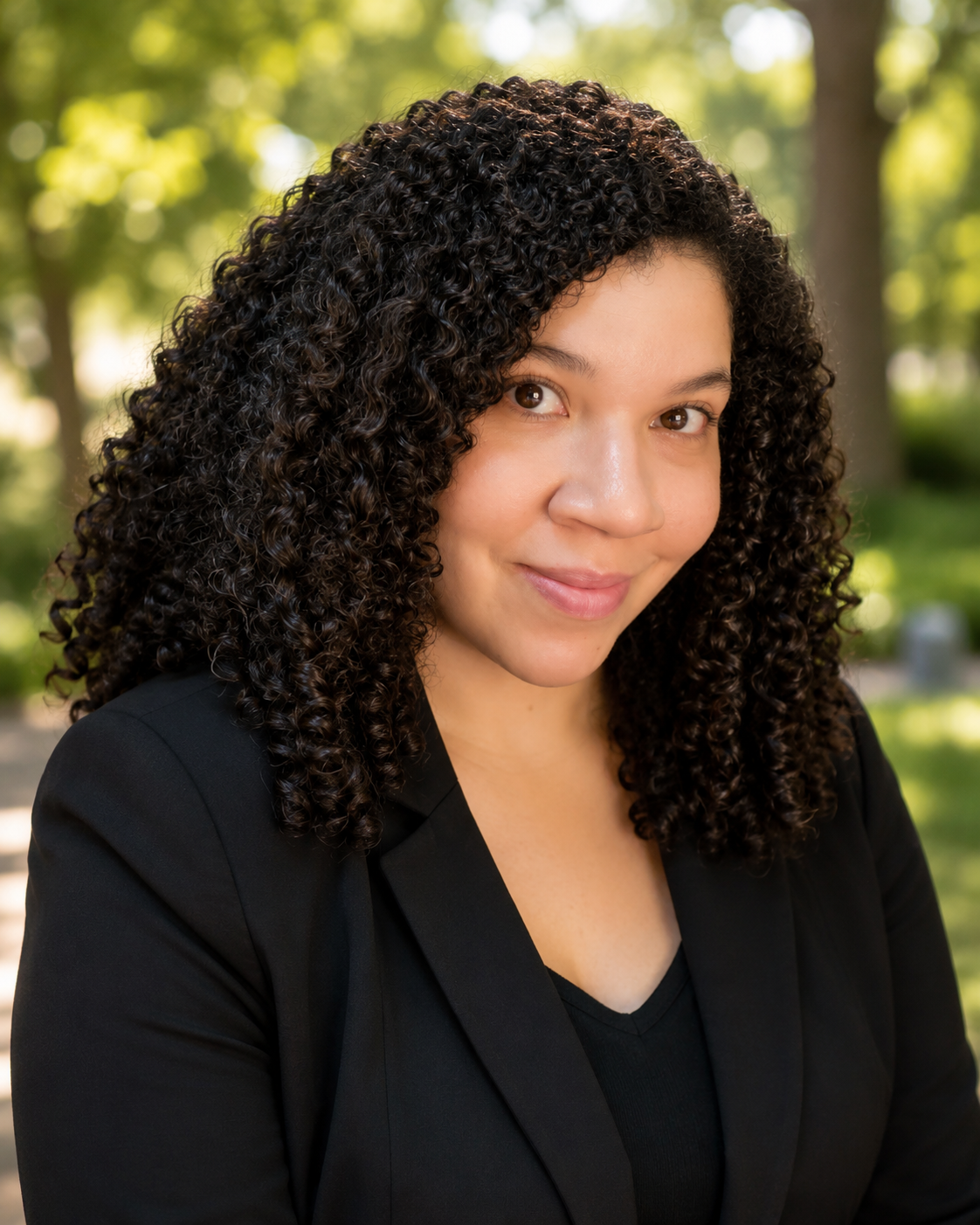
On February 19th, 2026, I participated on a panel hosted by Youth Voices Rising titled “Love Shouldn’t Hurt: How Lived Child Welfare Experience Shapes Romantic Relationships.” Being a part of this discussion was empowering because I was surrounded by other young professionals who were impacted by the child welfare system in various ways, but are currently thriving. However, it also made me reflect on my own experiences with dating while in foster care and after emancipating.
I once hosted a webinar for friends that I called “Hopeless Romances: The Many Failed Relationships of Sky Lea Ross.” The reason I made this presentation was because a friend and I were joking about creating a PowerPoint presentation of our many romantic pursuits, but she never did it and I did! I ended up presenting it to a few close friends, and it was fun and quite emotional.
It’s true. I have had many romantic conquests in my short lifetime. A large majority of them were unsuccessful. But I consider every failed relationship a lesson learned.
You see, when you are a product of foster care, you usually come from a broken home, a dysfunctional family, or a childhood full of trauma. This shapes who you are as a person in adolescence and onward throughout adulthood.
You start to repeat patterns from the past, often unconsciously.
Attachment theory, made famous by psychotherapists John Bowlby and Melanie Klein, posits that we develop connections with others based on the connections, or attachments, we’ve had with our earliest caregivers (i.e. our parents or legal guardians). These lead to us developing an “attachment style.” If you have a healthy relationship, you develop a secure attachment style, meaning you are safe & supported in this relationship & behave accordingly. But if your attachment style is insecure, it becomes problematic & can negatively impact your ability to create healthy relationships in adulthood.
I was placed in foster care at 16 after a long, tumultuous childhood full of abuse, neglect, molestation, deprivation, and trauma. This caused me to feel like I had a hole in my heart, and I was desperate to be loved. I felt unwanted and forever alone. I dreamed of finding a significant other. I felt that if I could just find someone to love me, I would be happy, and that void would be filled. But my desperation to fill this void caused me to look for love in all of the wrong places.
I dated a lot of different guys in high school, and there was a lot of unrequited love. I write about this in my first poetry collection, A Root that Sews. I often had crushes on or feelings for people that didn’t like me back or reciprocate. At the time, as a young woman, I attributed it to being ugly, fat, or unworthy of their love. I blamed myself for being unwanted because that’s how my egg donor (i.e. my nickname for my biological mother) made me feel. Not having her love early on in life caused me to constantly seek it from others, and when I was continuously rejected, I blamed myself.
This, unfortunately, followed me into adulthood. I went on a dozen or more dating apps, desperate to find the right person. Instead of love, I was met with unsafe situations.
My first adult relationship was with a man I met on OkCupid. We sent over 100 messages to each other and had amazing conversations before we met in person. I thought he was my soulmate.
Fast forward a year later, we had been discussing moving in together as I was living in transitional housing and had a move-out date. He knew that when I aged out of the program, I would need to move in with him. I thought this was a dream that we shared because we fondly discussed our plans and how it would be so nice to live together.
Well right before my lease was up, he decided that he had changed his mind. He said that he talked about it with his best friend and realized that it wasn’t “mandatory.”
He had three specific reasons for why he was choosing to not move in with me: finances, family, and comfort and familiarity.
He had a privileged life and was able to live with his family rent free. They also offered to pay for his education, and he had lived in the same home for over a decade.
These are luxuries that I just didn’t have. I didn’t have a family to live with. I didn’t have anyone paying for my education. And I had moved around so much in my short lifetime that there was no stability or reliability.
I thought that he understood that by not moving in together, I was at risk of becoming homeless, an experience I did not want to repeat as I had been couch-surfing one summer during my undergraduate studies, and it was extremely traumatic.
But this is what most people, those who have never been impacted by foster care, don’t understand. Most young adults take for granted having parents to rely on, a place to live, and financial support. Many of us who are foster care alumni don’t necessarily get to have any of these things in early life or even later on.
I left that relationship broken hearted, but only to end up in worse situations.
I dated a classmate at one point, someone who I bonded with over shared childhood trauma. But he was emotionally unavailable and refused to commit to me, another rejection that simply reinforced my earlier insecurities of being unwanted, ugly, never good enough, and unloved.
He ended up ghosting me for six months, causing me to fall into deep despair with what felt like the worst depressive episode of my life. I went from seeing him a few times a week and texting daily to being blocked and ignored. I developed a fear of abandonment that I never had before.
Because of this, I grew even more desperate, and then met a man at a nightclub who ended up being my worst conquest yet. I entered into a toxic relationship with a malignant, covert narcissist who emotionally abused me and refused to take me to the hospital when I was in urgent need of immediate medical attention.
That was my rock bottom. That was my biggest lesson learned the hard way.
I stepped away from dating for three years to recover from all of the trauma.
These are the types of experiences that former foster youth can have in adult relationships. It feels that our upbringings can set us up for disaster.
Knowing all of this, it’s no secret that my attachment style with both of my parents was “avoidant.”
But I’m here to tell you that we’re not doomed.
Though attachment styles are formed in childhood and set the stage for the way we relate to others, they can shift and change over time.
If you simply have one healthy relationship with a trusted adult in childhood, just one, you can have secure attachments with others.
In foster care, I met my incredible foster mother, Mrs. Jackson, who I am still close to. I also went to therapy.
This has tremendously changed my life, and I’m happy to say I am currently in a long-term, committed relationship with an amazing man. We will be celebrating our four-year anniversary later this year. This is the healthiest and happiest relationship I’ve ever had! I am surrounded by awesome friends who are my chosen family and make my life worth living.
So, use my lessons learned as a cautionary tale. As I reflect on my love life, I want others who are currently in the foster care system or just transitioning out to know you can find love. Like the panel was titled, it shouldn’t hurt. It is real, and it is out there. But you have to do the work of loving yourself first, healing from your childhood wounds, and recognizing red flags. This can be done in many ways, including therapy, reading self-help books about healthy relationships such as texts written by Dr. Ramani Durvasula, Mark Manson and Don Miguel Ruiz, and practicing self-care. We are not doomed. We are worthy and deserving of love, whether it is romantic, platonic, familial, or all of the above.