This piece is published in partnership with Foster Advocates.
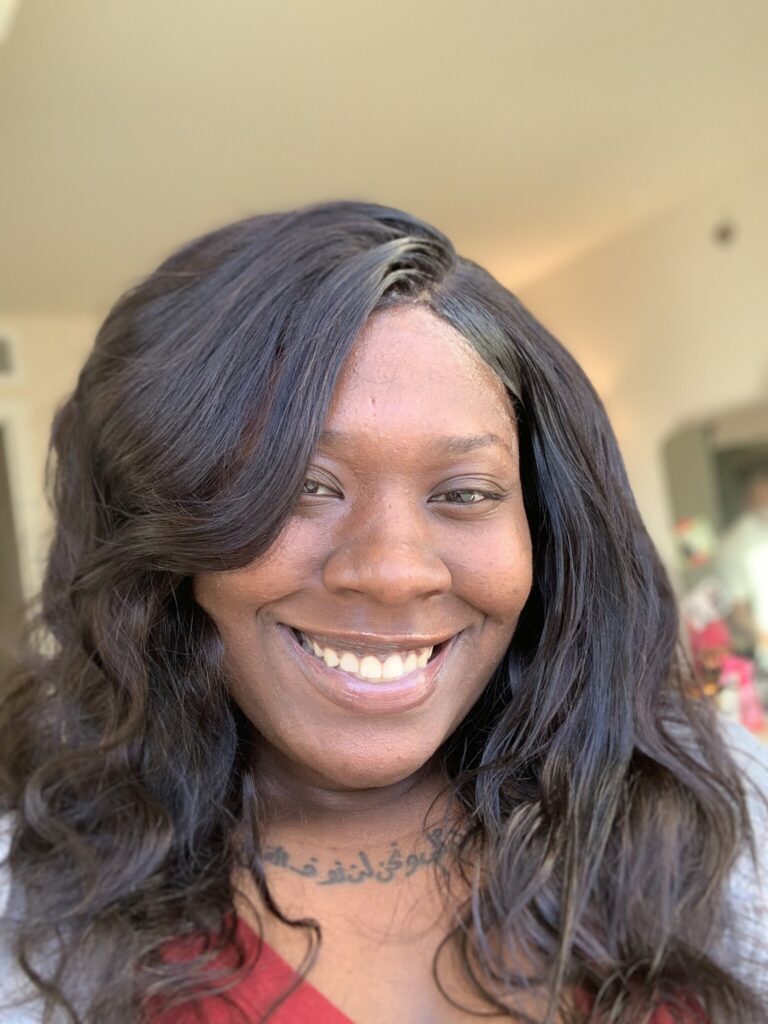
When you think of the system, what do you think about? I never really thought anything about the system before entering care because it wasn’t my world. But once it involved me, I was very confused about what it was. As long as I can remember, I have been in the system. I don’t really know anything different. I went from exposing my family secrets to being taken from my safe place.
Through the years, I was angry and didn’t know how to control my feelings. I was confused about why my life turned out like this. I felt unloved. I didn’t feel seen at all. I didn’t know how to regulate my emotions or express how I was feeling. I was still processing the pain of my trauma, but I didn’t have anyone to really guide me.
I moved around so much throughout the years of being in the system. I never really was able to keep friendships or relationships I had with people. It was one of those things where I saw them as temporary memories — one minute, they’re here, and the next, they’re gone.
This had a huge impact on my adult life. It was hard for me to know what a healthy relationship was and wasn’t. I accepted anyone who wanted to be around me or be my friend. But as soon as I got too close, I would push them away because I was used to leaving.
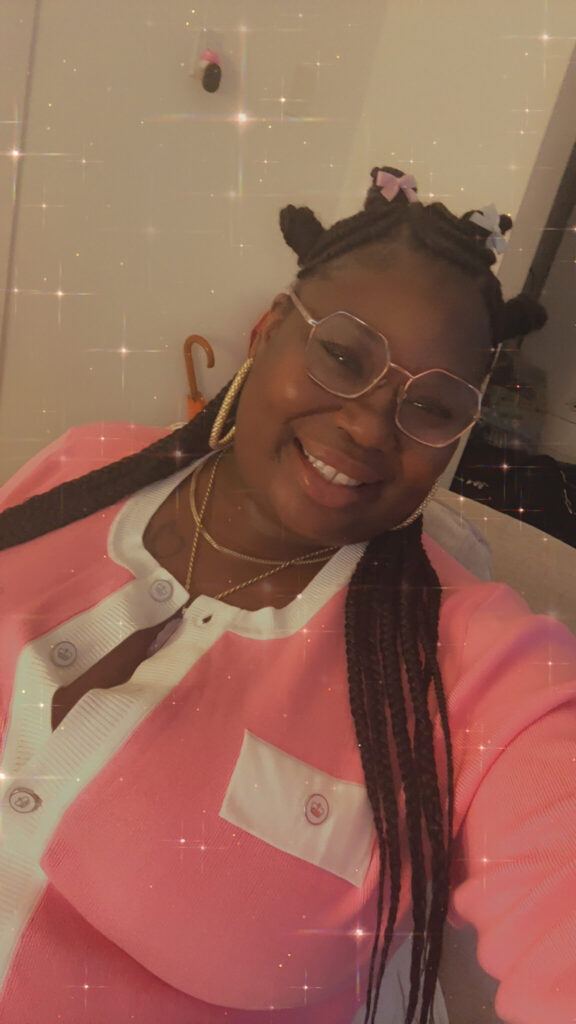
One day, I woke up and told myself that I didn’t want to be a part of the system anymore. I didn’t want anyone to see me as this poor foster child. I hated people feeling sorry for me. I didn’t want anyone to see me as a sob story. I wanted people to know my trauma made me resilient, made me strong, and made me who I am today. I wanted to be known as Aleesha — and only Aleesha.
My first introduction to public speaking was when I was around 17 or 18. Once I learned how to tell my story and advocate for other youth, I was on a roll. Every opportunity that came my way, I was front and center, speaking my truth and giving advice.
One of the things I most enjoy about public speaking is meeting other youth, connecting with others, sharing our stories, and bonding over trauma. I love hearing others’ truth and sharing ideas and things we could do to make it better.
One of the things I did while on my journey was make goals for myself of how to leave this system behind. I told myself once I was old enough to work, I was going to work, save, and plan to move out. I enrolled in college after graduating high school so that I’m able to get a higher education. I did therapy and different healing groups to heal from my trauma. I told myself, “I’m going to make it out of this, and I won’t let the system discourage me.”
As I grew a deeper love for public speaking and advocacy, it became a mission for me to change the system and make it better. I knew it was gonna take time, hard work, and dedication. I knew it wasn’t gonna be an easy task, but I was determined to do whatever I can to make future Fosters’ lives easier.
This has been my life’s work since I was 18 years old. Anything that I do or am involved in is around making the system better, telling my truth, and stating the truth about the system. It’s not about sugarcoating anything, but really being transparent and having those hard conversations.
My only goals after being in the system are making a change and showing people who have these stereotypes against Fosters that we can be successful and can make it out. I love being a leader for other youth. I love sharing resources and just helping other Fosters because I know how it is. I know the struggle and what Fosters go through.
I think I love these types of connections because I didn’t have it when I was in foster care. So when I connect with these youth and help them or give them resources, it heals the part of me that’s not healed. I love being there for others. I love just giving the love I didn’t get.
Hearing that the system is still messed up makes me motivated to change it. It makes me want to go harder for those youth. The level of love I have for the system is a different type of love. It’s hard to explain. Despite everything I’ve been through, I don’t entirely blame the system. The system is what made me who I am today, and, for that, I don’t regret anything.
As Fosters, we have to want to do better for ourselves and make the system see us as youth who can overcome everything we’ve been through. As Fosters, we are stronger.