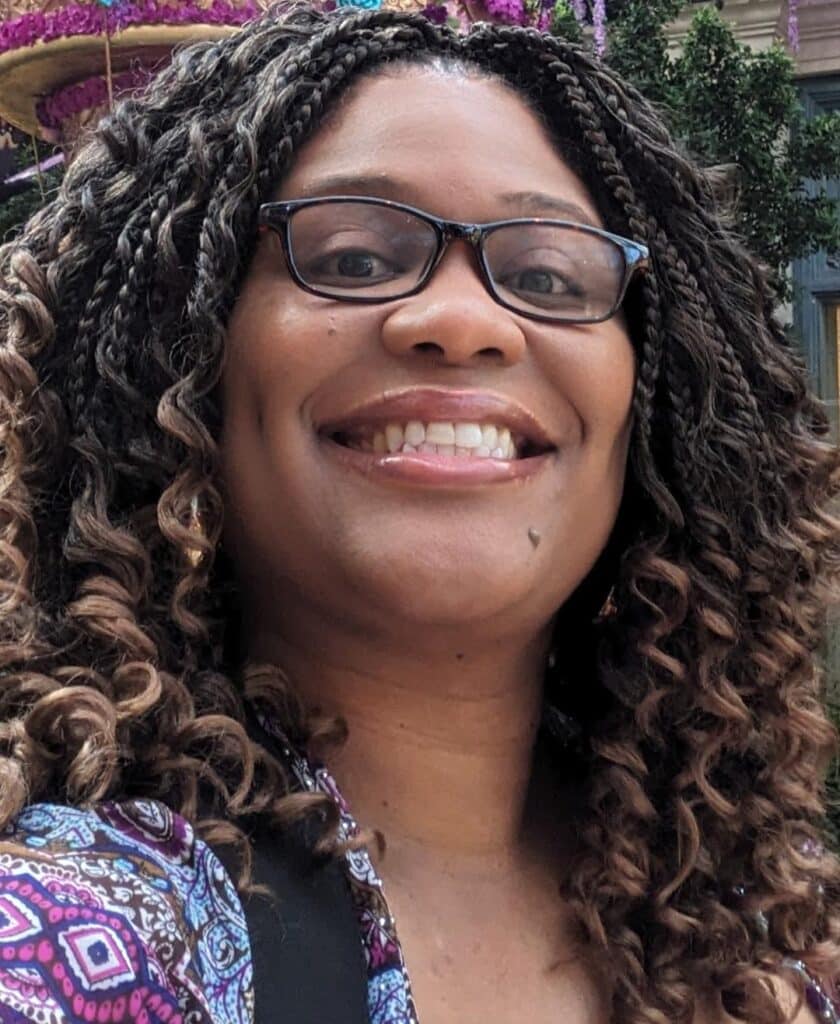
My career as an advocate for foster children began when I was 14 years old after I entered the Independent Living Program. I didn’t know how important a support system would be when I transitioned into high school and began thinking about life after high school. After having experienced the world of foster care without support systems in place, I quickly recognized the value of Georgia’s Independent Living Program. At that point, I began telling other foster youth about the Independent Living Program and encouraged them to get involved. I also helped them get involved by connecting them to the local Independent Living Program coordinator.
It was my first attempt at preserving the rights of others. Little did I know this work was not only advocacy, but also the beginning of a lifelong career in social activism. Today, I advocate for the rights of foster children and for the rights of parents. I didn’t realize there would be a natural transition from working to preserve the rights of children as a youth to working to preserve the rights of parents as an adult and parent myself, but that makes perfect sense.
While in the foster care system as a teenager, I learned a lot about the foster care system and how children end up in foster care. Contrary to the assumptions the general public may have about why children end up in the foster care system, all children do not go into the system because they were abused or neglected by their parent(s). In fact, children can go into the foster care system for an abundance of reasons, including the death of a parent, being ostracized by their family members because of their sexual orientation, behavioral issues their parents aren’t able to manage, and as a result of direct retaliation because their parents are activists in spaces that denounce the foster care and family policing systems overall. That is, one cannot always assume it is definitively the parent’s fault their child or children are in the foster care system, and the general public should know every foster child and parent’s situation is different.
The general public should also not assume that once a child enters the foster care system, they are safer or placed in a position to become safer. In my personal experience, I was never told or taught what safety in the foster care system is, was, or should be. Furthermore, I was never afforded a conversation about how to protect my rights as a foster child and how to file a complaint if my rights were being violated. I also never heard or learned anything about the rights of parents who, in many cases, may still be present in the lives of their children.
Not knowing how to preserve my rights as a youth and that parental rights existed has negatively impacted my life, resulting in an estranged relationship between me and my two daughters. As someone who was in the foster care system, no one would have ever been able to make me believe I would ever have an estranged relationship with my own children. The last thing I would ever want to do as a parent is have my children grow up without me in their lives.
My belief is that people who were in the foster care system should and can be the best parents because if anyone would understand the challenges of the foster care system, it would be us. I’ve never been the advocate who wouldn’t speak up about what was needed for foster youth and not go out of my way to make sure my own children would never be in the kind of situation that would leave them deprived of having their many needs and wants met. Additionally, as someone who was in foster care, I know how to protect my home from being investigated and how to protect my children from entering the system. However, I realize, like I once was, many parents do not have this knowledge and need peer parent advocates like me who support them and who are in their corner to help them learn their parental rights, keep their children out of foster care, and to possibly hold them accountable for being the responsible parent their children will respect and admire.