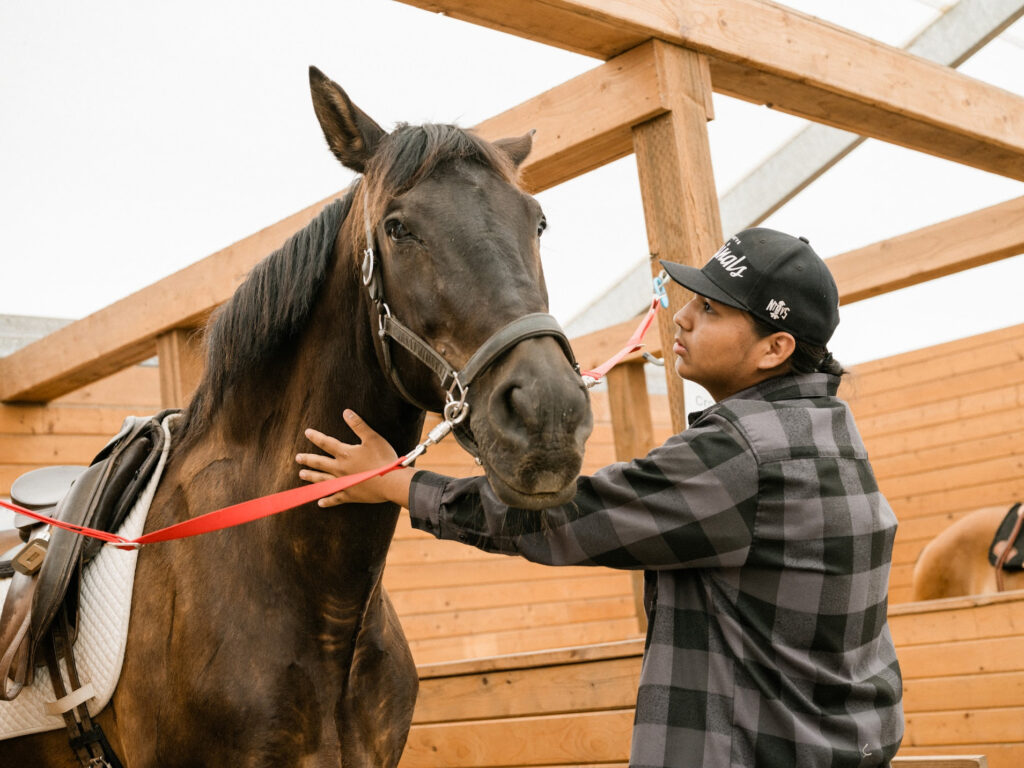

A selection of The Imprint’s most impactful stories from the past year

For decades, the Indian Child Welfare Act has required systems to make “active efforts” to keep Indigenous families together and reunite them when separation is deemed necessary. That differs from the standard federal expectation that child welfare systems make “reasonable efforts” at those pursuits.
In 2024, for the first time, a few states moved toward establishing an expectation of active efforts for most or all of the children and families involved with child welfare cases. The highest profile of these laws was the Minnesota African American Family Preservation and Child Welfare Disproportionately Act, a long-sought piece of legislation in Minnesota aimed at addressing the disproportionate involvement of non-white youth in the state’s foster care system. After several years where the bill failed to move out of committee, Gov. Tim Walz signed a more expansive version of it in July.
BEFORE YOU GO… If you learned something from this article, pay it forward and contribute to The Imprint. Our work is funded by readers like you who are committed to unbiased journalism that works for you, not for the algorithms.