

The Imprint was fortunate to feature dozens of perspectives and analyses in our Opinion section this year. The following is a selection not necessarily of the best 10 pieces from 2024, but strong work that captures the breadth of topics within child welfare and youth justice that were written by Imprint columnists this year.
California Governor’s Budget Breaks His Promise to Older Foster Youth
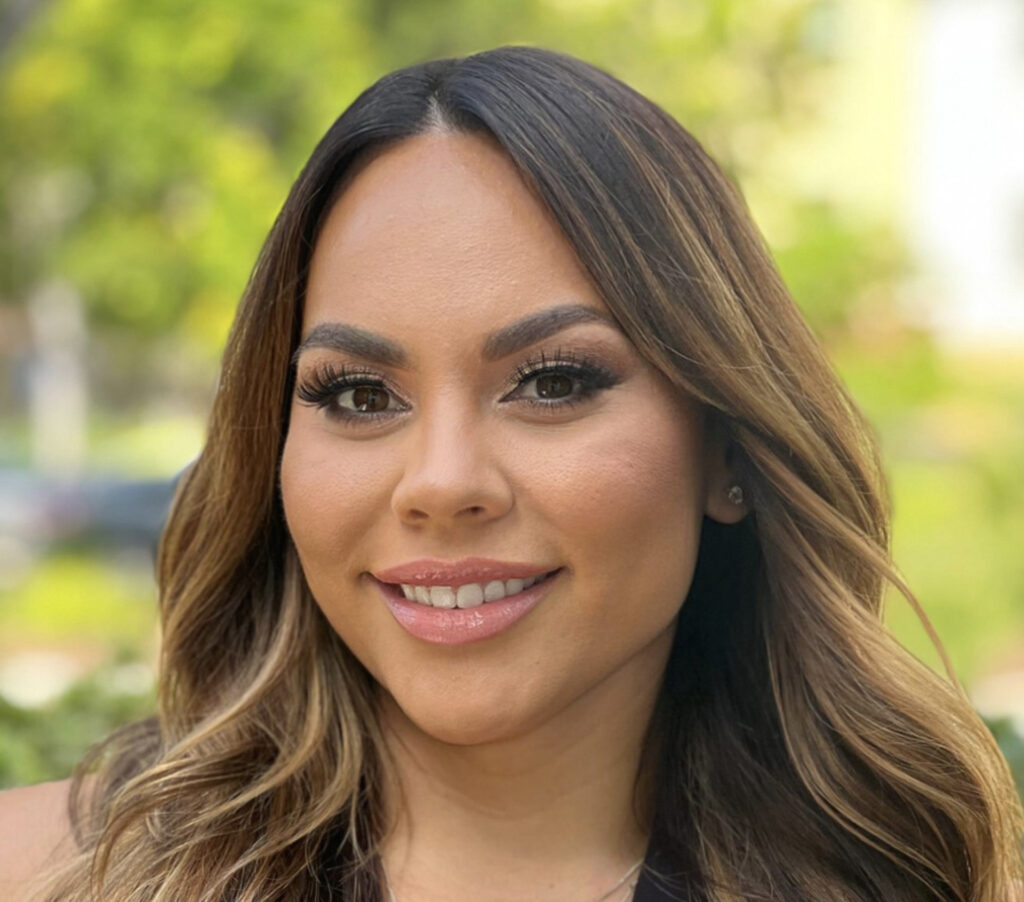
Carolyn Travis, a community advocacy coordinator for California Youth Connection, used California’s subsidized independent living program to propel herself from college to career. She writes about the danger of letting the program fall behind the market rate for rent in some of California’s most populous metro areas.
Disproportionality in Child Welfare: Fruit of a Poisonous Tree
BJ Walker has led child welfare agencies in two large states. She writes that despite decades of observations and data documenting disproportionality patterns for Black children and families inside child welfare, “we have spent more time watching those numbers than we have understanding what it will take to significantly change them.”
Let’s Be Accountable About the Word ‘Accountability’
On a basic level, most adults understand the concept and meaning of accountability. But Robin Campbell, a communications and strategy consultant with decades of experience in the criminal justice sector, writes that its use as a term of art in juvenile justice has been problematic. Writes Campbell:
“Clearly, ‘accountability’ is a popular word. But what, exactly, does it mean — especially in the context of juvenile justice? What I have witnessed in Maryland persuades me that the word is deeply problematic and could be beneficially replaced by language that is more precise, more measurable, and more likely to deliver positive outcomes.”
Foster Care Panic in Minnesota? Not So Fast
Minnesota has in the past seen sharp spikes in foster care entries following press coverage of a tragic child fatality, writes Richard Wexler of the National Coalition for Child Protection Reform. But recent media scrutiny has not yielded such a reaction, Wexler writes, “due in part to the state’s mobilized family advocacy and family defense movement, a new understanding of racism in family policing, and an innovative legal action.”
A Rare Glimpse of American Unity
Polarization is a reality for many aspects of American politics and policy, including in the child welfare realm. But as Jeremy Kohomban of the Children’s Village and Jedd Medefind of CAFO explain, a major survey attitudes about the system reveals that for many Americans, there is simply a desire for systems to balance child safety and family integrity.
“The time is ripe for leaders to work across typical fault lines to weave a new narrative for child welfare in America — framed by hope, compassion and the enduring commitments of the American people,” they write.
Paul DiLorenzo, a child welfare consultant and a senior fellow for the Child Welfare League of America, writes that the idea of steadily improving the child welfare system has fallen out of favor. He argues that the incremental progress of the past decades bodes well.
“The foundation on which we build a new and different approach to child welfare should be informed by our past mistakes, best practices and noteworthy improvements,” DiLorenzo writes. “I’m not suggesting we put off what needs to be done, but making the argument for clarifying what specifically needs to be done next.”
We’re Building On a Bad Foundation
Jessica Pryce, project director for the Alliance for Workforce Enhancement at the Florida Institute for Child Welfare, takes a different view of system change within child welfare, comparing reform efforts to date as akin to a popular game.
“The conventional strategy for playing Jenga — to never disrupt or disturb the foundation — is a powerful metaphor for the enduring challenges in the American child welfare system,” Pryce writes. It is imperative, in her view, to question and change the underlying foundation of the system.
A Vision for Progress, Not Regression, on Youth Justice
Gladys Carrión, co-chair of Youth Correctional Leaders for Justice, led juvenile justice systems for New York state and New York City. She writes in fear that without a strong vision for continued investment in community solutions, America may unwind decades of de-incarceration for youth.
“We’ve tried that route before and we know it doesn’t work,” she writes. “Now is the time to build on the lessons of two decades of transformation, not abandon them and another generation of children.”
Why is National Child Welfare Leadership Silent on Child Deaths?
It has been nearly a decade since the National Commission to Eliminate Child Abuse and Neglect Fatalities called for better collection of data about child abuse and neglect fatalities. But little progress has been made, write Emily Putnam-Hornstein of the University of North Carolina and Sarah Font of Penn State. They argue that many national leaders on child welfare have gone silent on the subject of child deaths.
“Reducing child abuse and neglect fatalities must reemerge as a U.S. policy priority, starting with timely data, public accountability, national leadership, and candid discussions about child safety,” they write.
Increase Kinship Care, but not Through Diversion
Sharon McDaniel, founder of A Second Chance, Inc., celebrates the growing movement to rely on kin when child welfare systems decide a child cannot stay safely in their home. But, she writes, they should do it with full support and not through the diversionary practice of hidden foster care, where caregivers might not be personally or financially supported by the system for their efforts.
“One of the most troubling aspects of hidden foster care is the significant barriers it creates to family reunification,” she writes. “Without court-ordered case plans, families are often left to navigate an opaque and unregulated system, with no clear pathway to bring their children home.”
BEFORE YOU GO… If you learned something from this article, pay it forward and contribute to The Imprint. Our work is funded by readers like you who are committed to unbiased journalism that works for you, not for the algorithms.