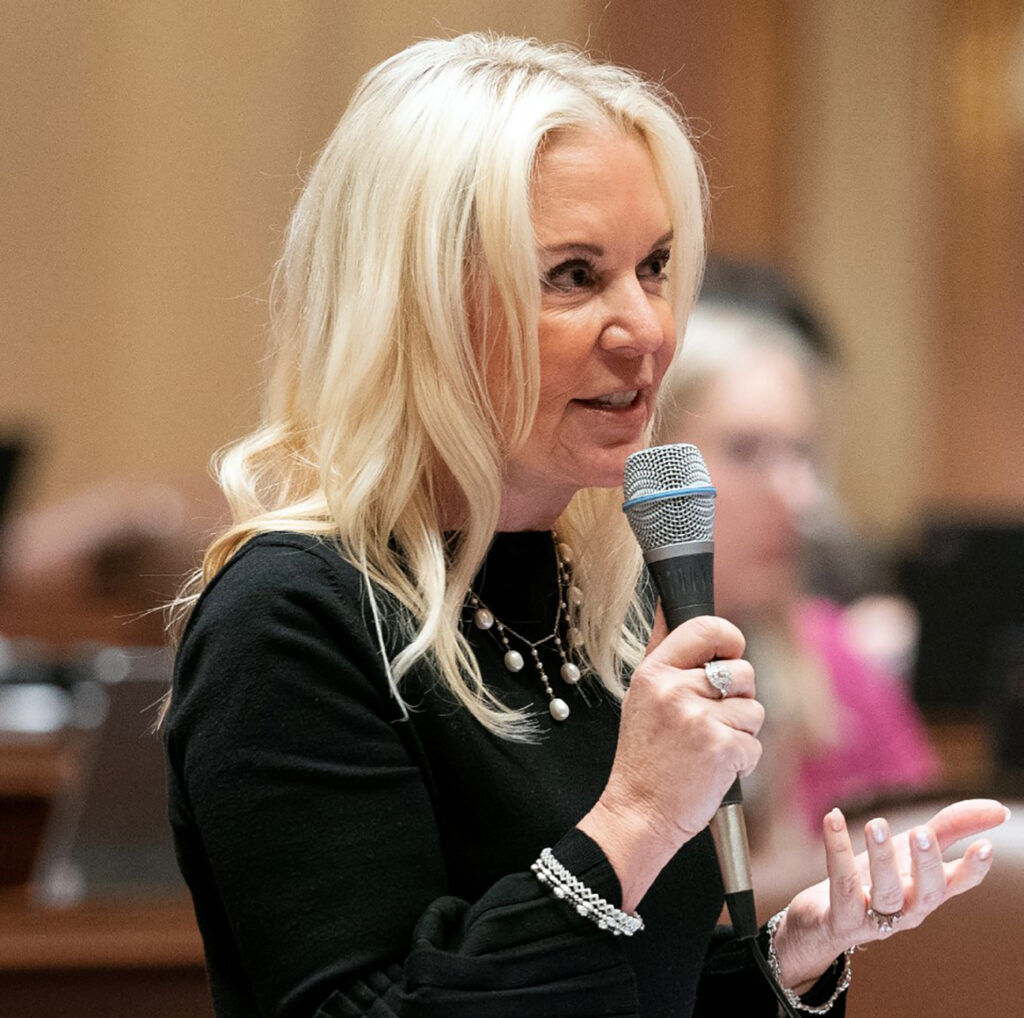

Through use of Medicaid funds, the legislation’s author aims to “help end the cycles of fear and retribution.”
Amid a growing shift in public policy framing gun violence as an urgent public health crisis, New York has joined six other states using a novel approach to preventing further harm: redefining patient care to include community-based intervention programs.
Youth are central to a law taking effect this year that allows Medicaid funds to be spent on agencies and programs serving patients leaving hospitals after being shot or stabbed — with the goal of having them never return in a similar condition.
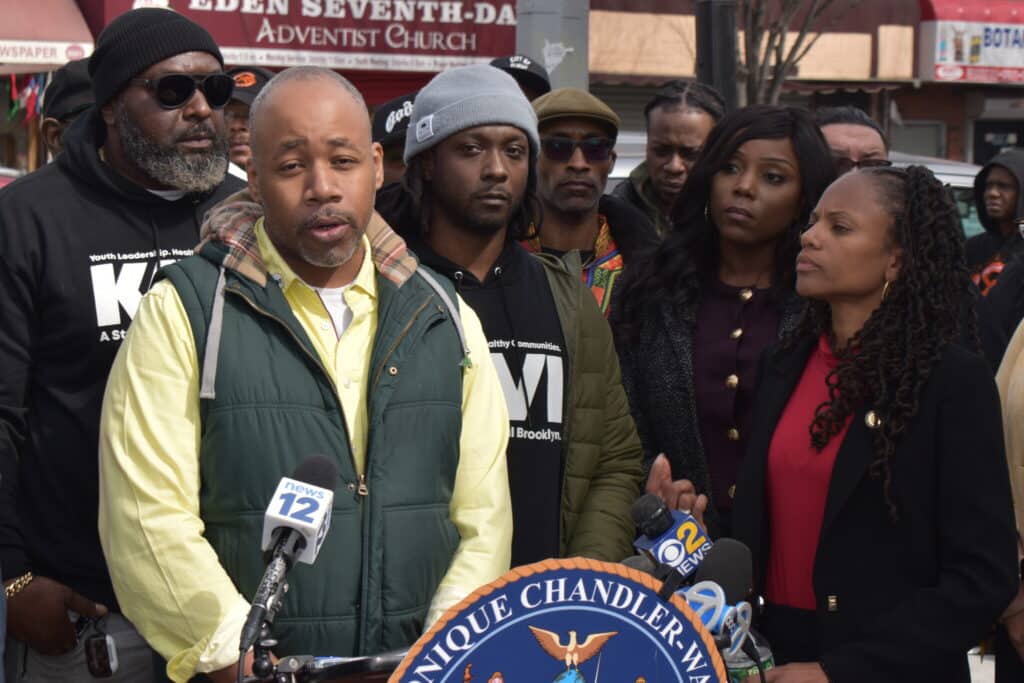
“Trauma unaddressed will produce more trauma,” said Ramik Williams, co-executive director of Kings Against Violence Initiative, or KAVI, a Brooklyn-based, youth-serving nonprofit doing intervention work. “We need to make sure we are helping address their mental and emotional trauma.”
Intervention specialists with the nonprofit receive alerts from the hospital when victims land at the Kings County Hospital Center with wounds from gunshots, stabbings or assaults. The specialists move quickly to their hospital bedside to discuss how to address ongoing needs in a critical period of time. While immediate physical wounds may heal, there is much more work to be done: These patients remain at risk of retaliating or being injured again by violence.
The goal of using Medicaid funds for intervention services is to stop that pattern. KAVI workers typically spend the next two years offering assistance with a wide range of challenges for youth who are marginalized and live in impoverished communities. Sometimes, that means moving out of the neighborhood, city or state where an injury happened. In those cases, KAVI provides relocation assistance. Others need help with stable employment, education, nutrition and clothing. The nonprofit also provides access to therapy and support groups.
“If someone gets shot and goes to hospital in places that don’t have programs like this, they get patched up and sent back to communities they live in — sometimes in a matter of hours. That approach doesn’t work.”
-Dr. Kyle Fischer, policy director with the health alliance for violence intervention
These types of victims services “have a reverberating effect,” Williams said, helping youth build for the future without the need to retaliate or become a victim of violent crime again.
“Joining KAVI helped me to meet other teens who are dealing with similar problems in our neighborhood — poverty, violence, prison,” reads a testimonial on KAVI’s website. The young person noted that the program showed them they could have a future career in graphic design “no matter where I come from.”
The model of violence intervention programs that begins with hospital patients was pioneered by Oakland-based nonprofit Youth ALIVE! in the early 1990s. Since then it has grown into a national movement, adopted by nonprofits and hospital systems across the country. The Boston-based Health Alliance for Violence Intervention oversees the efforts, providing training for 50 organizations nationwide.
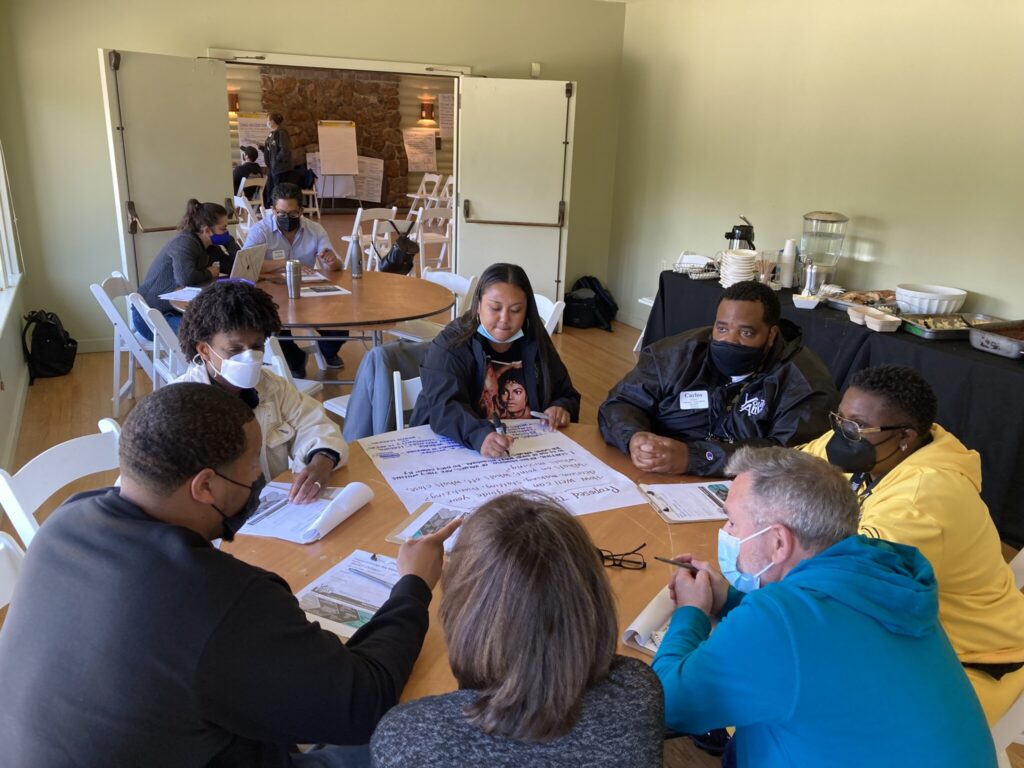
The hospital intervention programs follow a framework similar to KAVI’s: meet a victim in the hospital to help them figure out how to stay safe, and map out next steps for their lives — whether it’s applying to school, getting rides to medical appointments, or finding housing.
“If someone gets shot and goes to hospital in places that don’t have programs like this, they get patched up and sent back to communities they live in — sometimes in a matter of hours. That approach doesn’t work,” said Dr. Kyle Fischer, the alliance’s policy director. “This is really elevating the level of care.”
The work is urgent in New York, where homicide was the leading cause of death for Black youth for the three years ending in 2020, according to the most recent publicly available state data. That same year, homicide was also the leading cause of death among Latino teens ages 15 to 19. That was not the case for White or Asian youth over the same time periods.
And for teens who survive shootings, there is ongoing suffering.
A November study published in Health Affairs found that one year after a firearm injury, children and teens experienced a 117% increase in pain disorders, a 68% increase in psychiatric disorders and a 144% increase in substance use disorders when compared to their peers.
Despite the high level of need, violence prevention work has long faced funding difficulties. Community-based agencies struggle to secure enough public funding, which can be patchy and inconsistent.
“This initiative, which is supported by the Biden White House, will provide individuals impacted by gun violence with follow-up care and intervention and help end the cycles of fear and retribution that are all too common in many of our communities.”
-new York state sen. brad hoylman-sigal
But the prospect of Medicaid entitlements offers a more solid revenue stream, proponents say, reliably funding the work as a patient benefit. The new law in New York directs the health commissioner to amend the state’s Medicaid plan to include coverage of prevention services provided by a “qualified violence prevention professional.” The benefits apply to Medicaid-eligible state residents who have received treatment for an injury caused by “community violence.” The act defines that as “an intentional act of interpersonal violence committed by someone not intimately related to the victim.”
To date, California, Colorado, Connecticut, Maryland, Oregon and Illinois have passed similar laws. Medicaid is the nation’s largest payer of gun-related health care costs, with these taxpayers funds amounting to billions of dollars each year. If gun injuries could be avoided, investments in prevention could result in savings.
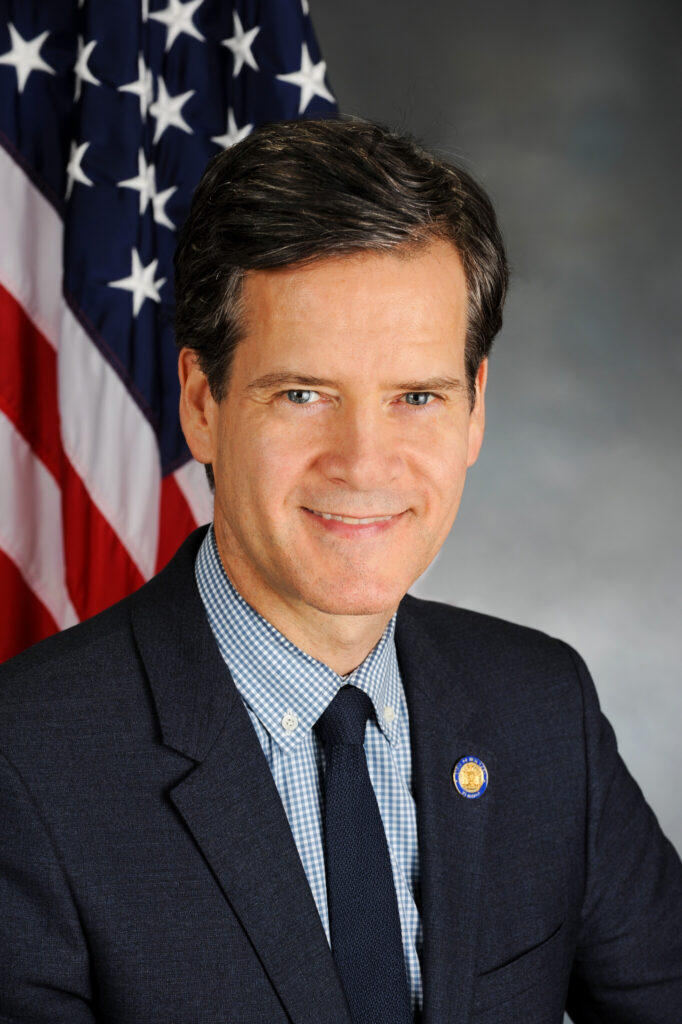
Democrats in New York have highlighted the critical nature of this reality.
“Gun violence is a public health crisis,” state Sen. Brad Hoylman-Sigal said last fall in a press release announcing passage of his violence-prevention legislation. “This initiative, which is supported by the Biden White House, will provide individuals impacted by gun violence with follow-up care and intervention and help end the cycles of fear and retribution that are all too common in many of our communities.”
Gov. Kathy Hochul further stated that the new law “recognizes that New York’s community-based programs are best positioned to support survivors of violence, and that training more violence prevention specialists is key when it comes to keeping our neighborhoods safe.”
Williams, who directs the Brooklyn agency KAVI, said much remains to be determined about how the new funding stream will assist community groups, such as training requirements for violence prevention professionals, and what the reimbursements rates for services will be.
But on the whole, public health advocates are hopeful.
“This is a critical moment in our understanding of how we care for the critically injured patient,” said Fischer of the health alliance. “This is part of the movement to change the lives of folks affected by this.”