

“Nickel Boys,” a movie that portrays the struggles of two Black teens held in a nightmarish juvenile detention facility in 1960s Florida, will contend for the best picture Oscar at the 2025 Academy Awards next month. Adapted from Colson Whitehead’s 2019 Pulitzer Prize-winning novel of the same name, the story Is based on true-life abuse at the Arthur G. Dozier School for Boys in Marianna, Florida.
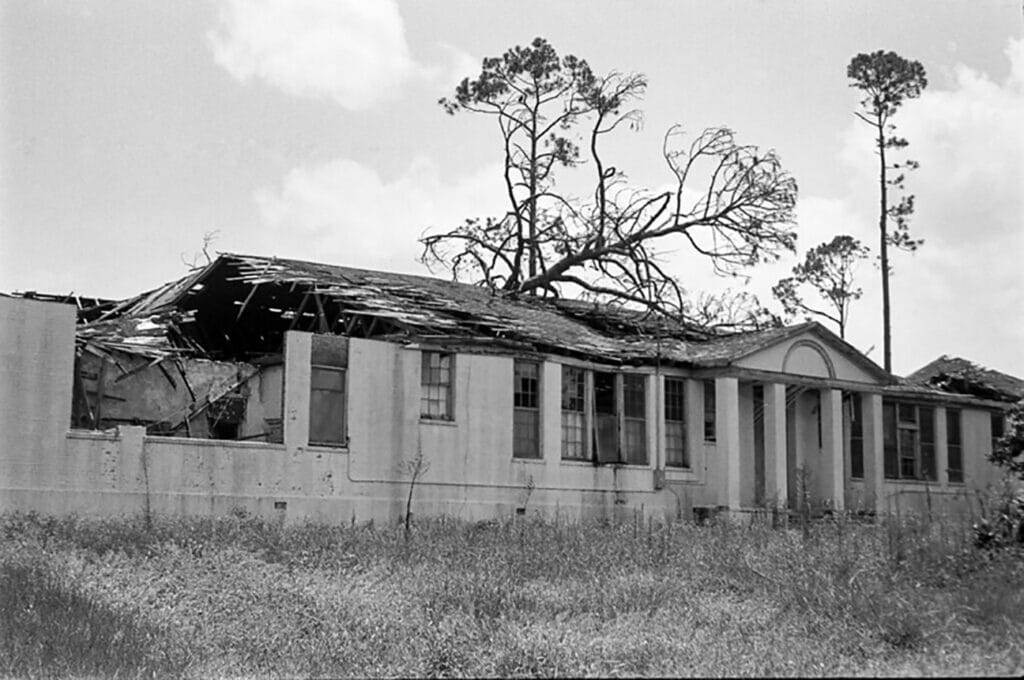
The infamous 111-year-old state institution closed 14 years ago after dozens of former residents shared horrifying accounts of killings, brutal floggings, torture and sexual abuse. Officials now believe as many as 100 children died at the institution, which held boys as young as 5.
“Daily, that pain is still with me,” Richard Huntly testified before the Florida Legislature last year. Huntly, who leads a survivors’ group representing Black boys abused at the Dozier School, described vicious beatings that occurred when he was 11. “I’m 77 years old now. That lives with me daily,” Huntly said.
Since the 1960s, grave markers had been placed in a part of campus known as Boot Hill, but little was known about who was buried there, or when. Then, in 2009, a state investigation uncovered the location of about two dozen bodies — some with gunshot wounds and signs of blunt force trauma. That spurred an archaeological survey three years later by University of South Florida researchers, which found scores more bodies buried between 1900 and 1973. A subsequent investigation of the so-called reform school led to a formal apology by Gov. Ron DeSantis, and the creation of a $20 million state compensation fund, to be shared by survivors.
Kaniqua Robinson, a cultural anthropologist and assistant professor at Furman University, credits the “Nickel Boys” movie with introducing a mass audience to an “eclipsed’’ part of Dozier’s tale — the experiences recounted by Black survivors of the segregated institution.
It was a group of white survivors from the 1950s and ‘60s — self-named the “White House Boys” after a notorious on-site detention building where much of the abuse occurred — whose stories initially captured and held the nation’s attention.
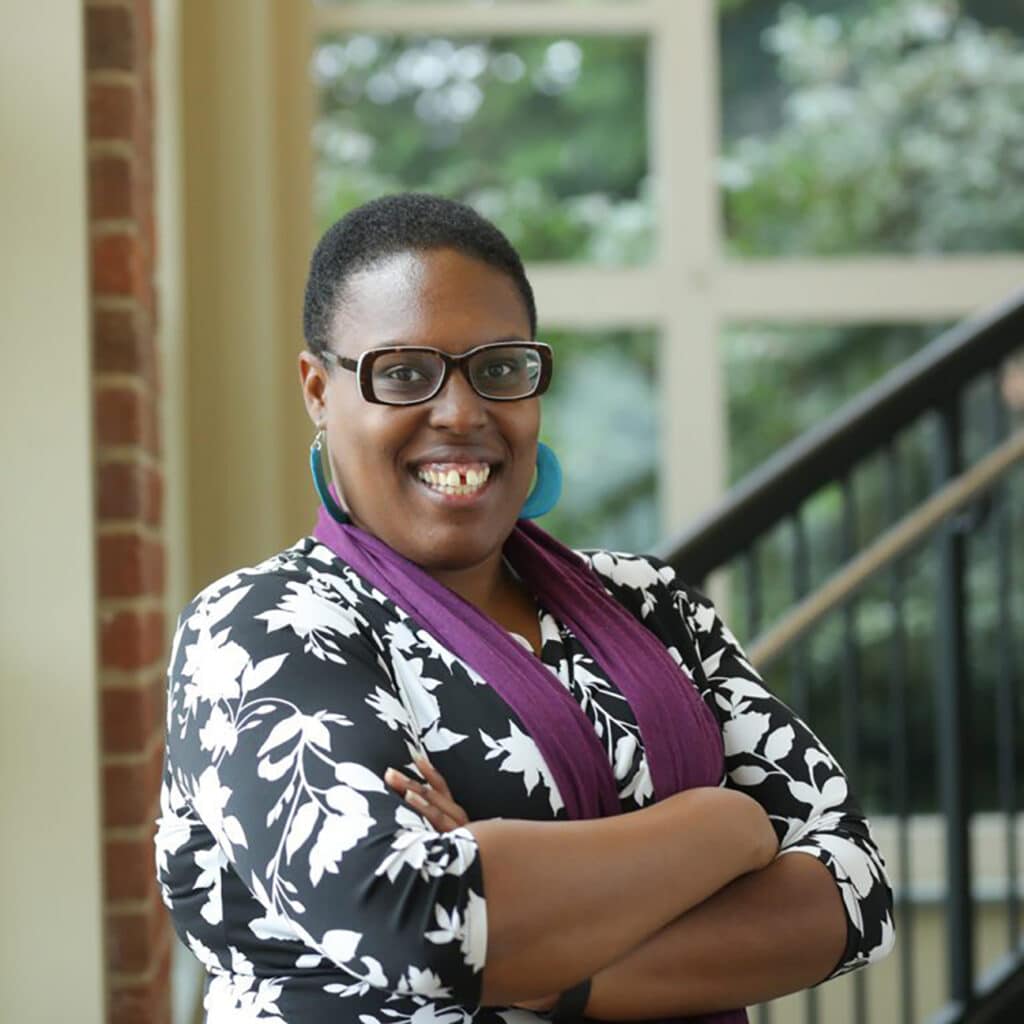
Yet, three times as many Black students as white youth were interred at the Boot Hill Cemetery, Robinson points out. And the notion that boys of all races experienced the same types of abuse and conditions at the school runs counter to the reality of the Jim Crow times — and obstructs a full understanding and recollection of Dozier, she said.
“If we’re not going to include race in this memory of Dozier, we’re not going to talk about the racial inequalities that existed at the school, and it’s as though we’re completely erasing their experiences,” said Robinson, who has studied how the school’s story has been told.
Robinson is now writing a book about the politics of memory and memory-making at the Dozier School. She spoke with The Imprint following the release of “Nickel Boys” about her work, the flawed foundations of the reform school and why preventing historical erasure is so important.
This interview has been edited for length and clarity.
One of the goals of the Dozier School was the “moral rehabilitation” of young boys, a goal that continues in today’s juvenile justice system. What did that look like in the Jim Crow era?
When Dozier was created, the school was supposed to provide moral, vocational and academic rehabilitation and reformation to boys. But for Black youth, the goal of the institution was not necessarily to reform, but to provide labor through the convict leasing system. Because one thing about Dozier is that it needed to provide its own revenue, and part of that was through the working of the youth.
So when we talk about reform or rehabilitation, we have to understand that even with the “child savers” movement, the predominant idea was that Black youth could not be reformed, even though they were brought into these institutions. Instead, they were brought in to work, as a form of control.
White youth experienced labor as well, but Black youth were far more vulnerable to incarceration. They could simply have been loitering on the streets. For Black youth, it was not simply “delinquency” because they stole a car or harmed someone, like some of the white youth at Dozier had done. They were locked up simply for existing.
Reading your dissertation on how the Dozier School has been memorialized by different stakeholders — including the public, the state of Florida, the victims and even the media — you say memories can be wielded as a weapon. Why do memories matter?
Memory is powerful. It’s a way to erase a person’s experiences and even their identity. Because if I can have the power to control how things are remembered, then I have the power to control how the public reacts. In regards to Dozier, it was a state reform school, so the state had ultimate control over the memory. We should be asking questions about why one side of campus was constantly overcrowded and why the resources were different for this side of campus.
When you think about the White House Boys, they controlled the memory of the school. They were the first in line for interviews. They became the authority on what happened at the institution. But the White House Boys have always said that all boys went through the same experience, that it was not a civil rights issue, which really erased race from our understanding of the Dozier School for Boys.
“For Black youth, the goal of the institution was not necessarily to reform, but to provide labor through the convict leasing system.”
— Kaniqua Robinson
I’m glad that “Nickel Boys” came out, and really shared the Black experience, because for a while, their story was hidden under the weight of the White House Boys, who were curating this memory. I’m not saying that they did not do great things, because clearly it was great for getting the compensation bill.
The repercussions continue today. We’re still having this over-incarceration of Black youth, which should cause us to question the system. One way to avoid doing that is to deny it’s happening or to erase it from the past.
There were two different parts of a racially segregated campus at Dozier School. What did the gravesites reveal about harsher treatment for Black students?
When the University of South Florida team of researchers started, specifically forensic anthropologists, they noticed that there were more African American graves than white burials. The data also tells us that there were usually far more people of color incarcerated at Dozier than white youth, and it was much more likely for Black youth not to have death certificates.
The Black Boys of Dozier actually had one of the first memorials at Dozier, but it was on the Black campus. And if you go to Dozier now, that campus has been overgrown for decades. So their history has been hidden, not only in the narrative, but also in the land.
“Not teaching is doing a disservice to this country. You’re in effect saying they’re not worthy of their humanity, they’re not worthy of their past.”
— Kaniqua Robinson
What did you think of the “Nickel Boys” film or the book by Colson Whitehead? Do you think these works will change the way that Dozier is remembered?
I have not seen the movie or read the book. That’s on purpose, though, because I’m writing a book. I want to base it on my research.
I think the film is going to do great things, because this might be the first time that people on a mass scale really understood what the Black youth went through there. Because Colson Whitehead has written so many great books, he had the fame to really get that story out there.
When we talk about the erasure of Black voices, do you find any parallels with contemporary laws in many states that have suppressed teaching Black history and concepts like critical race theory?
There’s always efforts to forget that a Black past has happened — and to some degree, to even forget slavery, and forget Jim Crow, the racial violence of lynchings and the lack of voting. Even in showing black-and-white pictures, it can make these events feel like they were centuries ago when some people are still alive who lived through those times.
Not teaching is doing a disservice to this country. You’re in effect saying they’re not worthy of their humanity, they’re not worthy of their past.