
As state leaders in Washington push for a new juvenile prison site, family members of incarcerated youth and their advocates slammed the plan in a press conference today, calling the effort “harmful” and “backward-looking.”
“We’ve been sounding the alarm and alerting the public, our government officials and anyone who will listen to the abhorrent conditions,” one parent of a Green Hill resident said during the live-streamed event, choosing anonymity to protect her child. Addressing the detained youth she added: “You deserve a chance to rehabilitate in a healthy environment.”
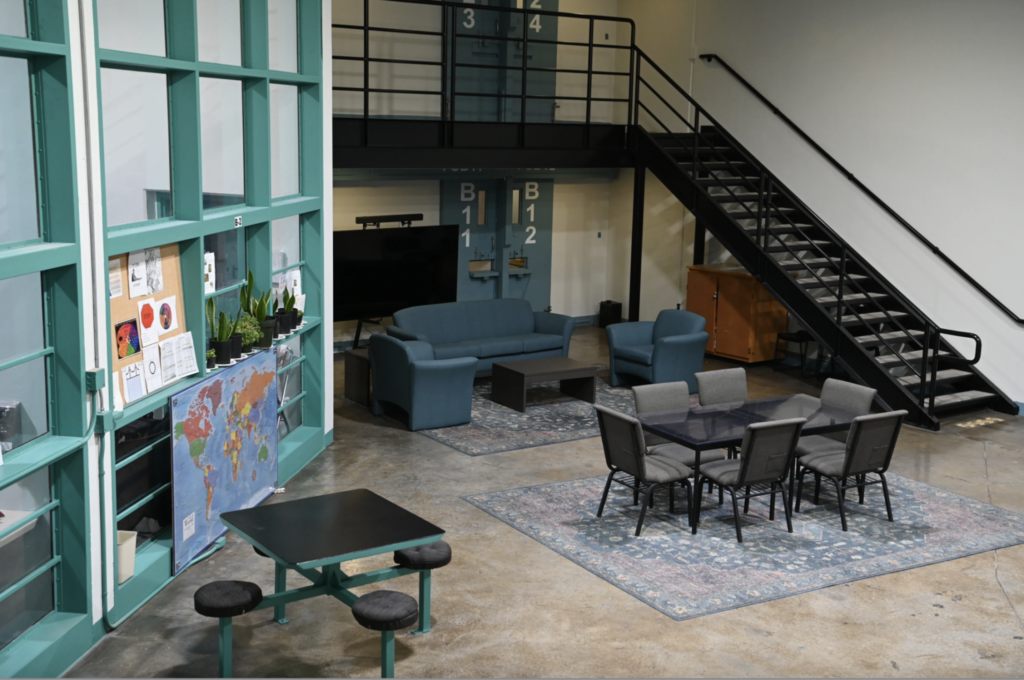
Green Hill School in Chehalis, the state’s largest youth facility of its type, is supposed to rehabilitate teen offenders. But it has instead been mired in overpopulation, violence and lockdowns over the past year, according to state officials and lawsuits.
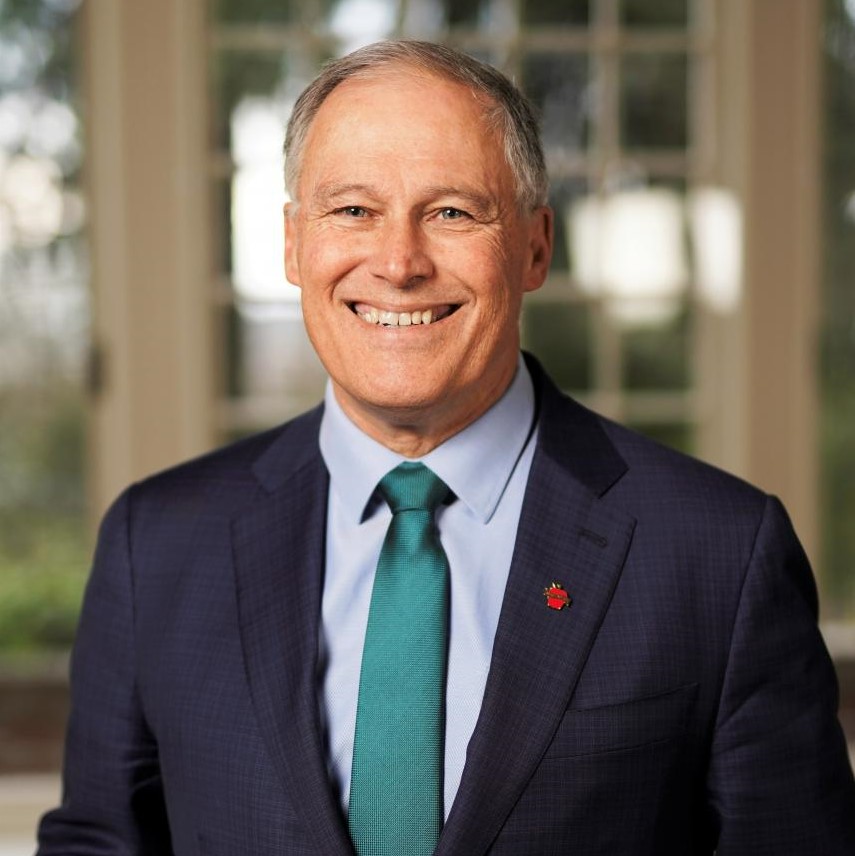
Last week, Gov. Jay Inslee announced that early next year, the state plans to move youth currently housed at Green Hill to a section of an adult prison to address the overcrowding crisis, caused by what he called a “juvenile crime wave.”
At today’s virtual event organized by the Seattle-based advocacy groups Kids Are Kids and TeamChild, relatives of youth locked up in the prison decried the governor’s plans, saying the plan did not do enough to address more serious concerns in the facility, such as a lack of therapeutic services and the inability of staff to curb violence. They also called for greater transparency on the part of the Department of Children, Youth and Families, which runs the youth prison, warning that sending young people to the new facility would endanger the state’s mandate of juvenile rehabilitation, referred to as JR under state law.
“The state’s mismanagement of Washington’s JR system has once again been blamed on Washington’s youth and us as their families,” said one parent. Organizers of the press conference said she too was not being identified to protect her incarcerated son from retaliation. “Somehow the state deflected accountability and cast blame on those with the least amount of power and authority.”
Another parent of a Green Hill School resident said opening a new facility would not change the culture for those who remain in the youth prison. She described being locked in cells for extended periods, often without food, and having to fight for the right to go to school.
“We really need to get down to the bottom of why these kids are not being rehabilitated,” the family member said. “The Green Hill website does not at all reflect what is going on inside those walls, and the public needs to know about it.”
Located in a rural community, Green Hill School is tasked with housing and providing programming for Washington state’s most serious and violent youth offenders. Under recent legislative reforms, young people are able to remain there until age 25 for crimes committed as minors. Despite its troubles, the facility continues to provide some novel therapeutic programs, including gardening, peer mentoring and the Capitol Classroom, which allows some incarcerated youth to travel to Olympia to lobby for legislative reforms.
“The state’s mismanagement of Washington’s JR system has once again been blamed on Washington’s youth and us as their families. … Somehow the state deflected accountability and cast blame on those with the least amount of power and authority.”
— Anonymous parent participant in today’s press conference
But current conditions have complicated such programs, designed to be therapeutic and help turn them away from lives of crime. The number of young people housed at the state’s two youth prisons have continued to rise, particularly at the Green Hill School. The school’s capacity is 180 beds, but Gov. Inslee said that the population has hovered at around 220 since the spring of 2024 and has been above 230 since the fall. The population has increased by 60% since 2023, according to the governor’s office.
In July, Department of Children, Youth and Families Secretary Ross Hunter ordered a halt to all new intakes and transferred 43 young people to an adult facility, citing safety concerns. After public interest lawyers sued the state over conditions, in August, a judge sent the young people back to the Green Hill School. The large population has since strained the facility, authorities say, with surging rates of violence. Green Hill employees have called in sick or quit in record numbers, exacerbating the crisis and leading to situations where there are too few staff members to supervise essentials like school and trips to the bathroom and showers.
Fueling the substandard conditions, several Green Hill School staff have been arrested and accused of crimes themselves, including bringing drugs into the juvenile rehabilitation facility, and failing to intervene when youth are being sexually abused or fighting.
“We’re getting just an avalanche of new juvenile offenders. There is only one short-term solution to this, and that is additional capacity in the system to absorb this.”
— Washington Gov. Jay Inslee
On Nov. 25, surrounded by Washington State Department of Children, Youth and Families officials and state legislators, Gov. Inslee shared a proposal to address the overcrowding at the Green Hill School. Under the plan — which will be formally presented to legislators in January — the state would open and operate a new facility on the grounds of Stafford Creek Corrections Center in Aberdeen. Once fully operational, the converted adult prison unit could serve up to 48 young men ages 18 to 25, easing the population overload at Green Hill.
Information sent to The Imprint by the Department of Children, Youth and Families stated that the new facility would provide residents with peer mentorship and classes in leadership skills, along with higher-education opportunities and cognitive behavioral treatment. Officials did not provide an estimated cost, but said details will be forthcoming in a budget proposal later this month.
Inslee, who will step down from his post next month after three terms as governor, described the move as necessary.
“We’re getting just an avalanche of new juvenile offenders,” he announced last month. “There is only one short-term solution to this, and that is additional capacity in the system to absorb this.”

TeamChild Interim Executive Director Karen Pillar disputed the governor’s notion of a “youth crime wave.” Arrests of young people in Washington in 2023 were 30% lower than pre-pandemic levels in 2019, she said, and violent crime is half of what it was about 15 years ago.
Pillar and family members of the incarcerated also expressed concern about the new proposed site, which they said was used for solitary confinement of adult inmates, and lacks space for educational and career training programs.
Advocates urged state officials and incoming Gov. Bob Ferguson to work with the relatives of incarcerated youth to solve what they described as deeply rooted issues at the Green Hill School. But they do not want the message skewed or for the state to give up on its mission of providing treatment and rehabilitation.
“We’re not in a crime wave,” Pillar said. “The numbers really just don’t add up to the story that was painted last week.”
BEFORE YOU GO… If you learned something from this article, pay it forward and contribute to The Imprint. Our work is funded by readers like you who are committed to unbiased journalism that works for you, not for the algorithms.