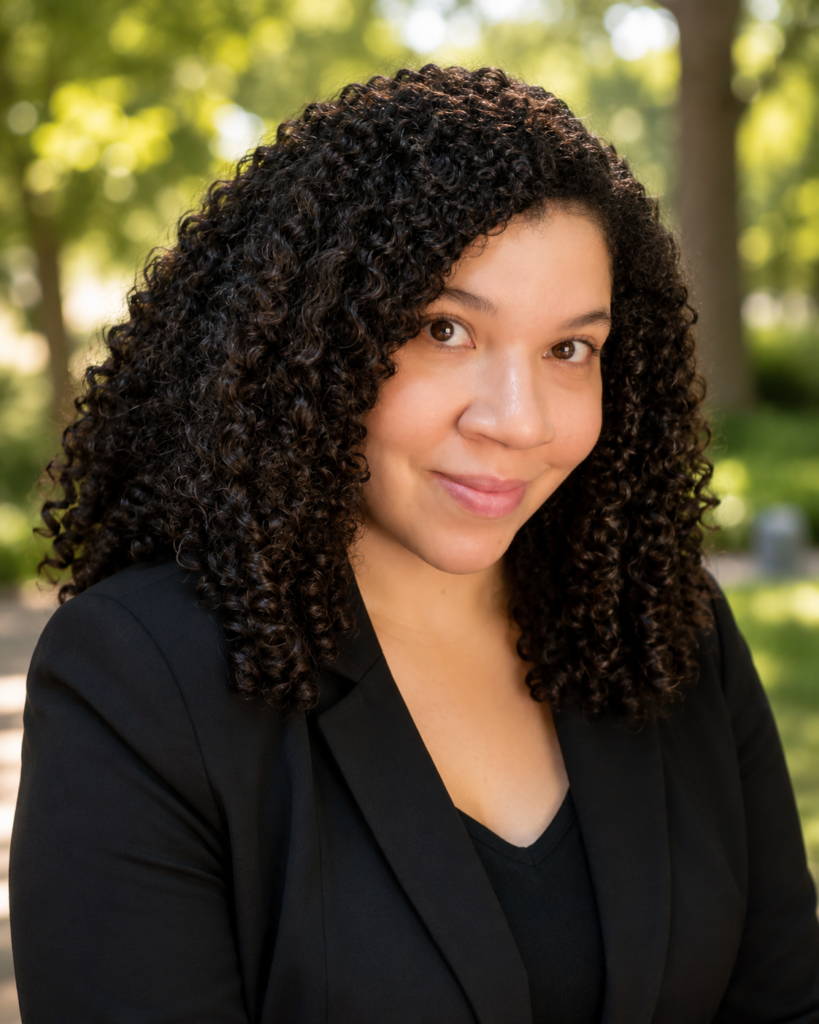

I was only 11 years old when I was thrown into the foster care system, and it wasn’t just me. My younger siblings were also taken away from the only home we had ever known. The separation felt like our lives were being ripped apart. We were each placed in different homes after a few placements, and the promises of safety and care quickly faded into the background. The reality was far from what we had hoped for.
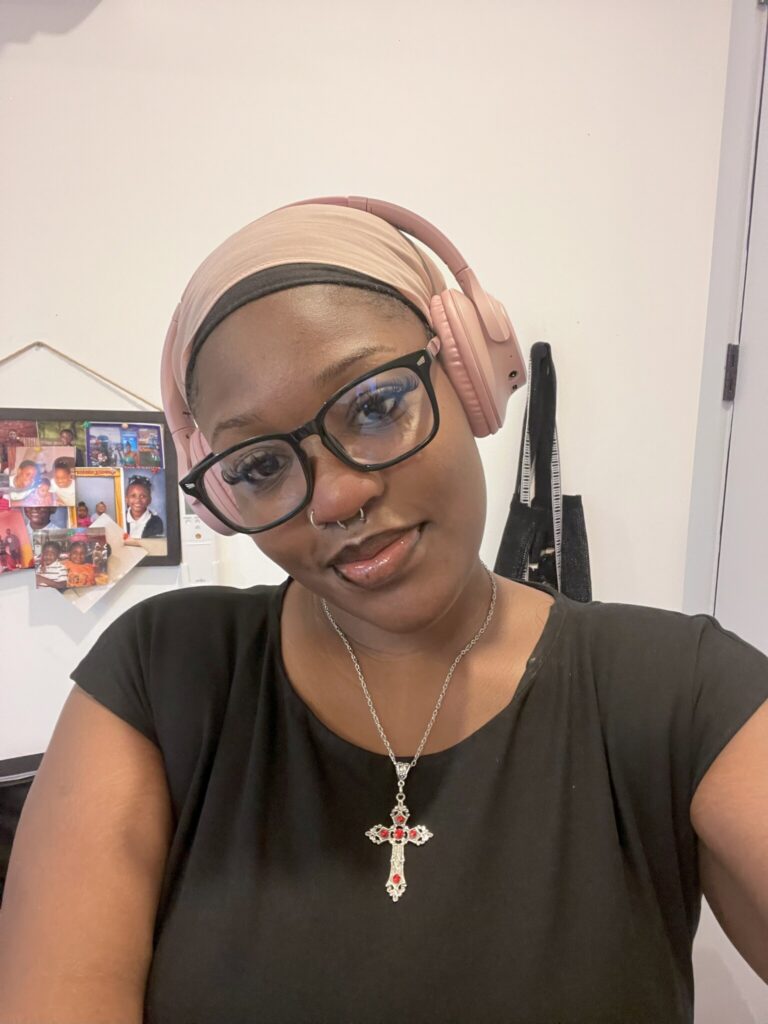
In some of those homes, the very people who were supposed to protect us became our worst nightmares. I experienced physical abuse that left me with more than just bruises. The emotional and psychological scars have stayed with me long after the bruises faded. The fear and anxiety of living in a place where I was supposed to feel safe were overwhelming. Every new home felt like another roll of the dice, hoping this time, maybe, it would be different. But too often, it wasn’t.
The sexual abuse I endured was even worse. It’s something no child should ever experience, yet it’s a reality too many foster kids face in silence. The people who were supposed to guide and protect me violated the very core of my being. The trauma from that abuse is something I carry with me every day. It affects how I see myself, how I interact with others, and how I view the world. The fear, the shame, and the constant question of “Why me?” became a heavy burden I carried alone, too scared and ashamed to speak out.
The worst part of it all was the feeling of helplessness. I felt like my voice didn’t matter that no one would listen or care. And in many ways, I was right. The system that was supposed to protect me seemed indifferent to the suffering I endured. It was more concerned with paperwork and processes than with the real, human impact of what was happening to me and countless others. When I tried to tell someone what was happening, it felt like I was talking to a wall. No one took my words seriously, and the abuse continued. I was just another case number, another file lost in the shuffle.
As I got older, the system’s failures became even more apparent. The trauma from these experiences doesn’t just go away. It stays with you, affecting every part of your life. For years, I felt like my voice was muffled, lost in a sea of bureaucratic red tape that prioritized efficiency over empathy. I wasn’t just dealing with the trauma of physical and sexual abuse. I was also battling the emotional toll of being in a system that didn’t seem to care about my well-being. I was passed from one caseworker to another, each one less familiar with my story than the last. It felt like I was constantly starting over, with no one truly understanding the pain I was carrying.
When I got older, I was labeled a “transition-age youth,” supposedly ready to step out on my own. But how could I be ready? I was still dealing with the trauma of my past with no real support to help me heal or move forward. Transitioning out of foster care felt like being thrown into the deep end without knowing how to swim. The system, which had controlled every aspect of my life, was now washing its hands of me, leaving me to figure out everything on my own. The transition was supposed to be a time of empowerment, but, for me, it felt more like abandonment.
“Our voices should be heard and valued, not silenced by a system that too often fails to protect us.”
The resources that were available to help me transition were inadequate. There were programs, but they were underfunded and overstretched. Caseworkers, already overwhelmed with their caseloads, didn’t have the time or energy to provide the guidance that I desperately needed. The few services that did exist often had long waiting lists. By the time I was eligible, it felt like too little, too late. The system that had dictated every part of my life for so long was suddenly nowhere to be found when I needed it the most.
Mental health is a critical issue during this time, yet it’s often overlooked. The trauma of growing up in care doesn’t disappear when we turn 21. It lingers, affecting our ability to trust, form relationships, and plan for the future. Without proper mental health support, many of us struggle with depression, anxiety, and other issues that make the transition even more challenging. I’ve watched other foster youth fall through the cracks, turning to drugs or unhealthy relationships as a way to cope with the pain that never really goes away. I’ve seen youth end up homeless because there wasn’t enough support to help them get on their feet.
For my siblings and me, the transition was filled with uncertainty. The lack of support during this critical time has had lasting impacts on our well-being and our ability to thrive as adults. The responsibility of taking care of my siblings, who are still in the system, weighs heavily on me. I know that without the right support, they too could fall victim to the same cycle of trauma and neglect. That’s why I recently took the step of completing my foster care certification to take custody of my three younger siblings. It’s a responsibility I never imagined I’d have, but I couldn’t stand by and watch them face the same struggles I did.
Taking custody of my siblings has been one of the most significant challenges of my life, but it’s also one of the most important. I’m determined to provide them with the stability and support that we lack in the system. But this experience has also shown me just how much work needs to be done to support transition-age youth. The child welfare system must do more than just move us from one place to another. It must address the real, deep-seated issues that come with growing up in care, especially the trauma of abuse.
We need stable housing, financial assistance, and, most importantly, comprehensive mental health support. Our voices should be heard and valued, not silenced by a system that too often fails to protect us. The trauma of what I’ve been through doesn’t go away just because I’m older now. It’s something I’ll carry with me for the rest of my life, and it’s something that my siblings are still dealing with everyday.
Transitioning out of foster care shouldn’t feel like another form of abandonment. With the right support, it can be a step toward healing and a better future. We deserve more than just to survive; we deserve the chance to heal, to be heard, and to truly thrive. The system has failed too many of us for too long. It’s time for a change, one that ensures every foster youth has the opportunity to build a future free from the shadows of their past. It’s time for former youth to actually be involved in changes that only affect us. It’s time for youth to be in power in a system that is made for us. Staff shouldn’t be going on two-week-long paid vacations with $80,000-plus salaries while there are youth with barely anything to eat or to wear. The system is for us, not for you.