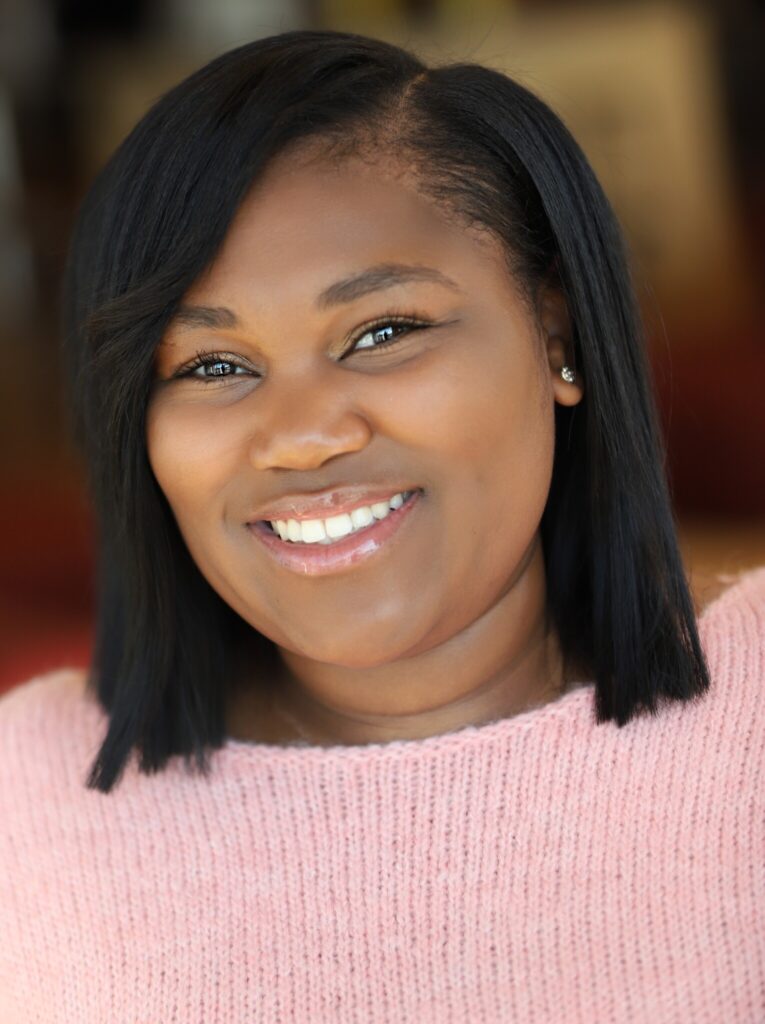
I was 8 years old the first time I realized that home wasn’t a safe place. The bruises on my arms told stories I was too young to understand, and the silence of unanswered questions about my father left an emptiness I didn’t know how to fill. The day I entered foster care, I carried more than just a small bag of belongings. I carried fear, uncertainty, and the heavy weight of being unwanted.
Growing up in the foster care system meant constantly adapting. It meant learning to be resilient before I even knew what resilience was. Some homes were warm and welcoming, while others were just another temporary stop — another bed I’d sleep in for a few months before moving again. Each goodbye chipped away at my sense of belonging, making it harder to believe that stability was ever within reach.
By the time I was in high school, I had learned to navigate life with an independence that most teenagers never had to consider. When I wasn’t bouncing between foster placements, I was experiencing homelessness, sleeping in youth shelters, and relying on the kindness of social workers and mentors who saw my potential even when I struggled to see it myself. I juggled school, part-time jobs, and the unpredictability of my living situation, knowing that education was my only ticket to something better.
Diabetes added another layer to my reality. Managing Type 1 diabetes without a stable home meant rationing insulin, making impossible choices between food and medication, and advocating for myself in ways that no child should have to. There were nights when my blood sugar dropped dangerously low, and no one was there to help. But I refused to let my circumstances dictate my future.
Despite every obstacle, I poured myself into my studies. I spent late nights under dim shelter lights, flipping through textbooks, dreaming of a future that felt just out of reach. College applications became my escape and my way of proving that my past would not define me. When the acceptance letters started rolling in, I felt something unfamiliar — hope. Fifty-six schools wanted me, but one stood above the rest: Spelman College, the #1 HBCU in the country. A school that had shaped some of the most powerful, resilient Black women in history. A school where I belonged.
Walking onto Spelman’s campus for the first time was more than just a milestone. It was a testament to every battle I had fought and won. I wasn’t just a statistic, another foster kid lost in the system. I was a Black woman, a scholar, a fighter. I was proof that resilience and determination could rewrite even the most painful of beginnings.
Today, as I reflect on my journey, I know that my story is not just mine. It belongs to every child who has ever felt abandoned, every student who has ever studied through hunger, every young person who has dared to dream beyond their circumstances. My past may have shaped me, but it does not define me. And if my story teaches anything, it is this: No matter where you start, you have the power to create the life you deserve. Keep fighting. Keep believing. Your story is still being written.