
This article is published in partnership with The National Network for Foster Sibling Connections.
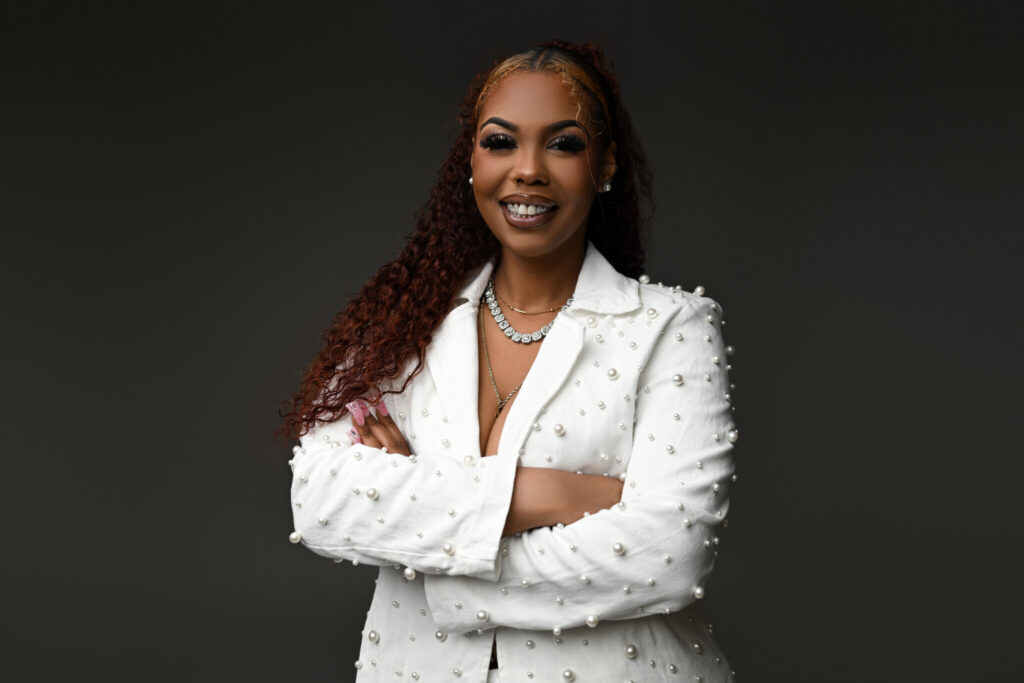
As the second oldest of six girls growing up in the foster care system, I was always told that if I didn’t have anyone else, I would always have my siblings. My foster mom emphasized this, and it has stuck with me throughout my journey. My birth mother lost custody of all of her children when I was very young. I was just 3½ years old when she lost custody of me, and my younger sister, Anaiah, who is three years younger than me, was still a baby at that time.
I was 7 years old when I first learned that I was not the oldest of my birth mother’s children. I discovered that I had an older sister. At first, I felt confused but then very excited. I imagined all the things I would say to her and the games we would play together. Unfortunately, that excitement was short-lived. My older sister stayed at Mary Graham’s Children’s Shelter in Stockton, California, and was considered a very angry child. Due to both of our backgrounds, the social workers and other adults in our lives believed that maintaining a relationship between me and my sister would be detrimental, thinking it would corrupt our behavior.
As the years went by, I guess I didn’t think much about seeing my siblings anymore. It was almost like I forgot about her. Meanwhile, my mother went on to have three more children. I was able to see them as babies, playing and bonding with them, but that too was short-lived. My birth mother struggled greatly with drug addiction and ended up losing custody of all her children. All I had left were memories — memories I couldn’t shake. The older I got, the more I thought about them: where they were, if they were okay, and if they were safe. I needed to know that they were alright, just as much as I wanted them to know that I loved them and that I was there for them.
I began reaching out to my social worker to find their social worker. Eventually, I tracked them down and was able to have visits for a few months until their social worker became pregnant and was replaced. During this time, one of my siblings aged out of the system, and the others were adopted. I was unaware of this at the time. I called and left message after message, speaking to one supervisor after another, but to no avail. For the next seven years, I dedicated myself to finding them. I called my social worker nonstop, asking her to look for them and contact their social worker. I repeatedly reached out to the last known phone number I had for them, leaving multiple messages to let them know I loved and cared for them. But I never received a response.
I began to lose hope, thinking I would never see or talk to them again. Then one day, I decided to try once more, and one of my siblings finally called me back. They told me they had no idea I was searching for them all this time. One of the older ones remembered who I was, while the younger one only remembered a little. They thought no one cared about them and had even forgotten about our past visits because they were too young to remember. I was hit with a mix of emotions. I felt hurt that they didn’t remember me, but I was also incredibly happy that they were willing and open to getting to know me again.
I dedicated myself to proving to their adoptive mother that I was a responsible young adult who genuinely wanted to be part of my siblings’ lives. I made an effort to call them whenever I could and visit whenever possible. Over time, our relationship grew stronger, but due to the years we lost together, there are still significant gaps in our connection.
I believe no child should have to feel what I felt by being apart from their siblings. Knowing they exist while not being able to contact them, hear their voices, or give them a hug is absolutely heartbreaking. It pains me to realize that I have beautiful memories with them that they do not remember because of the lost time we could have shared.
I strongly believe it is important to keep siblings together. As my foster mom told me, when all guardians and caretakers are gone, you still have your family out there. As a former foster youth, I can say we all want to know who our real family is, even if we may not approve of them. Taking away that connection is like taking a part of a person. There should be a mandate requiring siblings to see, know, and visit each other. Families in the system shouldn’t be broken apart; they should be brought together. Often, with the toxic upbringings we experience, it may seem easier to stay apart, but that can lead to more damage than anything else, as the cycle continues to repeat generationally.