
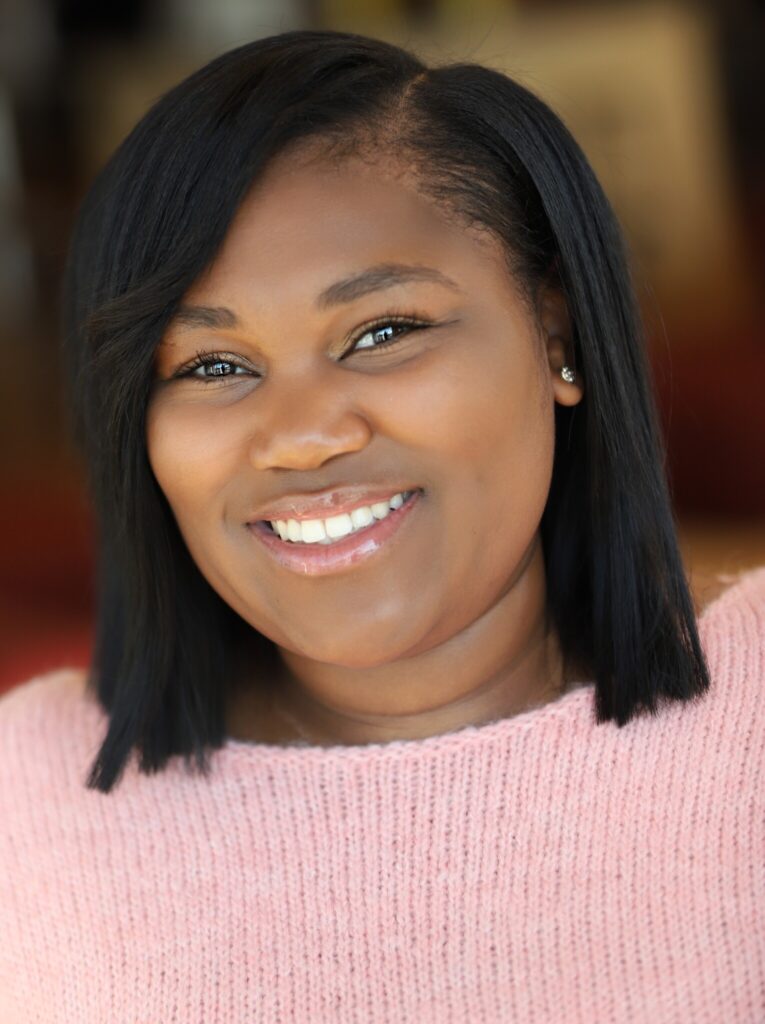
I was 16 the first time I realized how invisible I could be. I was not metaphorically invisible but actually invisible — no permanent address, no one to call in an emergency, no photos of me on a mantle. I was just a number in a case file, navigating life from a youth shelter, balancing AP classes, college applications, and the crushing weight of survival.
For years, I’ve lived at the intersection of foster care, homelessness, and resilience. And while my story is one of triumph — I was accepted into 56 colleges, including my dream school, Spelman College — it’s also a reflection of the many failures in our system that too often silence young people like me before they ever get a chance to speak.
Georgia has a large number of children in foster care, with over 11,000 youth currently in care as of 2024. While this system is meant to protect us, many of us fall through the cracks, especially once we age out.
According to a study conducted by Chapin Hall at the University of Chicago, about 63% of foster youth experience homelessness within the first year of aging out of care. In Georgia, the lack of affordable housing and transitional resources exacerbates this, leaving youth between the ages of 18-24 particularly vulnerable. When you consider that these are young people already dealing with trauma, abuse, and/or neglect, the statistics become more than numbers — they’re a call to action.
I entered foster care after experiencing physical abuse by my biological mother. I didn’t know my father. I carried that pain into school, into the shelter system, and into every college essay I wrote. But no amount of grit should be a requirement for survival. I shouldn’t have had to become my own case manager, therapist, and advocate just to stay afloat. And yet, I did because the alternative was silence, and silence was never an option.
We need to talk about how foster youth are criminalized rather than protected. Studies show that foster youth are disproportionately more likely to be arrested, not because they commit more crimes, but because their environments are more heavily surveilled. From group homes to shelters, our movements are watched, regulated, and punished in ways that criminalize trauma responses rather than healing them.
We also need to talk about education. Nationally, only 3-5% of former foster youth graduate from a four-year college. That number didn’t shock me. I knew firsthand how hard it is to fill out a FAFSA application without a parent’s tax return and how difficult it is to move into a dorm when you have nowhere else to go during holidays. At Spelman, I am one of the few. But it shouldn’t be this rare.
So how do we change that?
We start by amplifying youth voices. Foster youth are experts in our own lives. We know what we need. We know where the gaps are. Policies should be co-created with us, not just about us.
We must also invest in transitional programs that go beyond age 18. The reality is, most 18-year-olds aren’t ready for full independence, even those with stable families. For foster youth, the cliff of aging out is brutal. Georgia’s Extended Youth Support Services (EYSS) is a start, but it requires more funding and broader eligibility.
We need mental health services that are trauma-informed and culturally competent, especially for Black and brown youth who are overrepresented in foster care. In Georgia, Black children make up nearly 40% of the foster care population, despite being only about 35% of the state’s youth. Cultural bias in reporting, systemic racism, and poverty are all contributing factors, and ignoring them only deepens the inequity.
And lastly, we need to redefine what “support” means. Support isn’t a monthly check or a case plan document. It’s a network of consistent, caring adults. It’s housing that doesn’t expire with your birthday. It’s policies that see you as a whole person, not a statistic.
I am no longer that invisible 16-year-old. I have a voice. I use it to speak on panels, write op-eds, and teach preschoolers about kindness and inclusion. I’ve turned every “no” into a stepping stone, and every closed door into a platform. But I shouldn’t have had to walk through fire to get here.
There are thousands of youth behind me who are still waiting to be seen.
To lawmakers, educators, and community members: our stories are not rare. They are just rarely told. Listen. Act. And most importantly, believe in us before we are forced to believe in ourselves alone.