
I was just 12 years old the first time bullets flew past my head while I crouched behind a green dumpster. That sound — the eerie whiz of death skimming the air — never left me. But neither did the fire in me that always whispered, You were made for more.
I grew up in and out of foster homes, juvenile detention centers, inpatient mental health wards, and shelters. My life was one long intake form. Each placement was supposed to be a fresh start. Instead, it was a new beginning to the same pain. Youth homelessness wasn’t a crisis to policymakers — it was my Tuesday. I was one of thousands of transition-age youth in New York who “aged out” of systems that never aged in with us in the first place.
Mental health was a Band-Aid handed out in pill bottles. Few asked why I was angry, withdrawn, and suicidal. Few connected that early trauma, like being removed from my family and community, had long-term consequences. We needed trauma-informed care. Instead, we got trauma rehearsed.
After the onset of the pandemic, I watched youth, particularly Black and brown boys, struggle with reuniting with family under chaotic court delays and understaffed agencies. Services resumed, but not their effectiveness. We weren’t case numbers. We were children learning to survive courtrooms where our fate was decided without our voice. Reunification became a political process, not a healing one.
What saved me wasn’t the system. It was purpose. It was when I finally found mentors and programs rooted in cultural healing and faith. It was parent advocates, men and women who once stood where I stood, who told me I mattered. They weren’t speaking from theory. They were speaking from survival. Within my spiritual community, I was blessed to encounter wise, grounded individuals who saw my potential and poured into me with truth and compassion. I also built a meaningful relationship with a colleague and mentor from the nonprofit organization Real Dads Network, where I learned the power of fatherhood, accountability, and legacy. Additionally, during my time at the Howie T. Harp Peer Training Academy in NYC, I was guided by seasoned professionals who helped me channel my lived experience into purposeful service and advocacy. Each of these mentors played a vital role in helping me walk in my calling with clarity and conviction.
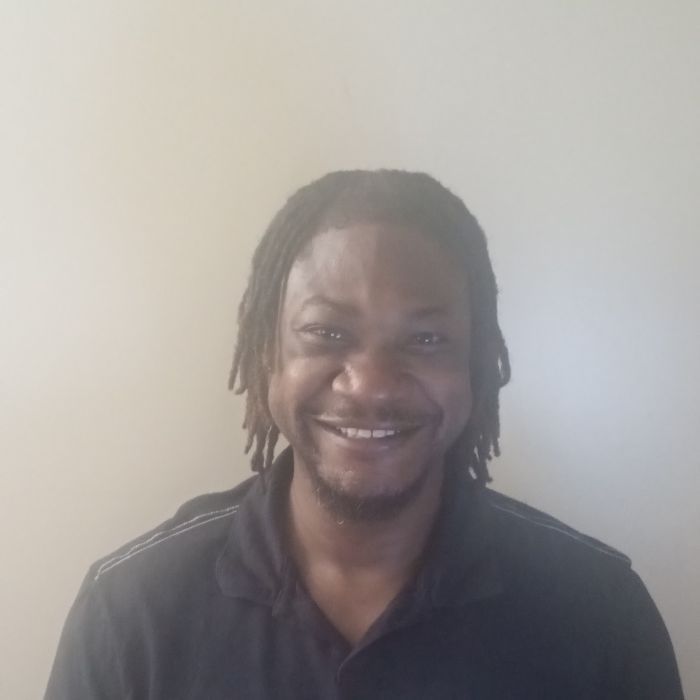
Today, I’m a certified peer specialist and the founder of Rebuilding The Black Nuclear Family (B.R.I.D.G.E.), an initiative built to break generational cycles and restore our families through peer mentorship, workforce readiness, mental health education, and spiritual empowerment. We serve foster youth, fathers, and families impacted by poverty and trauma because that’s where the healing starts. Through Rebuilding The Black Nuclear Family (B.R.I.D.G.E.), I’ve witnessed foster youth in New York begin to reclaim their sense of identity, purpose, and stability. Many have gone from feeling forgotten and unsupported to becoming empowered young leaders with a renewed vision for their futures. By providing culturally competent peer support, mentorship, and life-skills development, we’ve helped these youth navigate trauma, build resilience, and start breaking generational cycles with confidence and dignity. But I don’t just want to tell my story. I want to change the story.
We need early intervention programs that don’t just screen families for deficits but uplift their strengths. We need youth-led policy tables where our lived experiences are valued as expert analysis. We need schools to understand that systemic racism is a curriculum too — one that teaches us to disappear.
And most importantly, we need to invest in family restoration as much as we do in separation because no child should have to choose between survival and belonging. To every young person in foster care: You are not broken. You are not invisible. And your voice matters more than you know. To those in power: Stop studying us. Start listening to us. Let our pain shape your policies. Let our truth rebuild the system. Let our future start now.