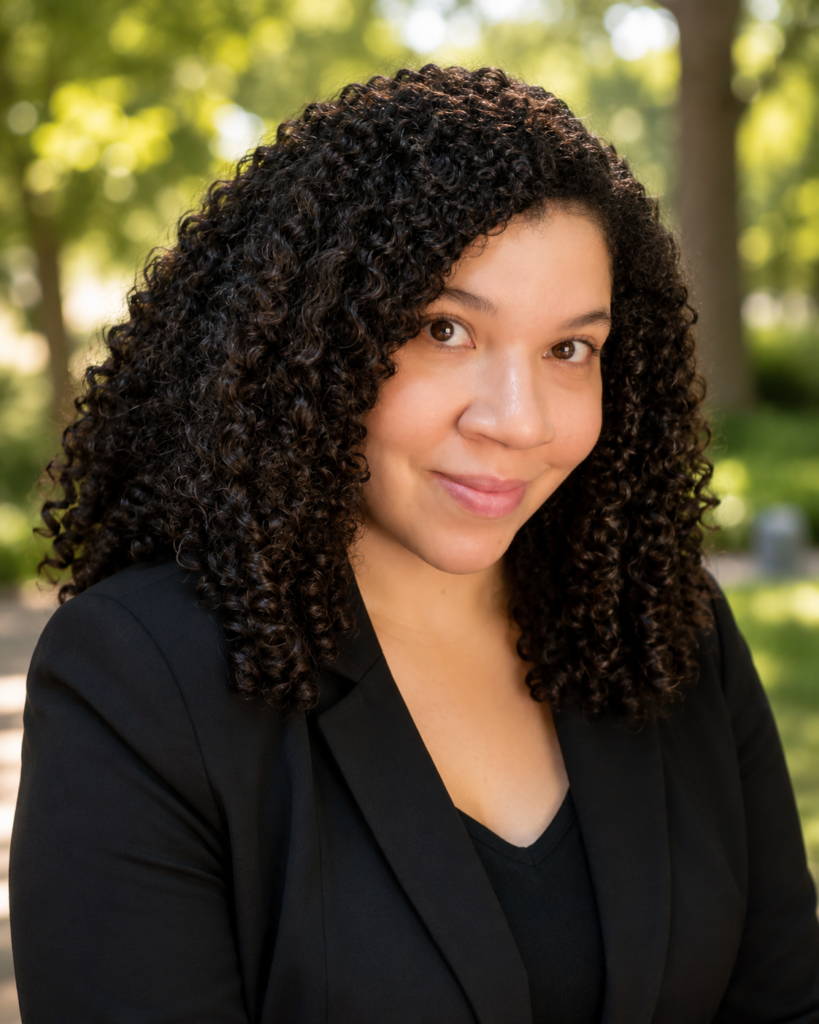
When I was 19, New York City’s foster care system found me a spot in what it calls supportive housing. I was so excited to finally have my own space after being shuffled around in the system since I was 15.

But my hopes for a happy, new, independent life would soon be dashed.
I am not alone. Within six years of aging out of the system, studies have shown one-quarter of foster youth will experience homelessness. A report published by the Department of Housing Preservation and Development earlier this year found that the City’s rental vacancy rate was 1.4%, leaving foster youth with excruciatingly limited housing options.
For those that are connected to housing, like me, the limited options available take the situation from bad to worse.
For me, supportive housing meant an apartment that I shared with another young woman in foster care. It was in Crown Heights, far away from where I grew up, in Queens. As I approached the new apartment building that would be my home, my heart sank. Trash littered the area. It was a complete mess. It looked like a place everyone else had given up on, yet I was expected to feel “lucky” to have it instead of facing homelessness.
When I came home every night, after being a full-time student at CUNY — John Jay College of Criminal Justice and working two jobs to sustain myself, as many young people who age out of the child welfare system do, I would find men loitering in front, smoking and drinking. They saw that I was going in alone, without a man, and that was frightening. They catcalled me often, which made me avoid going outside at all costs unless I absolutely had to.
There weren’t any security cameras in the lobby, and my packages were stolen all the time. The floors smelled like urine every day. I even experienced neighbors defecating in bags that they left in the hallways. There were always flies and mice. I could see mice in my apartment, and hear them eating through the Sheetrock and cabinets to get to my food and snacks at night. I couldn’t bring myself to cook in the kitchen. I thought to myself, ‘I am never bringing anyone here, I am so ashamed.’
In the winter, my roommate and I both plugged in our space heaters at the same time, and the electricity went out. The superintendent told us to go to the basement to flip the breaker. It was scary down there, so we didn’t go. We ended up taking shifts using the heater during the cold winter. It would actually be laughable if it wasn’t so sad.
I ended up bouncing through three of these supportive housing places until I finally had enough. Through my work as a youth advocate with the Center for Fair Futures’ Youth Advisory Board and as a policy entrepreneur at Next100, I made connections with city council members that turned into lifelong connections. One of them was New York City Council Speaker Adrienne Adams. I told her my story, and she got me moved to a place where I finally feel safe.
But it isn’t fair that most young people don’t have those kinds of connections. They just endure these substandard living conditions. Within my work at Next100, I recently surveyed 57 youth who had or are currently living in supportive housing. The stats aren’t pretty, but they represent our shared reality: 46% dealt with rodents, 58% had roaches or other insects, 37% had power outages and 35% reported safety hazards like mold or broken fire escapes.
From these survey statistics, I put together a longer report with quotes and testimonies from each of these young people, bringing our stories to light with recommendations for the city and state to make this kind of supportive housing an equitable and dignified option for young people — not just giving us a roof over our heads, but a real chance at a better future.
This year, I am part of a housing design fellowship where nine other youth and I have come up with recommendations on what kind of housing young people deserve. Is housing that’s sanitary, secure and in desirable locations too much to ask for youth like me who are coming out of foster care?
Youth who have had experience in the child welfare system need housing today, yesterday and tomorrow — but quality at that. Giving youth only the bare minimum — a place to sleep — allows these systems to mask the deeper issues, abandoning us as soon as we age out of care and are no longer seen as the city’s responsibility.
Young people didn’t choose to be in foster care, but they deserve to choose a future where they can thrive and be supported, not just shoved into low-quality housing and forgotten. No young person should have to fight for dignity in a system meant to protect them.