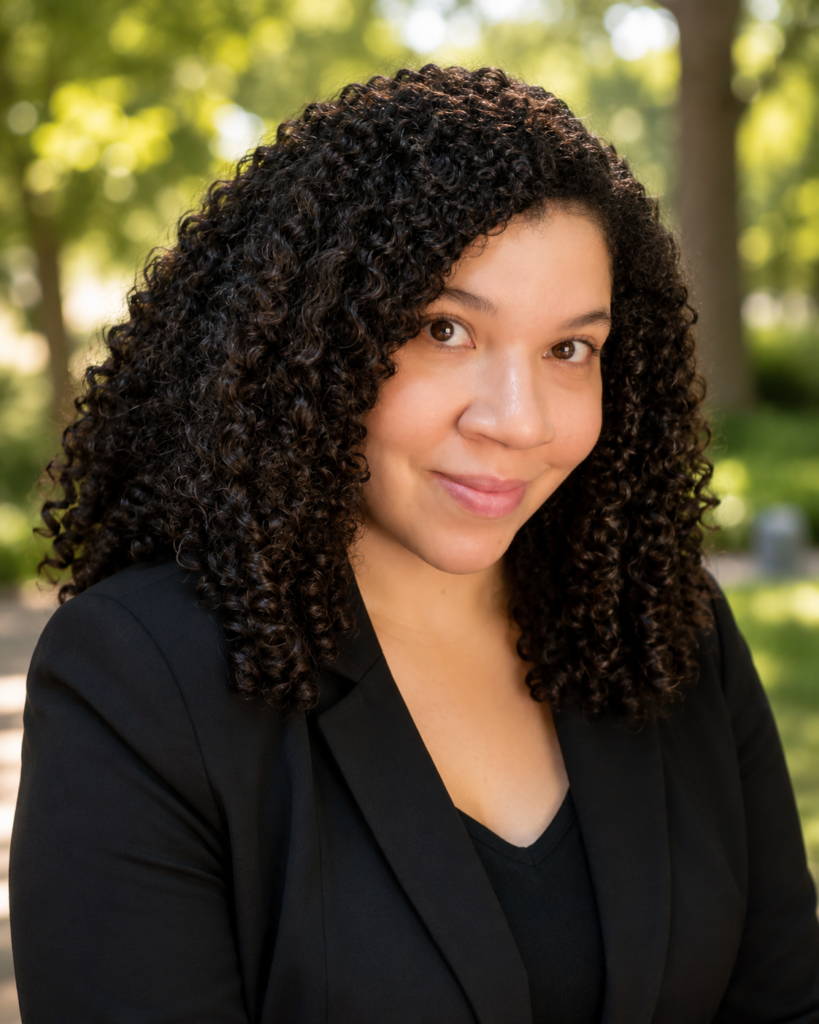
I remember when I received my college diploma. It was in May of 2020, right as the pandemic had just started. I had successfully navigated the educational system as a former foster youth and had obtained an associate’s degree in human services. In that moment, I became part of the 2-6% of former foster youth in the United States that would earn their two-year college degree, according to several studies published in the last few years. The statistic for former foster youth obtaining a four-year degree, at any point in their lives, is not much better, sitting at less than 5% of the population that makes up former foster youth. If you take into account that, according to the Minnesota Department of Education, over 72% of high school graduates in 2019 went on to enroll in college, it is startling the low percentage of former foster youth that obtain a college degree.
Why is the percentage low for former foster youth? Secondary education difficulties among former foster youth can be attributed to stability and predictability problems in childhood, financial resources regarding tuition, housing and other living expenses, access to reliable technology and high speed internet, as well as lack of help navigating the academic world whether in high school or college.
Stability and predictability is a fundamental part of life in childhood. For foster youth, this is often a factor that they lack in their lives. Due to frequent moves from one placement to the next, there is a constant changing of schools in the middle of a school year, as well as a constant need for special education classes due to the repeated disruption in a consistent learning environment. Taking into account that most foster youth have experienced some form of trauma in their lives, and deal with the repercussions of that trauma, it can be understood that many children are understandably behind in their academics, or struggle to comprehend the material presented to them. These concerning matters lead to an alarming statistic that foster youth are three times more likely to become high school dropouts than other low-income children, resulting in only 65% of foster youth actually graduating high school.
A lack of transitional assistance for foster youth aging out of the system leads to an alarming amount of financial difficulties among the youth. Considering that between 11% and 36% of foster youth will experience homelessness once they have aged out of the system, it is understandable to assume that housing stability, as well as affording basic living expenses, are another direct cause of the low number of foster youth graduating college. Aside from the basic college expenses, such as tuition and books, other expenses could include housing, transportation, medical, food, and technology and communication, such as a cell phone with data and a laptop. Access to high-speed internet, as well as a tutor if required, are additional expenses that could become challenging.
Lastly, a lack of guidance for foster youth navigating the academic world is also a challenge. From choosing the correct high school courses that ensure college acceptance and meet credit requirements for graduation to applying for the correct college program and classes, these are a few examples of areas that foster youth may need help navigating. As a former foster youth who received an associate’s degree, I can attest to the difficulties in understanding and navigating the academic world. I had a consistent need to ask important questions regarding my high school and college courses in order to ensure that I was successful. It can be understood that foster youth have a need for educational mentors throughout their high school and college careers, transitional assistance when aging out of the foster care system, as well as financial resources to help with college, housing, and other living expenses. The Minnesota Office of Higher Education recently partnered with local advocacy groups and created and implemented a program known as The Fostering Independence Higher Education Grants. This financial aid program was created to eliminate the barriers for Minnesota students who are under the age of 27 and were in foster care in Minnesota at any point after the age of 13, in order to ensure they can successfully pursue and obtain a college education. This program, which can be utilized on top of the Free Application for Federal Student Aid (FAFSA) and the Educational Training Voucher (ETV) programs, can assist foster youth in covering the full cost of college education as well as housing and living expenses. Though Minnesota is currently taking fantastic strides to bridge the gap for foster youth in the academic world, there is still much to be done to ensure our foster care population can become successful adults.