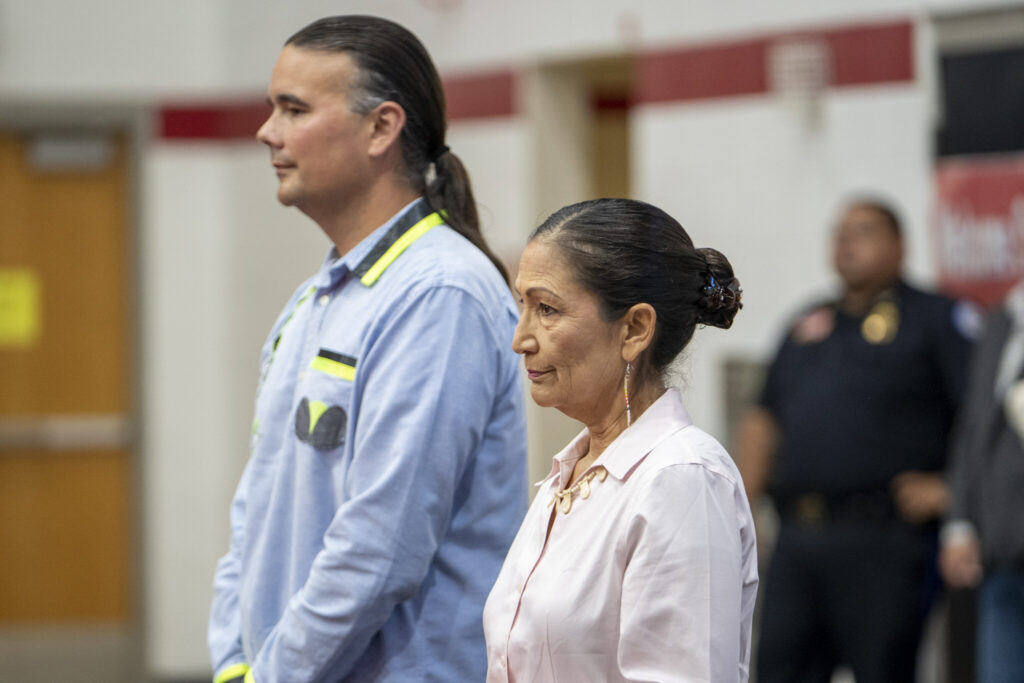

Marcus Walker, director of Mayor Andre Dickens’ Office of Violence Reduction, wants the public to know “everyone can be a part of solving trafficking.”
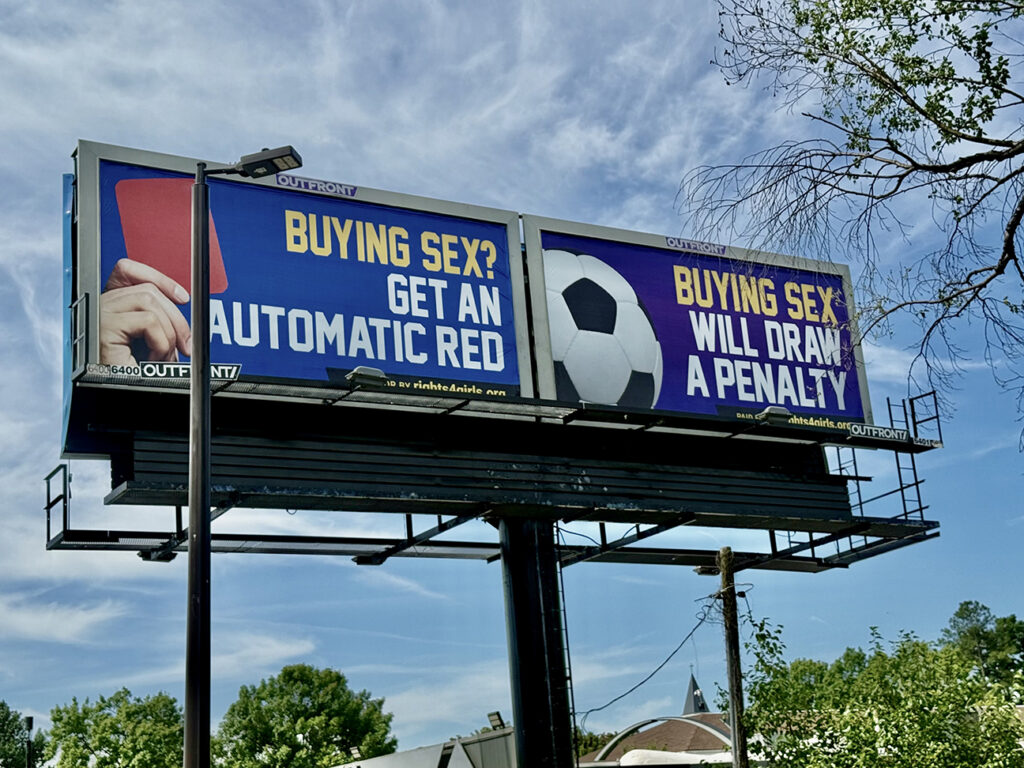
Billboards threatening consequences for people buying sex will greet thousands of soccer fans descending on Atlanta for the 2026 FIFA World Cup matches that begin Monday. Hotel staff and airport workers will be on alert for signs of sex trafficking. Pastel-colored backpacks stuffed with hygiene essentials and blankets will be on hand for the youngest exploitation victims.
Atlanta, one of 16 North American cities hosting the World Cup, has spent months ramping up efforts to combat sex trafficking during the global soccer tournament. Eight matches scheduled from June 15 to July 15 are expected to attract as many as 500,000 visitors to the city and generate $500 million in economic activity.
The city hasn’t hosted an international contest of this scale since the 1996 Olympics. But Atlanta officials and human rights activists say that along with an influx of fans, large-scale sporting events can also draw sex traffickers who assume law enforcement will be spread thin. The crime disproportionately affects girls and young women with histories of abuse and involvement in juvenile justice and child welfare systems.
“Where demand spikes, traffickers follow,” said Yasmin Vafa, director of Rights4Girls. The national human rights organization is sponsoring two anti-trafficking billboards positioned near Atlanta Stadium, where the games will take place. “In addition to all the fun and festivities, we also have to be vigilant and remember the most vulnerable in our communities.”
The hope is that increased attention and resources will scare off traffickers, put the public on alert for potential crimes, and help girls and women escape the trade, said Marcus Walker, director of the mayor’s Office of Violence Reduction.
“In addition to all the fun and festivities, we also have to be vigilant and remember the most vulnerable in our communities.”
— Yasmin Vafa, Rights4Girls
“Everyone can be a part of solving trafficking,” Walker said. “We are making sure that people moving around our city can see that our message is strong. It’s also for victims to know you have an out. You have resources and ways to get help.”
Atlanta Chief of Police Darin Schierbaum said earlier this year that police will have a “highly visible” presence in all city entertainment districts, transit hubs and hotels during the event. The victim-centered training his department received ahead of the World Cup taught officers how fear and trauma may cause those being trafficked to seem uncooperative when offered help, he said.
The city also established the Atlanta Alliance Against Trafficking Task Force in preparation for the games. Ideas generated by the collaborative effort between law enforcement, businesses and nonprofits include a mobile response unit that will canvas the city on match days for signs of trafficking and to offer victim support. Hotels, airports and other high traffic areas have been plastered with multilingual posters featuring a hotline number for those wishing to report trafficking or escape from it.
Atlanta organizations that provide services to trafficking victims have also geared up for the event. Workshops on how to recognize and report trafficking were held in Atlanta this spring for community members, business owners and church leaders, said Dionysia Ambrose of Wellsprings Living, which provides safe housing and therapy for women and youth escaping trafficking.
Adventure Bags, a nonprofit that works to assist children in crisis, has donated backpacks filled with comfort items and overnight essentials to local organizations serving child trafficking victims.
“We are making sure that people moving around our city can see that our message is strong. It’s also for victims to know you have an out. You have resources and ways to get help.”
— Marcus Walker, mayor’s Office of Violence Reduction.
Rights4Girls took a different approach to the problem: targeting the buyers who fuel this multibillion-dollar criminal enterprise. The billboards the organization is sponsoring outside Atlanta Stadium read “Buying sex will draw a penalty” and “Buying sex? Get an automatic red.” Similar displays are up in other host cities, including Dallas, Kansas City and Boston.
“What we really wanted to do was to shed a light on the often invisible role of sex buyers,” Vafa said. “Traffickers are largely responding to the profit incentive, so if we’re not engaging in any type of demand reduction, we’re really just spinning our wheels. If there was no buyer, there’d be no business.”
Vafa said public awareness and concerted enforcement efforts can make a difference. In 2019, 26 traffickers and 34 men who allegedly attempted to engage in sex with minors were arrested during the Super Bowl LIII in Atlanta. Eighteen trafficking victims, including nine minors — the youngest, a 14-year-old — were recovered, she said.
“There’s this inevitability attitude people take towards the sex trade, which is very defeatist and tragic,” she said. “We absolutely believe this is preventable. It’s nice to see Georgia really taking a stand to protect survivors.”
FIFA required all host cities to develop dedicated Human Rights Action Plans, but Atlanta was one of only four to publish one. Atlanta’s plan identifies human trafficking prevention as a priority for the city and commits to addressing the issue long after the tournament ends.
Earlier this year, the mayor’s Office of Violence Reduction also announced a separate but related effort: a partnership with “It’s a Penalty.” The global public awareness campaign uses major sporting events to raise awareness about human exploitation.
Under the initiative, airport employees, hotel staff and ride-share drivers are trained about how to identify trafficking warning signs and report suspicious activity. Partners in the effort include major travel and hospitality companies.