

In a nearly two-hour hearing Thursday, a House subcommittee that oversees human services spending debated ways to address children waiting too long in foster care without being adopted or reunified with their families.
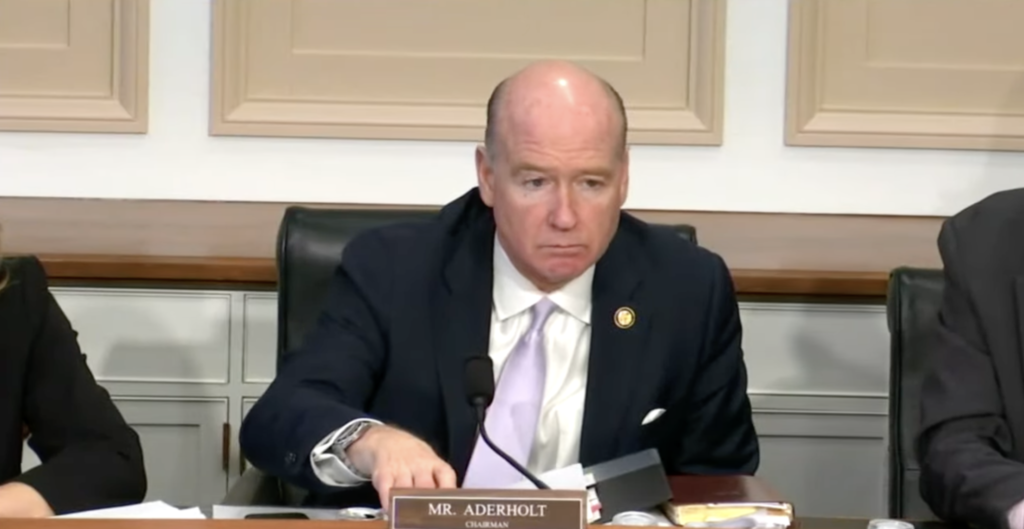
“We have an opportunity to encourage adoption, by supporting adoptive families, improving adoption awareness, and ensuring the process is accessible as well as ethical,” said Alabama Rep. Robert Alderholt, the subcommittee’s Republican chair.
At least one influential Democrat echoed his concern, saying 65,000 foster youth remain in foster care for at least two years, often without adequate mental health care.
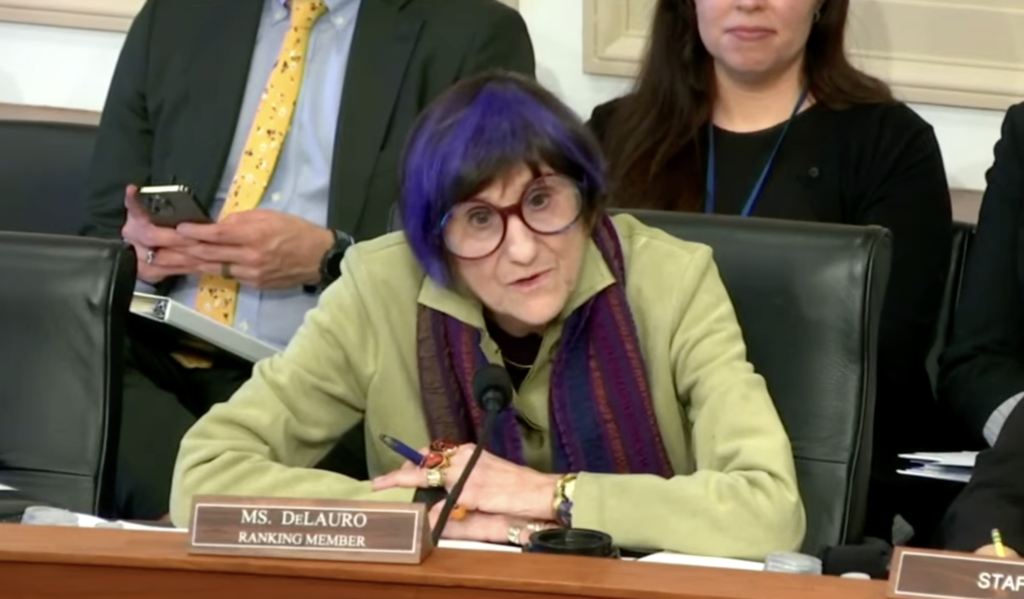
Rep. Rosa DeLauro of Connecticut, who described her cousin’s difficult experience in foster care decades ago, asked one witness whether shoring up supportive services for adoptive parents could reduce hesitancy and encourage more people to step up.
The number of youth who were adopted from foster care hit a record high of 66,208 in 2019, representing 26% of all exits from the system. That number dropped to 46,935 in 2024, but since the number of youth in foster care also declined steeply, adoption represented a slightly higher percentage of exits. Family reunifications and guardianship arrangements, typically with kin, are the most common outcome of foster care removals.
Other federal data suggests a shift in focus away from adoption, at least in some states: The number of children in foster care whose parents’ rights had been terminated dropped 29% between 2022 and 2023, while the number of kids for whom the stated permanency goal was adoption dropped 23%. In 2024 Terminations dropped another 8%, and adoption as a goal by another 10%.
Republican Rep. Andrew Clyde of Georgia said the length of time children spend in foster care before an adoption is “unacceptable,” given the billions of taxpayer dollars spent on the decades-old Adoption and Safe Families Act.
There was little discussion of specific legislation or new spending on adoption, but Aderholt, a senior conservative lawmaker from Alabama’s rural north, cited two priorities: post-adoption services for families, and improved recruitment of adoptive parents, which he said can make a “real difference.”
Lawmakers from both parties asked Aurene Martin, board member of the National Indian Child Welfare Association about the distinct child welfare and adoption issues facing Native Americans, who enter foster care at a disproportionately high rate.
Martin cited the need to support customary tribal adoptions, which do not involve termination of parental rights and allow Indigenous children to maintain ties to their communities. She said only a quarter of federally recognized tribes receive federal funding through Title IV-E of the Social Security Act — the main source of national foster care funding.
Above all, Martin said, non-Native people who adopt Native foster children must have a deep understanding of what they’ve been through.
“The main challenge facing Native children who are adopted is trauma — trauma not just with the child and that situation, but family trauma, intergenerational trauma that Native families and communities have suffered over time,” she said. “There’s a lack of understanding about that and how to treat that.”
Expert witnesses at the hearing had ideas for addressing related issues: making it easier to federally fund post-adoption support programs, launching a national task force to audit child welfare policies and practices, and investing in workforce training for caseworkers, judges and and adoption placement specialists.
Two witnesses cited the need for more investment in the so-called “permanency” workforce — employees whose jobs focus on finding adoptive families who would be a good fit for foster children unlikely to return to their biological families.
“Encouraging agencies and states to hire adoption specialists, like recruiters who are dedicated to helping promote families and dedicated to finding adoptive families for these youth, is critical,” said Kate McLean, executive director of the Congressional Coalition on Adoption.
Sarah Font, a social work researcher and former child welfare caseworker stressed the need for better data on broken or failed adoptions, where children re-enter foster care. In 2022, a USA Today investigation found that at least 66,000 children had experienced broken adoptions from 2008 to 2022.
Font cited one systematic issue that has made it hard for advocates, journalists and policymakers to address this issue: when a child is adopted, states often assign them new identifiers for federal data reporting purposes — what she called an “ID break.”
“Most states are unable to tell you how many of the children they place in adoptive homes, are later maltreated in those homes, or re-enter foster care,” she said. “Fixing the ID break will be an important step for monitoring outcomes.”