
Child Protective Services knocked on Megan Baxter-Scott’s door in Buffalo, New York, with an emergency request: Her 17-year-old stepdaughter from a previous marriage was in trouble, and the agency needed a family member to take in the teen’s 4-month-old son. The custody transfer would be informal, the social worker said; a quick arrangement that would bypass the family court system, keeping the child with relatives and out of foster care.
It was 2023, and at the time, Baxter-Scott was a 47-year-old single mother. She had a full-time job, two teenagers of her own and a home that felt just big enough. To say she was unprepared to care for a baby was an understatement. But she knew what awaited the child if she said no. She’d been in the foster care system herself. She didn’t want him to end up with strangers.
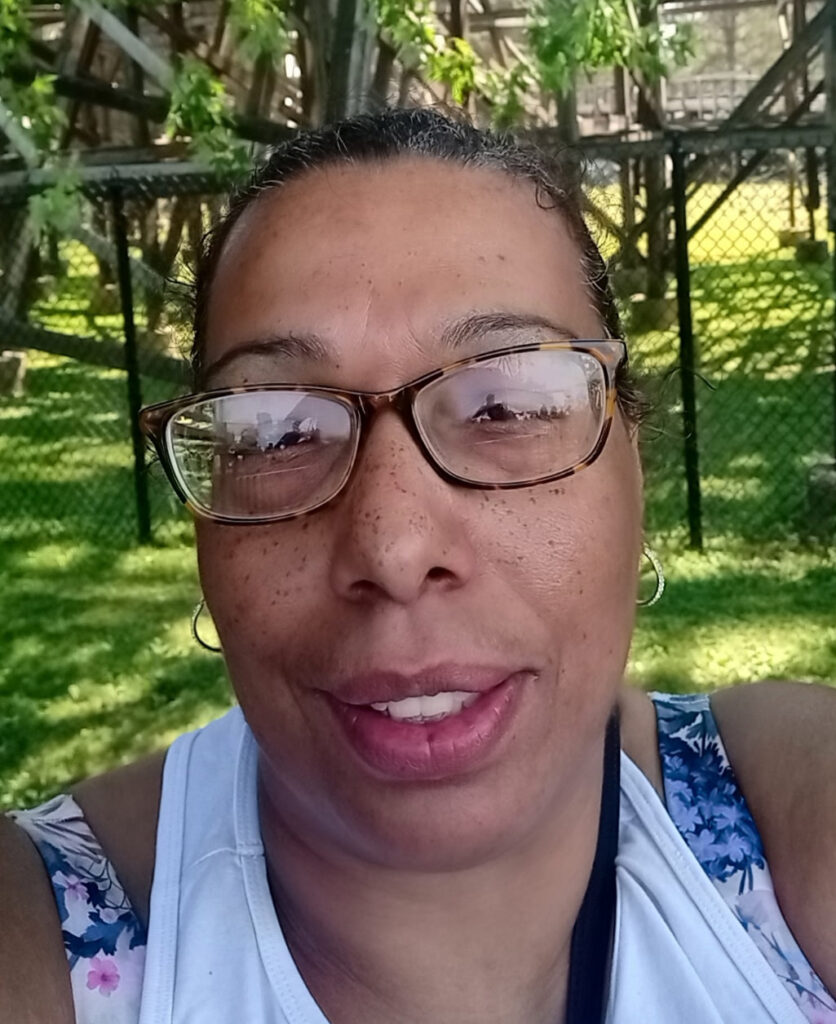
She’d make it work, she told herself.
“What I experienced in the foster care system, I never, ever want anybody in this lifetime to experience,” she said.
Her story is one of many across the country regarding a practice known as “hidden” or “shadow’’ foster care: informal arrangements in which children are diverted from official foster care systems and instead placed in homes of relatives or friends following CPS investigations.
Concrete data on the numbers of these children in New York does not exist, making the practice difficult to regulate.
But under a recently passed bill in New York, these arrangements would be brought into the light, marking a first step toward fully understanding the extent of the practice and perhaps curtailing it. Critics say hidden foster care circumvents legal protections, relieves governments of their responsibility, and robs caregivers of vital support and resources that are available under the formal child welfare process.
“There’s millions of children that just live with other people, and there’s no data on it. And it does a disservice, not only to kinship caregivers, which I’m passionate about, but the whole family — the children, the parents,” said one of Baxter-Scott’s pro bono attorneys, Sarah Hedden, who also helped draft earlier versions of the bill.
“It’s time to bring hidden foster care arrangements out of the shadows to ensure that we’re doing right by New York’s children and that every guardian has the support they need.”
— N.Y. state Sen. Jabari Brisport
The New York legislation, unanimously passed by the House and Senate in June, would require local child welfare agencies to track and compile an annual report of any “alternative living arrangements” for children whose families are investigated by Child Protective Services. Along with a physical count of the cases, the report would detail the length of time children are separated from their parents and whether they are eventually returned. It would also include the demographics of impacted families, according to the bill’s language.
Sponsored by Sen. Jabari Brisport and Assemblymember Andrew Hevesi, the bill has until Dec. 31 to be delivered to Gov. Kathy Hochul.
“It’s time to bring hidden foster care arrangements out of the shadows to ensure that we’re doing right by New York’s children and that every guardian has the support they need,” Brisport stated in an email to The Imprint.
Little support for informal caregivers
Baxter-Scott said she took custody of her grandson more than two years ago after her stepdaughter was involuntarily admitted to emergency psychiatric care. Her ex-husband, the girl’s father, was unable to care for the baby, she said, so she stepped up. She welcomed the baby into her home the day after CPS asked for her help.
Had child welfare workers filed a child maltreatment accusation against Baxter-Scott’s stepdaughter, a court hearing would have been triggered and the child would have gone into the county’s foster care system — if the judge permitted his removal. Instead, CPS workers created a “safety plan’’with Baxter-Scott. These plans, a feature of hidden foster care arrangements, are written or verbal agreements between assigned guardians and CPS and do not need a judge’s approval.
Because her grandson never formally entered foster care, Baxter-Scott was designated an informal guardian — not a licensed foster parent. Under New York law, licensed foster parents are eligible to receive roughly $1000 a month from the state for children under 5 years old. But as an informal guardian, Baxter-Scott isn’t entitled to any financial assistance. Despite her full-time job as a patient care technician, she said, it was a struggle to pay for the baby’s needs — the car seat, the expensive formula, the endless diapers.
“Foster parents have stipends and they have help; they can call for resources,” Baxter-Scott said. “I just have to deal with it.”
A $400 monthly grant from a federal program for needy families has recently provided a bit of relief. But to make it all work, she’s cut out a lot — trips to the mall and new phones for her older children. She’s shared her bedroom with her grandson for nearly three years now. Her sister sometimes helps with expenses, and she relies on nearby family members for childcare.
She did all of this, she said, because she didn’t want her grandson to enter the state’s child welfare system and experience the trauma of feeling unwanted. She’d known that feeling as a child. When she was a teenager, her adoptive parents sent her back into the foster care system after she lived with them for only two years.
“You know how you can just return a shirt that you don’t want? It felt like that,” she said.
Her grandson, Baxter-Scott said, “is family.” She is currently petitioning family court for full custody.
“I just want him safe and happy. It’s motherly instincts, and I do what I think is right.”
A ‘shadow system’
The practice of hidden foster care captured national attention in 2020 after Columbia law professor Josh Gupta-Kagan released an expansive Stanford Law Review article that pointed to studies suggesting 250,000 or more children in the country were overlooked in this “shadow system” each year.
Proponents of these custody arrangements say they help keep children connected to family and communities. Research has found that keeping children with relatives leads to better health outcomes for them, fewer behavioral challenges, reduced trauma impacts, and deeper ties to their cultural identity and history.
But critics of hidden foster care say the absence of due process in these arrangements hurts parents, children and caregivers.
Unlike cases handled in family court, CPS does not have to present evidence to a judge of maltreatment or safety concerns to justify a removal under these informal arrangements.
“Foster parents have stipends and they have help; they can call for resources. I just have to deal with it.”
— Megan Baxter-Scott
And although safety plans are voluntary, critics consider them coercive, and say parents often feel pressured into agreeing out of fear their children will be placed with strangers. Additionally, parents frequently don’t have a clear understanding of when they will regain custody, said Diane Redleaf, a family defense attorney.
“In the name of keeping children with family, the state has been given a free hand to separate children from their parents, and put severe restrictions on children’s interactions with their parents with no clear support for eventual reunification,” Redleaf said.
Children in these informal living arrangements are not entitled to the health care and therapy services that children in foster care are, critics point out. And while courts must provide lawyers for indigent biological and foster parents, they are not required to do the same for low-income kinship caregivers.
Plattsburgh, New York, resident Angelle Pascoe has experienced both types of custody arrangements. She became an unofficial guardian to her newborn granddaughter five years ago, after receiving a call from a hospital. The little girl had been born dependent on heroin, Pascoe was told by hospital staff. CPS caseworkers and the infant’s mother — Pascoe’s stepdaughter — were hoping Pascoe could take her in. With little support, it was difficult, she said.
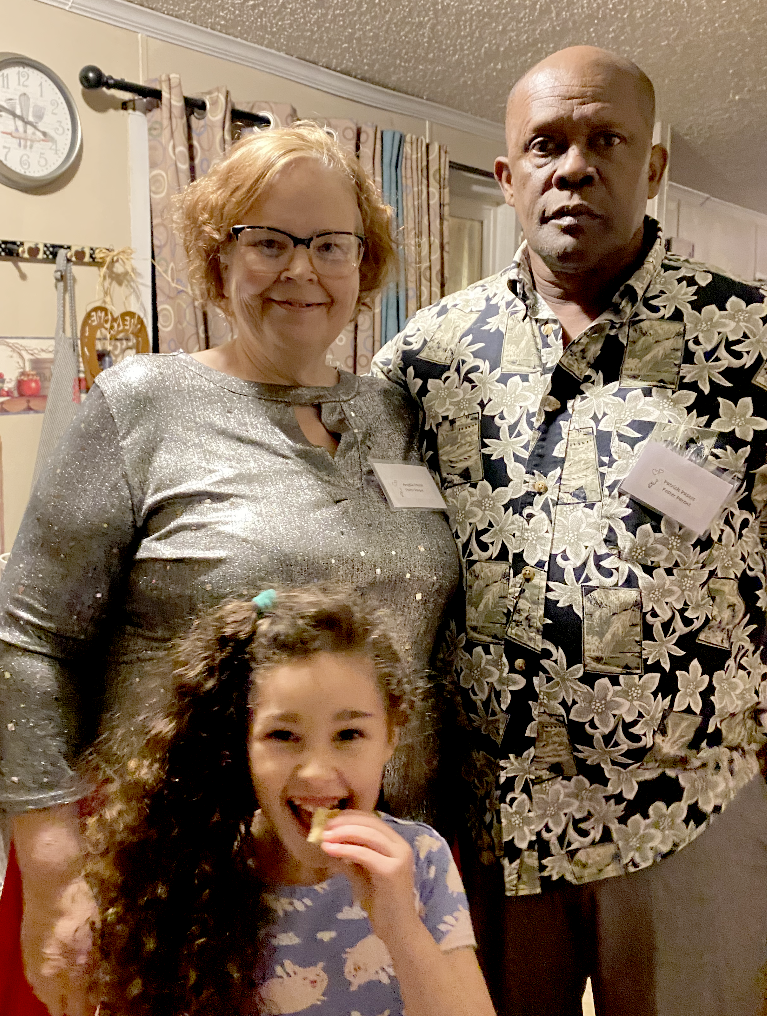
“It was tough dealing with a baby going through withdrawals,” Pascoe said, “It was an emotional rollercoaster.”
Much of this improved when she became a licensed foster parent. Unlike in Baxter-Scott’s case, CPS eventually did file a formal case alleging maltreatment against Pascoe’s stepdaughter, who surrendered her parental rights when the baby was eight months old.
As a licensed foster parent, Pascoe started receiving a monthly stipend of roughly $500 from the state. Her local child welfare agency also connected her to caseworkers and support groups. When issues regarding custody and visitation arise, the former hotel housekeeper feels less alone.
“You have somebody to call and say, “Is this what’s really supposed to be going on?” she said.
But she knows many others in the same position she once was. In the mobile home park where she lives, two of her neighbors are grandmothers who agreed to safety plans with CPS. They struggle to take care of their grandchildren without any financial support from the state, she said.
Pascoe said tracking these arrangements and being able to understand how many of them exist would be “an eye-opener for a lot of people.”
Tracking the practice in other states
Around the country, some states such as Georgia, Texas and Washington do track kinship diversion data, Redleaf said.
Texas began collecting the information after the passage of a 2023 law that curbed the practice of hidden foster care. Under the new regulations, informal custody arrangements expire after 30 days and can only be renewed for a maximum of 90 days. After that, children must be reunified with their parents, or a court hearing must be held to determine next steps. Social workers must inform parents of their right to an attorney before they agree to anything, and the state child welfare agency must track and report any informal arrangements to the federal government.
Do you have experience or tips you’d like to share about kinship caregivers or hidden foster care? E-mail ssarkar@imprintnews.org.
Since the law took effect, the Texas Department of Family and Protective Services has recorded a steep drop in hidden foster care placements, from 12,000 Texas children in 2021 to 2,440 in fiscal 2025.
Federal efforts have been less successful. Last year, a 13-month investigation into Georgia’s foster care system by Democratic Sen. Jon Ossoff led to a bipartisan proposal that would have required all states to publicly track these custody arrangements and submit an annual report to Congress. But the Foster Care Placement Transparency Act died before being voted on by either house.
If signed into law in New York, the legislation awaiting Hochul’s signature could help caregivers like her, Baxter-Scott said.
“The bill is very important because it’ll bring light to what’s really happening underneath the surface,” she said. “There are resources that should be available for those kids just like it is for the other kids.”