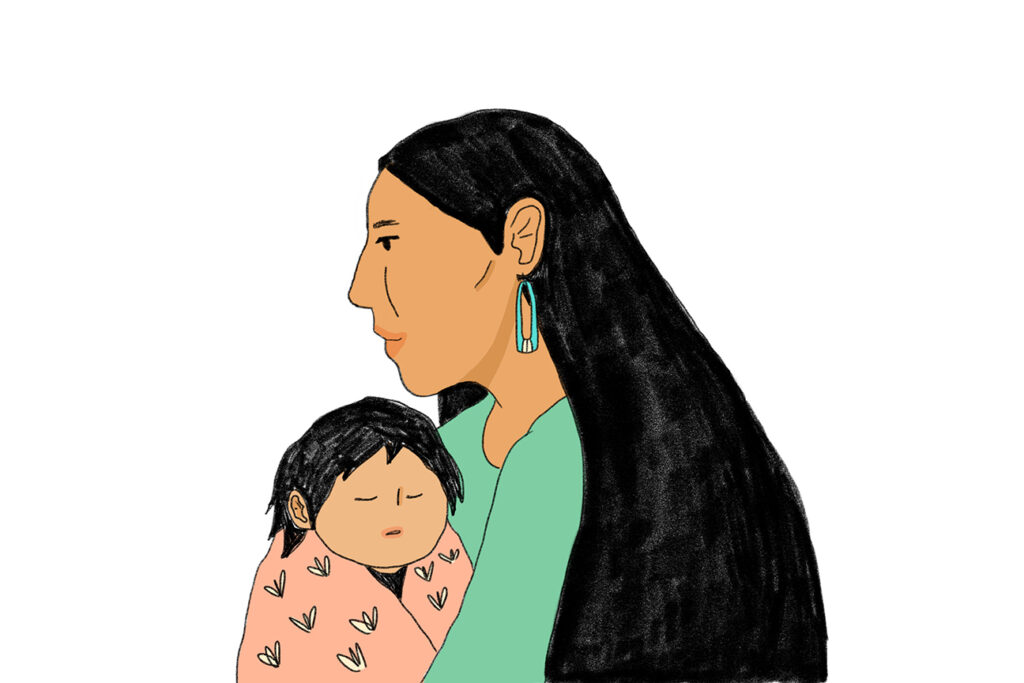
Mental health conditions are the leading cause of maternal death among Native American women, federal researchers reported earlier this year — one of several preventable factors. Others include patients whose pain was dismissed or their care delayed.
Deaths caused by mental health struggles accounted for 35.5% of the cases according to the Centers for Disease Control and Prevention. That rate among pregnant and new moms is 8% higher than such deaths in the overall population. Underlying causes included postpartum depression, anxiety, depressive and bipolar disorders, suicide and substance use disorders, including unintentional overdoses.
Andra Wilkinson, a senior research scientist at the Child Trends research organization, said while there are encouraging signs of progress, improvements are still needed.
“Postpartum and prenatal depression screening has gotten a lot better — but in terms of being culturally grounded and able to support the birthing person and their child and families, we still have a tremendously long way to go,” Wilkinson said. “Us pretending that maternal health is completely devoid of any mental health or substance use complications inevitably costs us more money and lives.”

The CDC report is based on vital, medical and social service records from 2022, compiled by maternal mortality review committees in 45 states that the federal agency funds. In addition to mental health conditions, the committees identified infection, cardiovascular problems and hemorrhage as underlying causes.
The report did not quantify the number of women who died in 2022, but other recent CDC statistics show there were almost 55 pregnancy-related deaths of American Indian and Alaska Native women per 100,000 live births.
The recent CDC stats also reveal that:
- Almost 95% of the pregnancy-related deaths were preventable — failures that extended to the community, providers, facilities and systems of care.
- Three-fourths occurred in the year after the baby was born, as opposed to during pregnancy or birth.
- Discrimination contributed in more than 20% of cases, including patients treated less favorably, clinicians dismissing symptoms of abdominal pain and delays in diagnoses and care for emergencies such as ruptured ectopic pregnancies.
- Suicide accounted for 9.7% of deaths, and none resulted from homicide.
Supporting Native moms involves honoring culture and tradition
Child Trends highlighted the importance of the findings in a May policy brief, saying that American Indian and Alaska Native maternal health “has been underrepresented in national data and left out of broader policy conversations” for too long. The new statistics help bridge the gap and “offers an important opportunity to guide funding, service delivery, and data-system improvements.”
In interviews, experts in Native maternal health said the looming presence of CPS is a known contributor to poor maternal outcomes — particularly in doctors’ offices.
“The stigma around mental health means a lot of pregnant people openly say they fib, because they know the implications,” Wilkinson said. “If they’re really honest, what happens — are they going to take my baby away? Am I going to get in trouble?”
“pretending that maternal health is completely devoid of any mental health or substance use complications inevitably costs us more money and lives.”
— Andra Wilkinson, Child Trends
After centuries of attempted genocide against their families and tribes, sterilization campaigns, forced attendance at boarding schools and adoptions into non-Native Christian homes, Native American parents are now the group most likely to lose their infants and children to foster care.
Spero Manson, a Little Shell Chippewa medical anthropologist and director of the Centers for American Indian and Alaska Native Health, agreed that high rates of child removals in Indigenous communities contribute to poor maternal health outcomes.
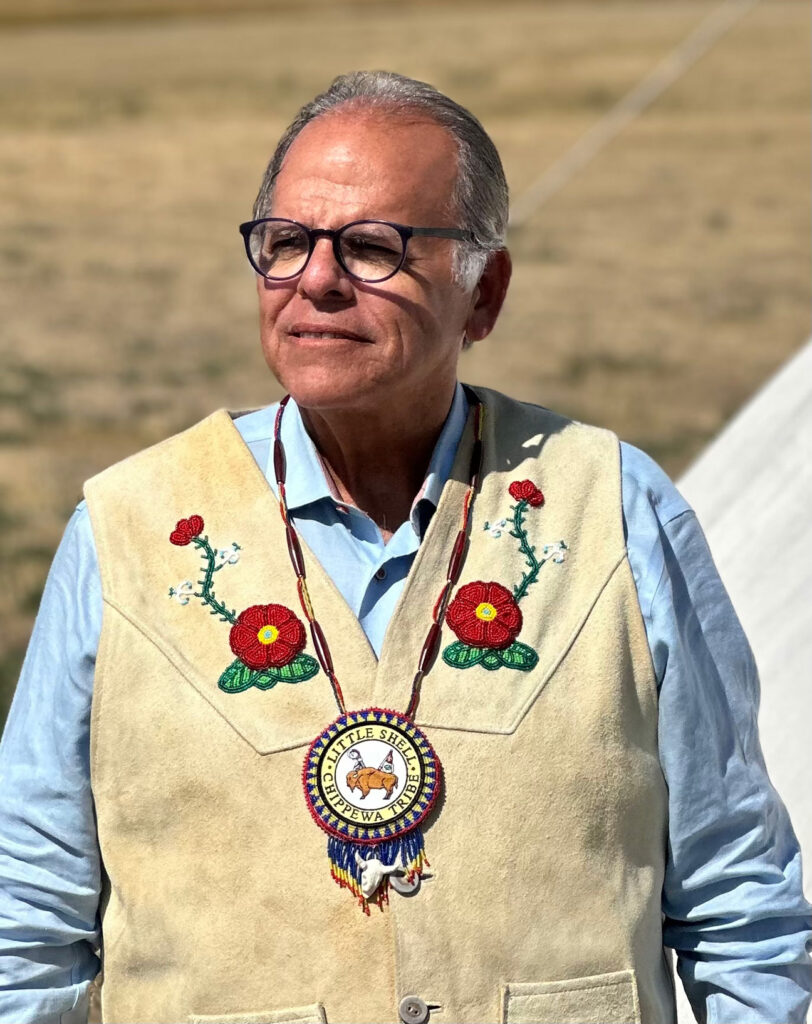
“Depression, anxiety and post-traumatic stress disorder constitute a major risk to maternal morbidity and mortality in and of themselves — but it doesn’t end there,” Manson said. “We know that treatment for mental health is deeply compromised to the extent that we ignore the role of those illnesses in the ability of women to engage meaningfully and long term in the preventive and treatment resources available.”
Efforts span the nation to improve maternal health
Tribes and nonprofit groups across the country run an array of programs and services to improve maternal health among Indigenous women — many providing cultural and material support to reduce stress and emotional difficulty during childbearing years.
Running Strong for American Indian Youth, an Alexandria, Virginia-based nonprofit, distributes 2,000 maternal health kits annually to dozens of tribal communities. The kits include everything from diaper rash ointment to nursing pads and vitamin gummies. Cheyenne River Sioux tribal member Laura O’Leary runs the Bebela Project in South Dakota, supplying mothers with car seats and resources for safe sleeping.
In Washington, Hummingbird Indigenous Family Services serves Native families in Pierce, King and Snohomish counties. They provide free monthly parenting and crafting classes on how to make cradleboards and birthing dresses. Another Hummingbird program is Doulas with Dinners, a postpartum meal service for Indigenous moms.
The nonprofit’s founder and executive director, Camie Goldhammer — who is Sisseton-Wahpeton Oyaté — said a big part of Hummingbird’s work is bringing back the idea of “mothering as a cultural practice.”
“We’ve never been meant to mother alone,” Goldhammer said. “We had this culture of aunties, grandmas and other women that took care of us.”