
Caitlin Clark, the most celebrated college basketball player in recent memory, received her first Division I college offer in seventh grade. By the time she was 13, a plan for her future was already in motion. Scouts had noticed her, universities had made space and she had options.
Now imagine if we offered youth living in foster care that same level of intention and investment. Not just vague encouragement to “dream big,” but concrete pathways: early planning, guaranteed college seats, consistent advising and a support system that follows them no matter where life takes them.
Each year, close to 20,000 youth age out of the foster care system in the United States, and less than 5% of them will go on to graduate from a four-year college. This isn’t because they lack ambition. It’s because the systems that should support them fall short, especially when it comes to higher education.
While the child welfare system is designed to protect children from harm, it is not built to help them thrive in adulthood. While foster youth attend public schools, the child welfare system is often the main system responsible for guiding their long-term planning and post-secondary readiness. This reliance continues to produce unfavorable outcomes for young people transitioning out of care.
Contrary to common perception, cost is not the biggest barrier. Millions of dollars in tuition waivers, Pell Grants and education and training vouchers are available every year for college-bound foster students. But too often, they are unaware of these programs, and nobody helps connect them. In Illinois alone, the Student Assistance Commission reported that of the 3,028 foster youth who completed the Free Application for Federal Student Aid (FAFSA), only 835 ultimately enrolled in college, leaving substantial financial aid unclaimed.
These students did what was needed: they graduated high school, completed the forms, played by the rules. What they didn’t have was a support system that translated eligibility into enrollment. To cross the finish line, there needs to be a system to help them choose the right school, understand their aid, connect with admissions counselors and plan for success.
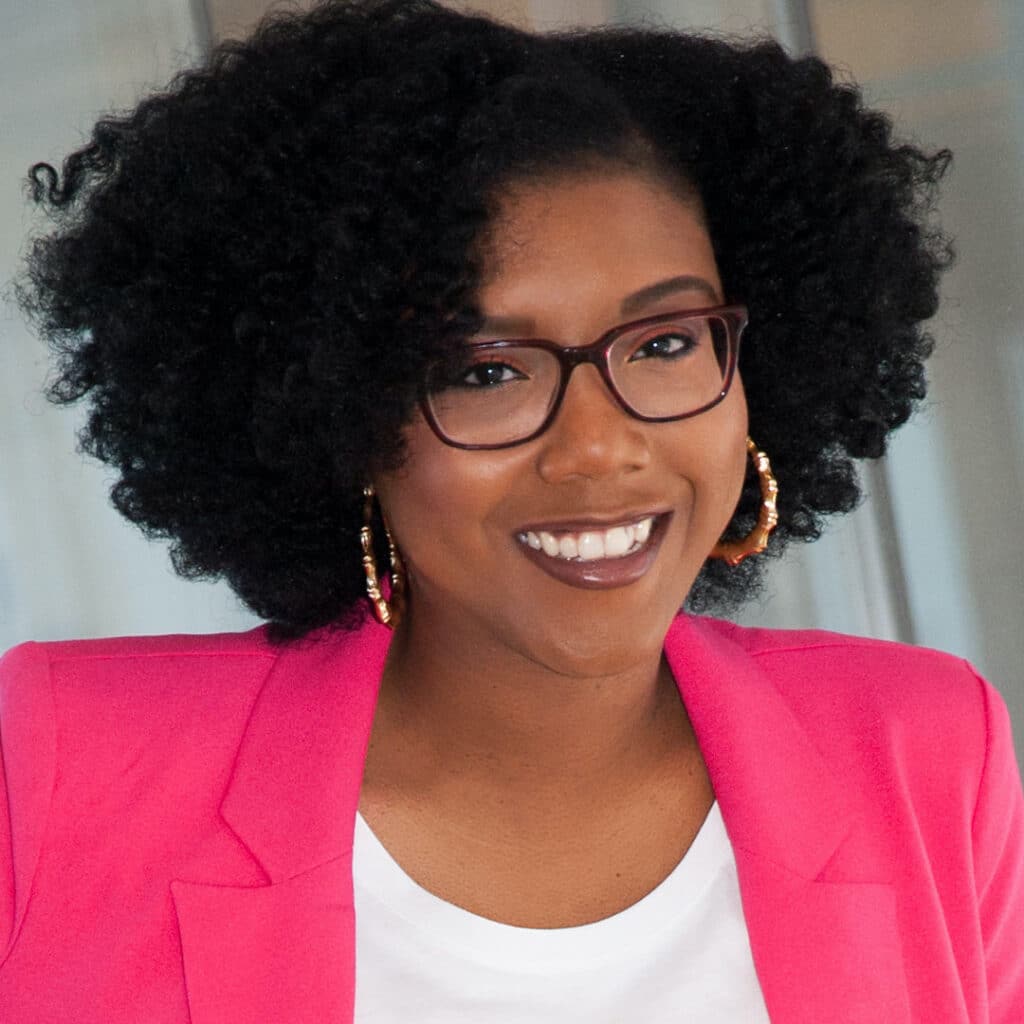
From my own experience navigating the foster care system, and later working in it as director of recruitment and training at Court Appointed Special Advocates (CASA) of Cook County, I’ve seen how most interventions for foster youth are designed to manage crisis, not create opportunity. While the work of addressing trauma and preventing immediate harm is critical, it is incomplete. Rarely do these systems make college and career planning a priority and too often post-secondary planning is not addressed at all.
Without intentional college and career planning starting well before high school, many foster youths are set adrift at 18, asked to make enormous life decisions without guidance or support.
I was one of the lucky ones. A member of my local church who was a college professor took the time to walk me through my FAFSA application, essays and college choices. Because of her help, I was exposed to the possibility of attending college and ultimately applied and enrolled. That act changed the trajectory of my life. But we cannot rely on chance for something so fundamental. College access shouldn’t depend on being lucky enough to know someone.
What’s needed now is a systemic shift: one that treats college planning for foster youth with the same urgency, structure and coordination we afford to top athletes. That means digital tools that follow students across placements and school changes. That means child welfare agencies and higher education institutions working together to ensure support doesn’t stop at high school graduation. And it means colleges actively reserving space for these students, not as charity, but as a commitment to equity and potential.
Platforms like Homeplace, a tool I helped develop at TasselTurn to address this gap, demonstrate what’s possible when college planning for foster youth begins early and is designed to adapt to their lives. By providing consistent support that follows students across placements and schools, digital platforms can offer the stability and structure that many foster youths lack elsewhere. This kind of infrastructure is essential for foster students accessing college.
We need policymakers to ensure that postsecondary planning for foster youth includes direct engagement with college representatives before youth transition from care — not just plans on paper, but real opportunities explored and secured. Higher education leaders must actively recruit foster youth and technologists and funders should invest in the digital infrastructure that turns eligibility into enrollment.
With graduation season upon us, it’s worth asking: How many promising students have been left behind not because they weren’t college-ready, but because we weren’t ready for them?
This isn’t a question of possibility; it’s a question of responsibility. What we need now is the will to act.