
Every year, thousands of young people across the U.S. leave foster care with no stable housing, no financial cushion, and often no adult they can call in a crisis. Most parents would never expect our own kids to be fully independent at that age, and all of us were still coming into our own when we were that young. It’s hard to understand why we keep expecting it of young people who’ve already experienced so much instability.
And yet, that’s still the default. Those of us who work in the foster care space know the long-lasting impact of not having stability at crucial developmental periods. Compared to their non-foster peers, youth who were in the foster care system experienced higher rates of homelessness, lower rates of college completion, and uneven access to jobs that lead to real stability.

The path to filling these gaps is to get the public, policymakers and the media to see and hear these youth for who they are: strong, capable people with a lot of promise and, through no fault of their own, the justified need for a bridge to adulthood.
Youth voice gets talked about a lot in this field, but it’s still too often treated as additive instead of foundational. The reality is, most of the meaningful reforms in foster care have come directly from young people pushing for them. They’ve been full-throated and clear about what helps and what doesn’t.
At the same time, there’s another force shaping this system that gets less attention: the stories that we adults tell about it.
Foster youth are largely invisible in mainstream media and popular culture. When they do show up, it’s often in narratives that focus only on trauma or dysfunction, or media coverage that oversimplifies and stereotypes. They’re victims or aggressors, not multifaceted or even simply resilient.
When a positive and thoughtful depiction does come along, it’s almost hard for the public to believe. An analysis by researchers at the Center for Scholars & Storytellers at UCLA on the 2018 film Instant Family, an uplifting comedy about three siblings in foster care, found a profound divide in perceptions between youth with and without foster care experience. Youth with first-hand experience were 3.43 times more likely to believe the playful portrayal of the youth in foster care in the movie were accurate, compared to youth with no first-hand experience.
That has consequences. Entertainment media not only has an impact on kids’ self-esteem, but also has the power to galvanize action. Stories about foster care impact how the public thinks of foster care, if at all. If we ensure these stories reflect the real lives and experiences of foster youth, not only will the public understand exactly why we need to pay attention to this issue, but we will also give young people in the foster care system the ability to see themselves positively in the stories they love.
And, that is why for Foster Care Awareness Month, and with the support of the Conrad N. Hilton Foundation, we have launched a YouTube Kids Video Playlist featuring young people of diverse backgrounds who have been impacted by foster care, in an effort to reach their younger counterparts and Americans at large.
It features real young people with foster care experience telling their own stories: on their own terms, in their own words, with the full complexity and strength that mainstream media almost never shows. We know that once youth voices are heard, they can not be forgotten, and meaningful change can occur.
Those of us who have been listening to foster youth know, from their experiences and their perspectives, that what we have to do now is create bridges that pave a better pathway for youth in foster care after they turn 18, and that close the gap between foster youth and their peers.
Fortunately, young people from foster care, and the organizations that advocate alongside them, have offered research-backed policy proposals that can help guide our next steps. The bipartisan agenda put forward by the Journey to Success campaign lays out a practical path forward; it’s one that focuses on mental health, family connection and economic stability. These focus areas are aligned with data and shaped by what young people in the system have been saying for years.
One of the clearest examples of a successful bridge is extending foster care to age 21. Some states have built strong systems that allow young people to stay in care until 21 with comprehensive support and document successful outcomes. Others haven’t.
We need a national commitment to extended foster care through age 21, with real implementation behind it, not just policy on paper. And it has to come with the basic supports that actually make independence possible: stable housing, access to education, and pathways to careers that don’t collapse the moment a young person hits a setback.
Narrative drives policy more than we often realize. If the dominant story is that these young people are “too difficult” or “too damaged,” it becomes easier to justify underinvesting in them. If the story is that the system is broken beyond repair, it can flatten urgency instead of building it.
But when more stories reflect the truth that young people in foster care are multifaceted, capable, and deserving of real opportunity, we can build not only empathy but the political will for policy change. It shifts something.
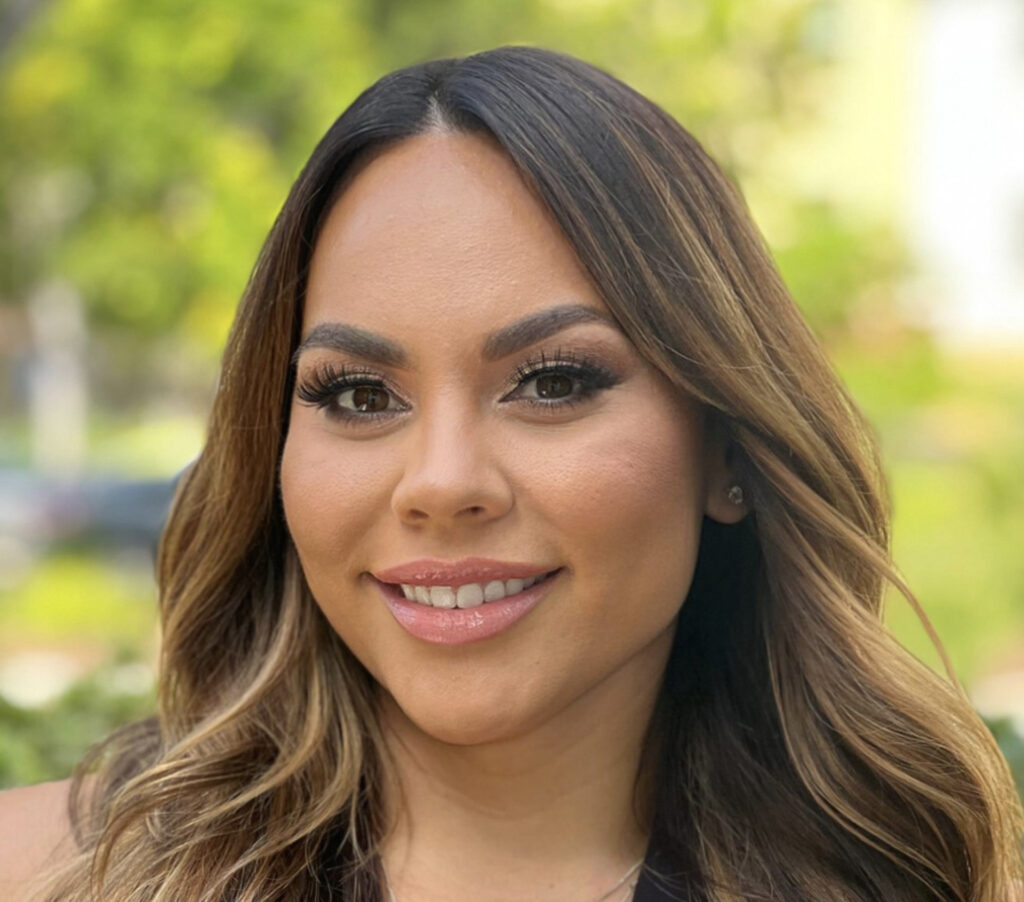
“That’s the part that people just don’t see. Having the drive… the qualifications, and still be stopped by barriers. Working in the community taught me this — older foster youth need more support, not silence. We don’t stop needing guidance just because we age out. So this is who I am. Still showing up. Still advocating. And, still shining” says Alexis Obinna, a lived expert and extended foster care advocate featured in the YouTube Kids Foster Care Playlist.
You can also see that well-needed shift in some of the youth-written pieces and reporting in The Imprint itself. When young people speak for themselves, the conversation changes. The focus moves from survival to stability, from managing risk to building futures.
That’s where policy and storytelling start to reinforce each other to bridge the gap between ideas and action.
We know extended foster care works. We know stable housing and financial support matter. We know that strong relationships, having even one consistent adult, can change the trajectory of a young person’s life. And we know that when young people are seen and heard, systems improve.
The path to independence doesn’t end at 18. There’s no reason for our support to end there either.
So the question isn’t what to do. It’s whether we’re willing to follow through.