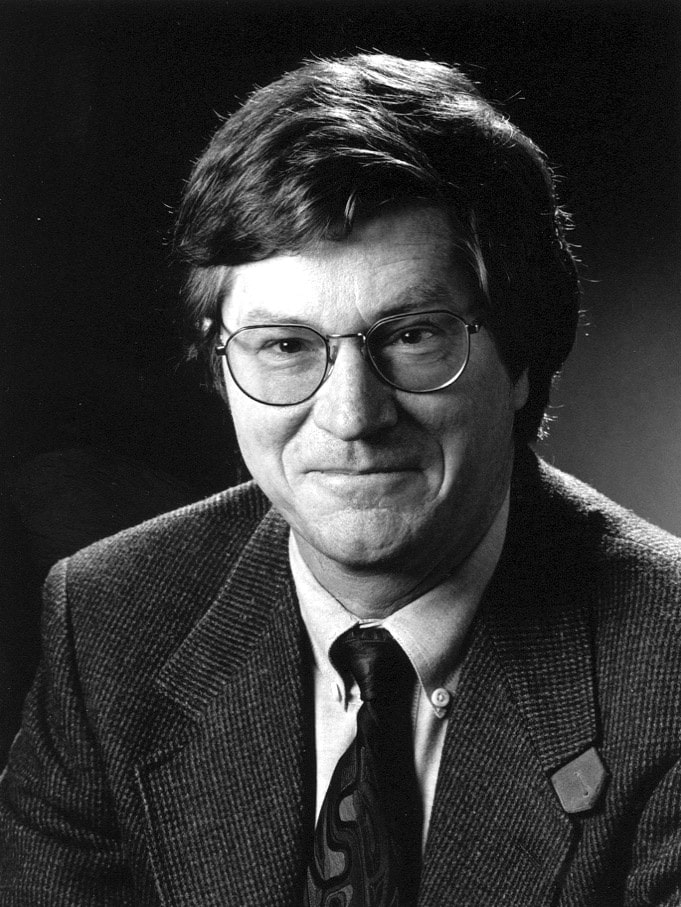
Duncan Lindsey, who founded one of the seminal research periodicals on children and the systems that serve them, has passed away at the age of 77.
“Not only a brilliant scholar and trailblazer in the field of child welfare, Duncan was one of the kindest and most generous people I have ever known,” said Sacha Klein, a professor and researcher at the Michigan State University School of Social Work, in a social media post noting his passing. “He was deeply committed to transforming the U.S. child welfare system into one that truly supports struggling families, not just a system for blaming and policing low income parents.”
Lindsey conceived of Children and Youth Services Review in 1978, and began to publish with Pergamon Press the next year. In 1991, the publication was acquired by Elsevier. Lindsey served as its sole editor-in-chief for more than four decades until 2020.
Children and Youth Services Review began as a quarterly compendium on critical subjects like child welfare, behavioral health and family poverty. The review bumped up to six issues a year in 1991 and has more recently been published on a monthly schedule.
In a tribute to Lindsey published on the Child Welfare League of America’s website, the publication’s current team of editors paid homage to what they described as a “consequential legacy,” sharing:
“Amidst a foreboding and contentious socio-political climate that he knew had been brewing for decades and foreshadowed long ago, Duncan remained a primary discussant and moderator of the conversation, long before many dared to confront the etiology of the problems that the child protection system is deemed suitable to address.
Eons ago, during what one would now characterize as a muted contentious sociopolitical environment, Duncan urged policy changes that reconsidered the mission of the child welfare system, questioning state harm to children, as he and editorial leadership highlighted the long- term deleterious consequences of children being separated from their immigrant families. Past remains prologue and the conversation continues, as do the consequences.”