A selection of The Imprint’s most impactful stories from the past year
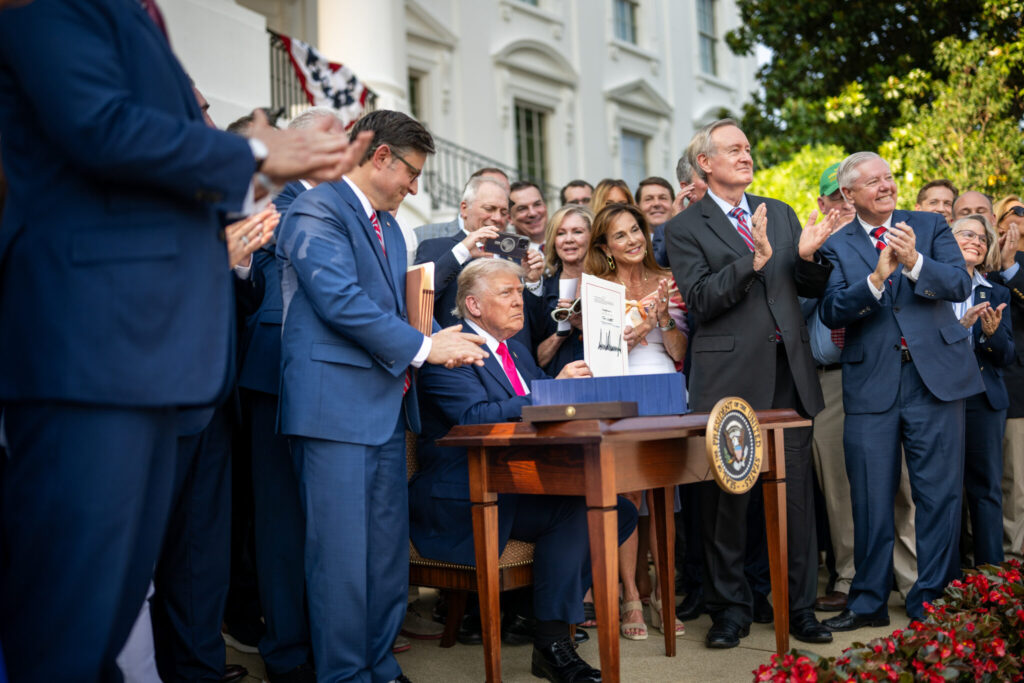
On July 4, President Trump signed into law the so-called Big Beautiful Bill, a sweeping piece of budgetary legislation that maintained the president’s first-term tax cuts and greatly increased federal spending on immigration enforcement activities.
To pay for those aims, it also made significant changes to major social safety net programs, chief among them Medicaid and the Supplemental Nutrition Assistance Program, better known as SNAP or food stamps. Both programs will now include work requirements for certain people. And while former foster youth are still categorically eligible for Medicaid through age 26, an attempt to exempt former foster youth from SNAP work requirements did not make it into the bill.
The impact of these changes to families and to child welfare systems will not be immediate, but there is great concern that the shifts in both programs risk a rise in family crises.
“The work requirements don’t account for the realities of parenting in poverty,” Mike Leach, who previously led South Carolina’s Department of Social Services, told The Imprint. With a shortage of affordable child care and reliable transportation, “stripping Medicaid for non-compliance could be devastating,” he added.
For more coverage like this, visit our White House Watch page.
EVERY DAY, our nonprofit newsroom seeks to inform readers about issues in the child welfare and youth justice systems and to hold the powerful accountable. This work is not possible without the support of community members like you. Donate today!