
Improving the mental health response for foster youth

The Imprint is highlighting each of the policy recommendations made this summer by the participants of the Foster Youth Internship Program, a group of seven former foster youth who have completed congressional internships.
The program is overseen each summer by the Congressional Coalition on Adoption Institute, a Washington, D.C.-based nonprofit that raises awareness about the needs of children without families. Each of the participants crafted a policy recommendation during their time in Washington, D.C.
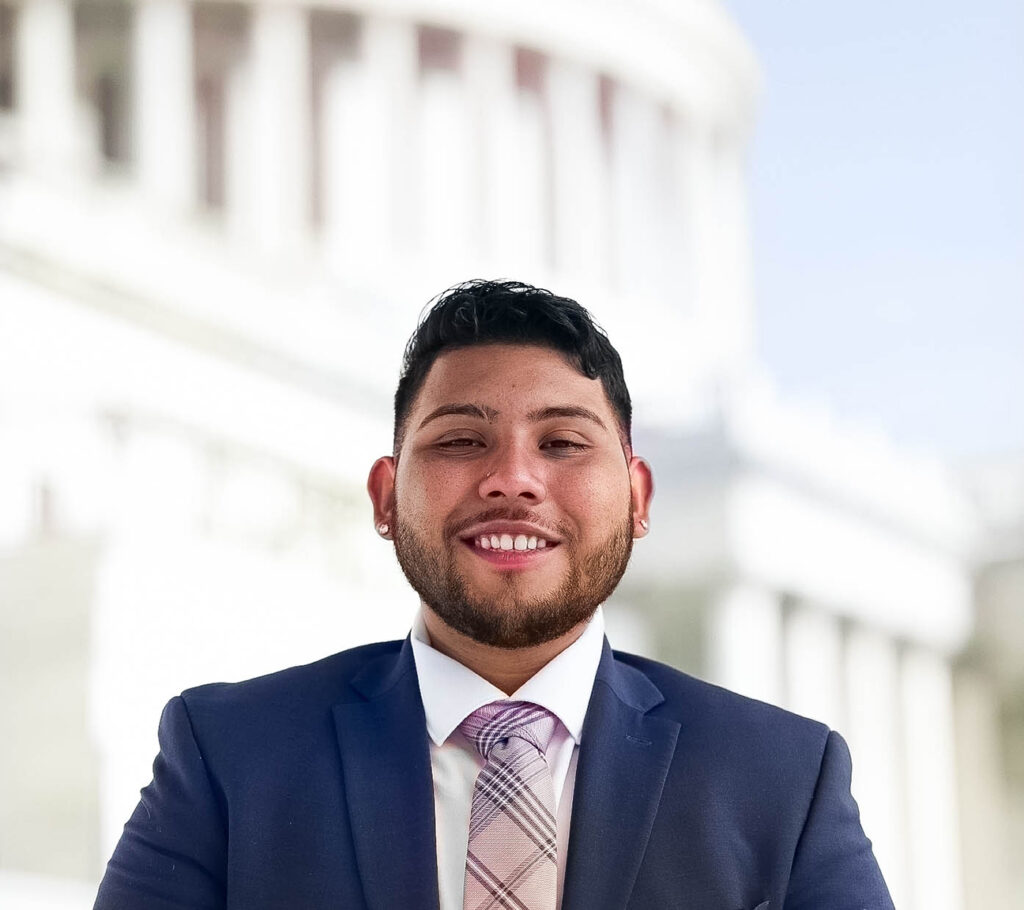
Today we highlight the recommendation from Angulina Wilson, 20, a student at the University of South Florida.
The Proposal
Wilson would have Congress pass legislation requiring periodic health check-ins on youth in foster care, along with increased federal investments in trauma-informed providers available to youth in the system.
The Argument
Foster youth are at increased risk of experiencing mental health challenges, Wilson writes, citing 2017 research. And while only three-tenths of 1% of child maltreatment cases are attributed to foster parents, she argues, the likelihood is that abuse and neglect occur far more often in those homes than is reported.
In Their Own Words
“Over the past few years, I have been uncovering and unpacking my trauma, and am committed to making sure that my experiences do not happen to other young people. As I look back, I believe that this abuse could have been prevented if there had been different and more effective policies and support in place.”
The Imprint’s Take
Wilson does not define “regular” in terms of the frequency with which mental/wellness checks would occur, but it sure seems reasonable that twice a year, someone not involved in the everyday machinations of a foster youth’s case was checking in on them. It’s like a more proactive surveillance approach as compared to a youth ombuds office.
Wilson’s idea of upping the number of mental health providers who both take Medicaid and are trained on the needs of youth in foster care or adoptive homes is spot on. The question is how to make that happen? There is now a free training around core competency through the Center for Adoption Support and Education. As for the Medicaid aspect, perhaps some kind of tax benefit for professionals who accept Medicaid in cases with foster youth?